







What's Happening?
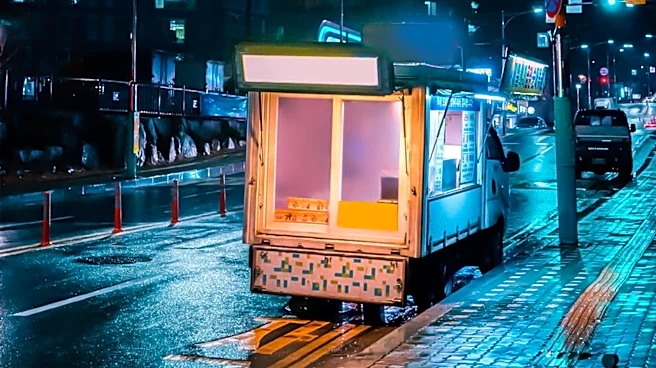
In Long Beach, California Food Trucks, owned by Martin Ramirez, has become a pivotal player in the food truck industry. Over the past 15 years, Ramirez has built a reputation for crafting custom food trucks from scratch in an industrial building on Anaheim
Street. His work supports both local businesses and major corporations, including high-profile clients like Google and Monster Energy. The facility offers a comprehensive range of services, from plumbing to electrical work, transforming commercial vehicles into fully functional mobile kitchens. This niche manufacturing business caters to chefs and restaurateurs looking to test new concepts or serve at events like music festivals and farmers markets. The food truck industry has seen growth as the costs of starting traditional restaurants rise, making mobile kitchens a more viable option for many entrepreneurs.
Why It's Important?
The rise of food trucks as a business model reflects broader economic trends, particularly the increasing costs associated with opening brick-and-mortar restaurants. Food trucks offer a lower-risk entry point into the culinary industry, allowing entrepreneurs to test concepts with less financial commitment. This trend supports innovation and diversity in food offerings, as chefs can experiment with new cuisines and reach a wider audience. Additionally, the ability to resell a food truck if a venture does not succeed provides a safety net for business owners. The work of Ramirez and his team not only supports local economies but also contributes to the cultural vibrancy of communities by enabling diverse culinary experiences.
What's Next?
Looking ahead, the food truck industry is likely to continue evolving with technological advancements. Ramirez is already steering clients towards solar-powered batteries instead of traditional generators, highlighting a shift towards more sustainable practices. As the industry grows, there may be increased demand for innovative solutions that enhance the efficiency and sustainability of mobile kitchens. Entrepreneurs entering the market will need to stay informed about these trends to remain competitive. Additionally, as food trucks become more popular, there may be regulatory changes affecting how they operate, which could impact business strategies.
Beyond the Headlines
The food truck industry also raises interesting cultural and social implications. It democratizes access to diverse culinary experiences, allowing people from different backgrounds to share their food traditions. This can foster greater cultural understanding and appreciation within communities. Moreover, the mobility of food trucks enables them to reach underserved areas, potentially addressing food deserts and providing access to fresh, diverse food options. As the industry grows, it may also influence urban planning and the use of public spaces, as cities adapt to accommodate these mobile businesses.