







What's Happening?
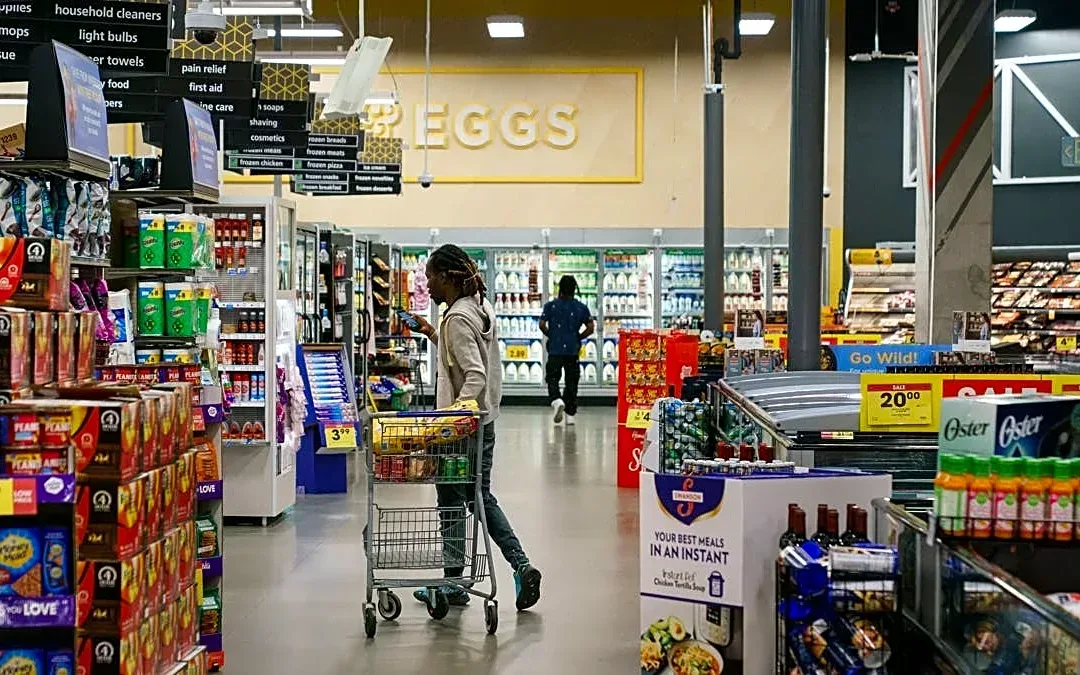
Amazon is in the process of closing an unspecified number of individual grocery partner storefronts on its platform, both in the U.S. and internationally. This strategic decision aims to simplify the e-commerce shopping experience for customers and reduce
friction, according to an Amazon spokesperson. The company plans to transition away from these individual storefronts and instead guide shoppers to other available grocery options on its marketplace. While Amazon is moving away from acting as a third-party e-commerce partner for various grocers, it is simultaneously intensifying its own online grocery operations, particularly focusing on same-day perishables delivery. This transition will impact a limited number of jobs across the company, and Amazon is supporting affected employees by helping them find new internal roles.
Why It's Important?
This move by Amazon signifies a significant restructuring of its online grocery strategy, impacting both consumers and its grocery partners. By consolidating its offerings and moving away from individual partner storefronts, Amazon aims to create a more unified and less complex shopping journey for its customers. This could lead to a more streamlined experience, but it also means that some smaller or regional grocery partners may lose a significant online sales channel. For Amazon, the focus on its own online grocery operations, especially same-day delivery, indicates a commitment to dominating the e-commerce grocery sector directly. This shift could intensify competition in the online grocery market, potentially benefiting consumers through improved services and delivery options, but also posing challenges for traditional grocers trying to compete with Amazon's scale and logistics capabilities.
What's Next?
Amazon will alert shoppers in advance of any changes to their shopping experience and will direct them to alternative grocery shopping methods available on its platform. The company has not specified which grocery partners will be affected by this change. Going forward, Amazon plans to collaborate with grocery partners through other services, such as hosting Amazon Lockers and return points in physical stores, co-locating Amazon operations with their stores or warehouses, and utilizing AWS cloud infrastructure for their e-commerce and data analytics. This indicates a pivot towards a more integrated, behind-the-scenes partnership model rather than direct storefront competition. Amazon also plans to expand its same-day fresh grocery delivery services into more regions across Japan and the U.K., and enter additional countries in the coming months, further solidifying its global online grocery presence.
Beyond the Headlines
Amazon's decision to close grocery partner storefronts reflects a broader trend of major tech companies refining their business models to focus on core strengths and profitability. The initial strategy of hosting multiple third-party grocers likely created a fragmented user experience and logistical complexities. By streamlining its online grocery offerings, Amazon is asserting greater control over the customer journey and brand experience. This could lead to a more curated selection of grocery options directly managed or heavily influenced by Amazon, potentially impacting product diversity and local grocer visibility on its platform. Furthermore, the emphasis on AWS cloud infrastructure for grocery partners highlights Amazon's strategy of leveraging its technological ecosystem to create deeper, more symbiotic relationships with businesses, even as it competes with them in other areas. This dual approach of direct competition and infrastructure provision is a hallmark of Amazon's expansive business model.