









What's Happening?
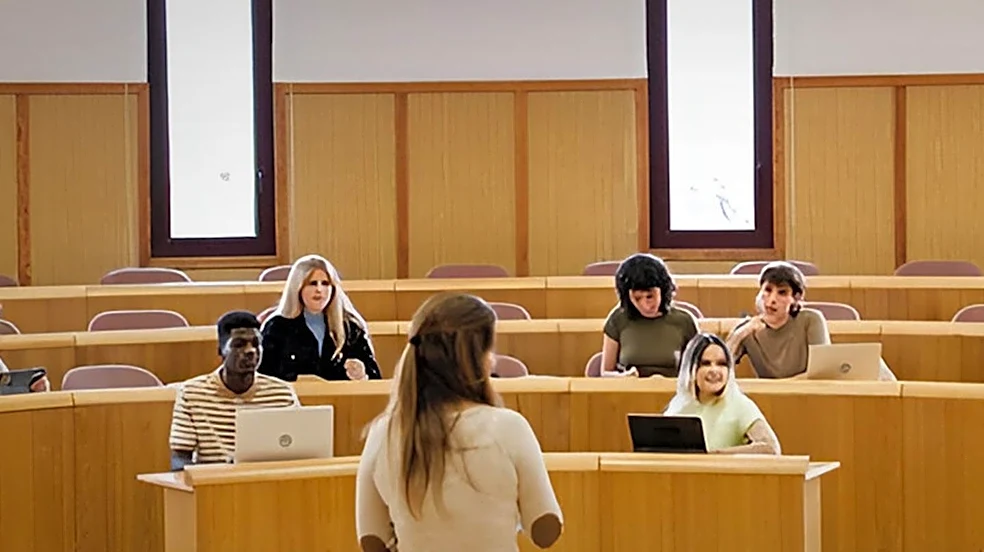
College students are grappling with the complex task of balancing academic demands, social expectations, and personal mental health. The pressure to excel in classes, maintain friendships, participate in extracurriculars, and manage personal growth often
leads to feelings of overwhelm and burnout. Students frequently feel guilty when prioritizing one area over another, such as choosing to study over social plans or resting instead of being productive. Academic stress significantly impacts mental well-being, contributing to anxiety, poor sleep, and difficulty focusing. The constant connectivity through digital devices and social media further exacerbates these pressures, making it challenging for students to find time for rest and self-care. Therapy specifically for college students is highlighted as a resource to help navigate these challenges.
Why It's Important?
The struggle college students face in balancing various life demands has significant implications for their academic success, personal development, and long-term mental health. Unmanaged stress and burnout can lead to decreased academic performance, strained relationships, and the development or exacerbation of mental health conditions. This issue affects a large demographic of young adults in the U.S., impacting their ability to thrive during a critical period of growth and transition. The lack of balance can hinder their ability to develop healthy coping mechanisms and self-care practices, which are essential for future well-being. Addressing these challenges is crucial for fostering a supportive educational environment that prioritizes student holistic health, ultimately contributing to a more resilient and productive future workforce.
What's Next?
As awareness of these challenges grows, universities and mental health professionals are likely to increase their efforts to support college students. This may include expanding access to specialized therapy services, implementing more comprehensive wellness programs on campuses, and promoting educational initiatives on stress management and boundary setting. There may also be a greater emphasis on fostering a campus culture that normalizes rest and self-care, reducing the pressure to constantly be productive. Technology could play a role in developing tools and resources to help students manage their time and mental well-being more effectively. Continued research into the specific stressors faced by college students will also inform future interventions and support systems.
Beyond the Headlines
The struggle of college students to balance academics, social life, and mental health points to deeper societal issues regarding expectations of productivity and success. Culturally, there's often an unspoken pressure for young adults to constantly strive for more, leading to a neglect of personal well-being. Ethically, institutions have a responsibility to create environments that support student health, not just academic achievement. This situation also highlights the pervasive impact of digital technology on mental health, as constant connectivity blurs the lines between personal time and social obligations. Long-term, if these issues are not adequately addressed, there could be a generation of young adults entering the workforce already experiencing burnout, impacting overall societal well-being and productivity. This calls for a re-evaluation of educational models and societal values placed on achievement versus well-being.