





What's Happening?
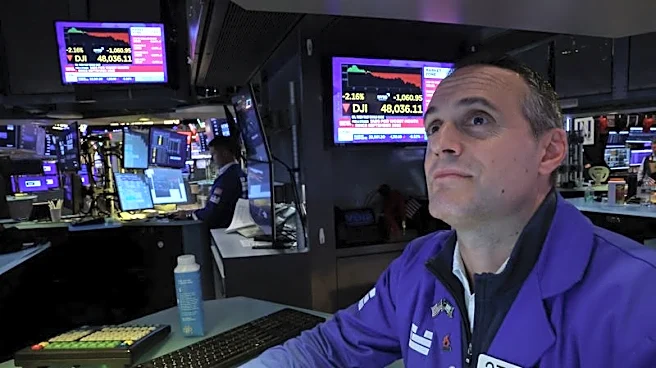
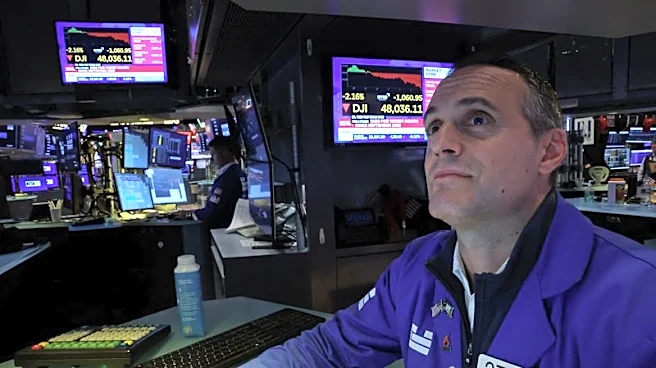
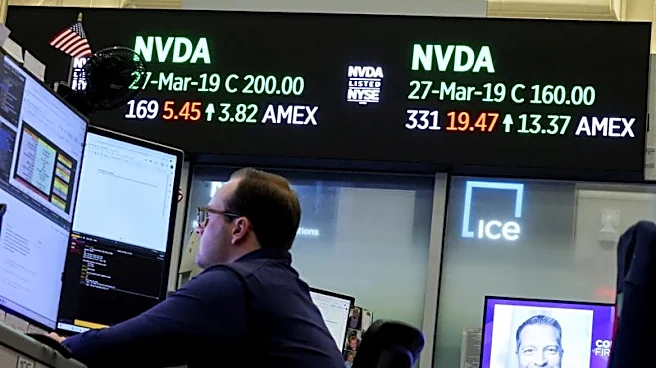
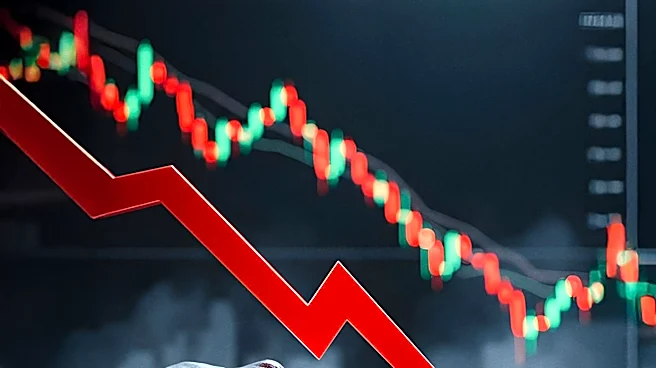
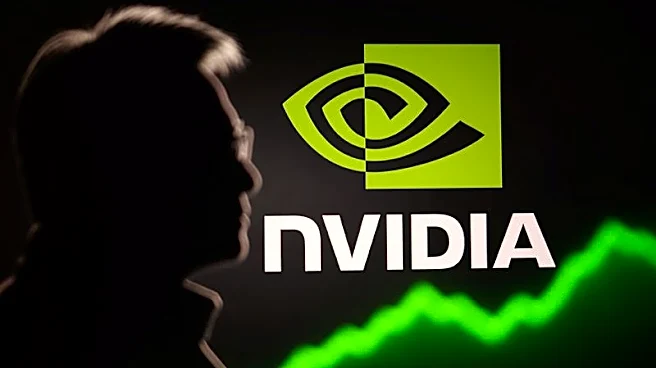
The technology sector experienced a continued selloff on Wednesday, as the market rally that followed Jensen Huang’s return to Nvidia quickly dissipated. An analyst noted that while a CEO can return, the market's underlying sentiment, or 'vibe,' did not recover.
This downturn saw credit default swaps for major tech companies, including Nvidia, Alphabet, Oracle, and SpaceX, reach unprecedented highs. Furthermore, swaps on CoreWeave’s debt indicated a more than 70% probability of default within the next five years, intensifying concerns surrounding highly leveraged 'neocloud' companies. Semafor’s Liz Hoffman commented on Monday’s rally, describing it as a significant, single-day value creation that investors would likely forget as they re-evaluated their initial discontent.
Why It's Important?
This extended tech selloff is significant for the U.S. economy and financial markets, particularly given the high valuations and substantial investments in AI and cloud computing. The rising credit default swaps for prominent tech firms signal increasing investor apprehension about their financial stability and future performance. A potential default by a company like CoreWeave, or similar highly leveraged neoclouds, could trigger broader instability within the tech sector and potentially impact the wider financial system. The fading rally after a major CEO's return suggests that market confidence is fragile and that underlying concerns about profitability and sustainable growth in the AI and cloud space are outweighing positive news. This situation could lead to a re-evaluation of investment strategies and a more cautious approach to tech stocks, affecting institutional and individual investors alike.
Beyond the Headlines
The current market dynamics highlight a deeper tension between the rapid innovation in AI and cloud technologies and the financial sustainability of companies driving this growth. The 'neocloud' phenomenon, characterized by significant capital expenditure and high leverage, presents a potential systemic risk if revenue generation does not keep pace with investment. This situation could lead to a re-assessment of how 'value' is created and sustained in the tech industry, moving beyond speculative growth to demand more tangible returns. The analyst's comment about 'not the vibe' suggests a psychological component to market movements, where investor sentiment, rather than just fundamentals, plays a crucial role in shaping outcomes. This could prompt a shift towards more conservative investment practices and a greater emphasis on profitability over sheer market capitalization in the tech sector.