




What's Happening?
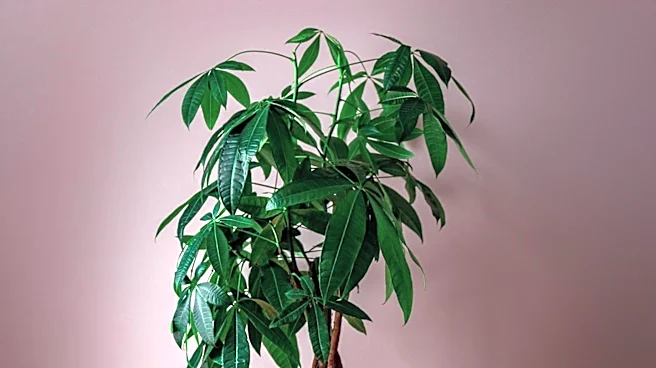
Feng shui, the ancient Chinese practice of harmonizing individuals with their environment, utilizes the Money Tree (Pachira aquatica) as a significant symbol for attracting wealth, good luck, and positive energy. The plant's symbolism is rooted in its
five-leaflet clusters, representing the five elements (Wood, Water, Fire, Earth, Metal), and its braided trunk, which is believed to trap good fortune. Specific placement within a home or office is crucial according to feng shui principles. The most recommended location is the southeast corner, known as the 'wealth corner,' to stimulate financial growth. Placing it near the main entrance, without blocking the doorway, is thought to welcome new opportunities. On an office desk, particularly to the left of a monitor, it is believed to support financial decision-making and career growth. Conversely, certain placements are considered inauspicious, such as bathrooms (where wealth is symbolically drained), dark corners (symbolizing declining fortunes), and near sharp objects or high-traffic areas that disrupt 'chi' flow.
Why It's Important?
The integration of Money Trees into U.S. homes and businesses, guided by feng shui principles, reflects a growing interest in holistic approaches to well-being and prosperity. For individuals, adopting these practices can offer a sense of control and intention regarding their financial and personal environments. For businesses, particularly those with East Asian clientele or cultural ties, incorporating feng shui elements like the Money Tree can be a gesture of cultural respect and a way to create an inviting atmosphere that aligns with traditional beliefs about success and harmony. While the direct impact of a plant's placement on financial outcomes is a matter of belief, the act of consciously arranging one's space can foster a more positive mindset and encourage a proactive approach to personal and professional goals. The emphasis on a healthy, vibrant plant also subtly encourages good plant care, which can contribute to a more pleasant and aesthetically pleasing environment.
What's Next?
Individuals and businesses interested in feng shui may continue to explore the strategic placement of Money Trees and other auspicious items to enhance their environments. This could lead to increased demand for feng shui consultations and products, as well as a greater awareness of the cultural significance behind such practices. The emphasis on maintaining a healthy plant suggests that proper horticultural care will remain an important aspect of these practices. As cultural exchange continues, the adoption of feng shui principles in interior design and business settings in the U.S. is likely to evolve, potentially leading to more nuanced interpretations and applications that blend traditional beliefs with modern aesthetics and practical considerations. The gifting tradition of Money Trees for new ventures or homes is also likely to persist, reinforcing its symbolic role in celebrating new beginnings and wishing prosperity.
Beyond the Headlines
The symbolism of the Money Tree and its placement within feng shui extends beyond mere decoration, touching upon deeper human desires for abundance, stability, and harmony. The practice offers a structured way to interact with one's environment, imbuing everyday spaces with meaning and intention. This engagement can provide psychological benefits, such as reducing stress and fostering a sense of well-being, by creating an environment that feels supportive and conducive to growth. The cultural narrative surrounding the Money Tree, from its origins in Taiwan to its global popularity, highlights how symbols of prosperity can transcend geographical boundaries and become integrated into diverse cultural contexts. This phenomenon underscores the universal human quest for good fortune and the various ways cultures develop practices to manifest these aspirations, blending practical considerations with spiritual or philosophical beliefs to create a sense of order and purpose in their surroundings.