



What's Happening?
American model and DJ Shaun Ross has voiced concerns regarding the current state of fashion week parties, asserting that they are often poorly curated due to an excessive focus on metrics and viral content. With two decades of experience in the fashion industry,
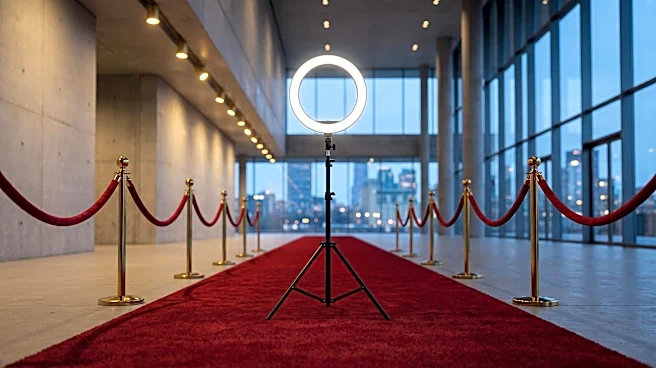
Ross observes that attendees are increasingly prioritizing staging 'perfect moments' for social media, equipped with ring lights, cameras, and photographers, rather than genuinely experiencing the events. He suggests that this shift detracts from the authentic enjoyment and purpose of these gatherings. Vogue Business has also highlighted this trend, noting that while parties are integral to fashion week and brand marketing, their execution is becoming more challenging, with some suggesting they are easier to get wrong.
Why It's Important?
Shaun Ross's critique of fashion week parties highlights a significant cultural and commercial shift within the fashion industry. The overemphasis on generating viral content and metrics, as opposed to fostering genuine experiences, can dilute the artistic and networking value of these events. This trend reflects a broader societal concern about the impact of social media on authentic human interaction and the commodification of experiences. For brands, this focus on digital virality might lead to short-term gains in visibility but could undermine long-term brand loyalty and genuine connection with their audience. It also raises questions about the sustainability of such marketing strategies, as consumers may eventually tire of inauthentic, staged content. The industry risks losing its creative edge and community spirit if the pursuit of online metrics overshadows the creation of meaningful, memorable events.
What's Next?
The observations by Shaun Ross and Vogue Business suggest a potential re-evaluation within the fashion industry regarding the purpose and execution of fashion week parties. Brands and event organizers may need to consider strategies that balance digital visibility with authentic engagement to create more meaningful experiences for attendees. This could involve designing events that encourage genuine interaction and creativity, rather than just photo opportunities. There might be a push towards more intimate gatherings or innovative formats that prioritize the 'living the perfect moment' aspect Ross advocates. Industry leaders could also explore ways to measure success beyond viral content, focusing on qualitative feedback and the depth of connections made. This shift could lead to a more sustainable and creatively fulfilling environment for fashion professionals and enthusiasts alike, moving away from the current 'overreliance on metrics.'
Beyond the Headlines
Shaun Ross's comments delve into the deeper implications of the digital age on cultural events, particularly in the high-stakes world of fashion. The phenomenon he describes—where the act of documenting an experience supersedes the experience itself—is a pervasive issue across various sectors, from tourism to social gatherings. This 'performance culture' driven by social media metrics can lead to a superficial engagement with art, culture, and even personal relationships. In the context of fashion, it risks transforming creative expression into mere content production, potentially stifling innovation and genuine artistic dialogue. The ethical dimension arises from the pressure on individuals and brands to constantly perform for an online audience, blurring the lines between personal and public, and potentially impacting mental well-being. This trend also highlights a broader societal challenge: how to navigate the digital landscape in a way that enhances, rather than diminishes, authentic human experiences and creative endeavors.