






What's Happening?
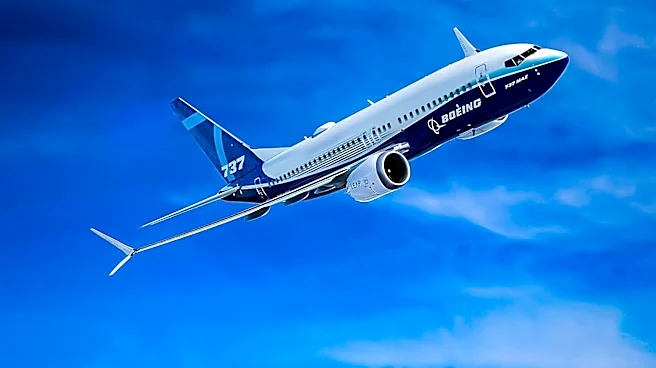
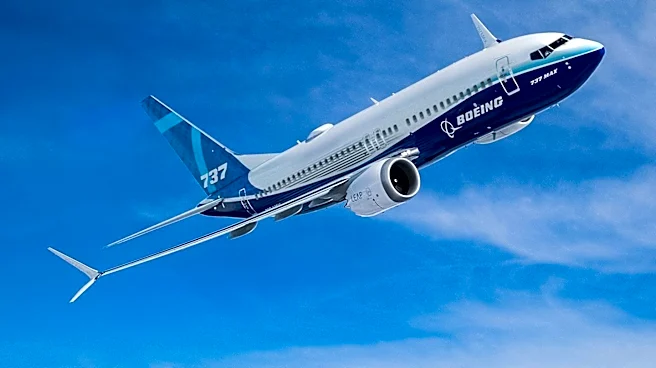
Boeing CEO Kelly Ortberg has acknowledged that the company will not meet its production and delivery targets for the 737 Max aircraft in 2026. The primary reason for this shortfall is ongoing manufacturing problems, specifically with the production of
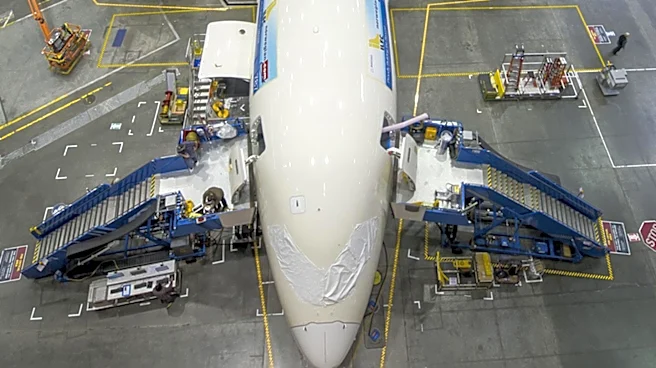
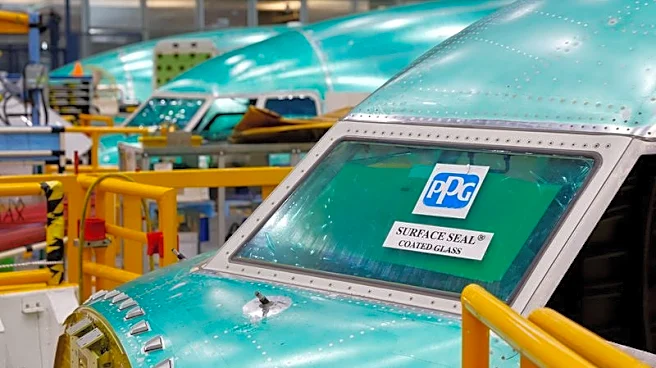
wings for the 737 Max. Boeing had initially aimed to increase its monthly production rate from 42 to 47 aircraft by summer 2026, but this target has been pushed back to early 2027. Ortberg also admitted to financial analysts that previously implemented process improvements, intended to enhance material flow and reduce lead times, have not yielded the anticipated savings or efficiency gains. Chief Financial Officer Jay Malave confirmed that the company would fall short of its original goal of delivering 500 737 aircraft this year, though the exact deficit was not specified. This delay in wing production is creating a bottleneck in the final assembly process at the Renton plant in Washington state.
Why It's Important?
This development is significant for Boeing and the broader aerospace industry. The 737 Max is Boeing's most crucial revenue generator, and delays in its production directly impact the company's financial performance and market standing. The inability to meet production targets, despite a substantial order backlog of approximately $745 billion, highlights persistent operational challenges within Boeing's manufacturing processes and supply chain. This situation could lead to increased scrutiny from investors and customers, potentially affecting future orders and the company's competitive position against rivals. Furthermore, the slowdown in production affects Boeing's extensive network of external suppliers, who had scaled their operations based on earlier, more ambitious production forecasts. The admission that process improvements have not delivered expected gains raises questions about the effectiveness of Boeing's internal strategies for enhancing efficiency and stability.
What's Next?
Boeing's revised production plan now targets a monthly rate of 47 aircraft for early 2027, with the next increase to 52 aircraft per month not expected until the second half of 2027, contingent on stable production at the lower level. The company's management has indicated that the employment situation across all locations of the commercial aircraft division is under review, and layoffs are being implemented. These reductions are targeted at specific areas rather than being across-the-board. The timing of these layoffs, shortly after a new collective bargaining agreement, has created tension with unions. The long-term stability of wing production and the overall effectiveness of Boeing's operational adjustments will be closely watched, particularly with the release of the annual financial statements for the fourth quarter of 2026.
Beyond the Headlines
The ongoing production issues at Boeing, particularly with the 737 Max, point to deeper systemic challenges within the company's manufacturing and supply chain management. The repeated cycle of rapid hiring followed by layoffs, as observed by critical industry observers, could lead to a loss of experienced personnel and institutional knowledge. This erosion of expertise might exacerbate existing quality and stability problems in Boeing's plants, potentially impacting the long-term reliability and safety of its aircraft. The company's struggle to implement effective process improvements suggests a need for a more fundamental re-evaluation of its operational strategies. The strained relationship with unions following the layoffs, despite a recent collective bargaining agreement, could also affect employee morale and productivity, further complicating efforts to stabilize production.