


What's Happening?
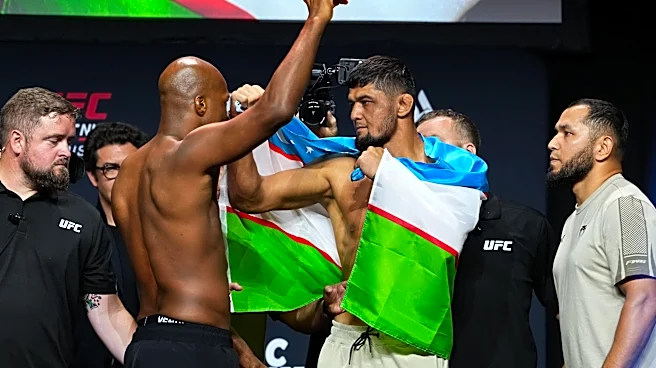
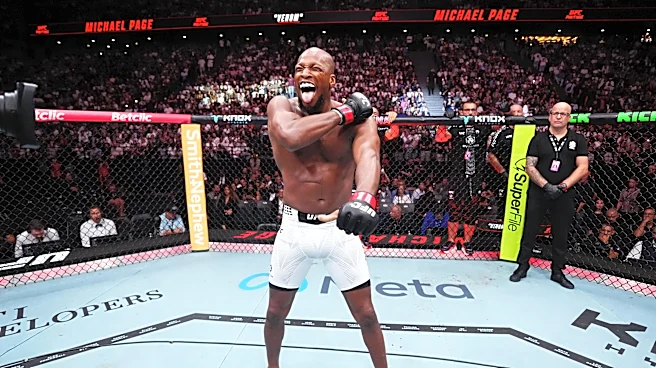
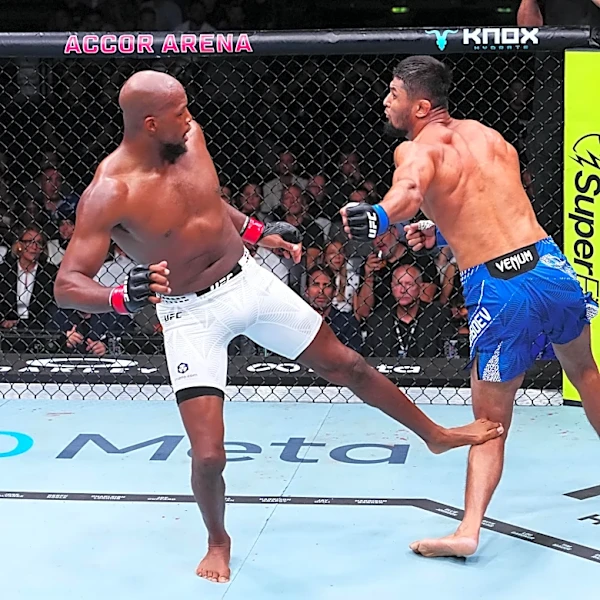
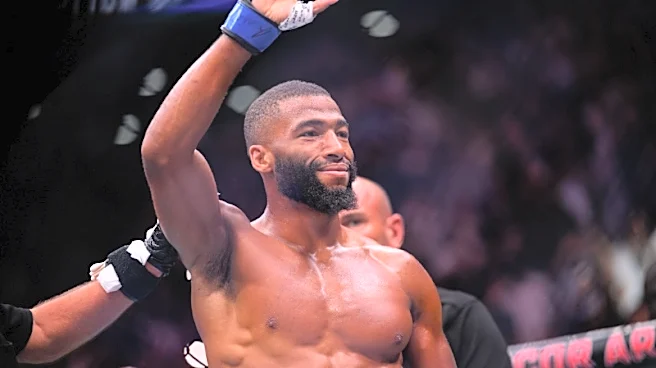
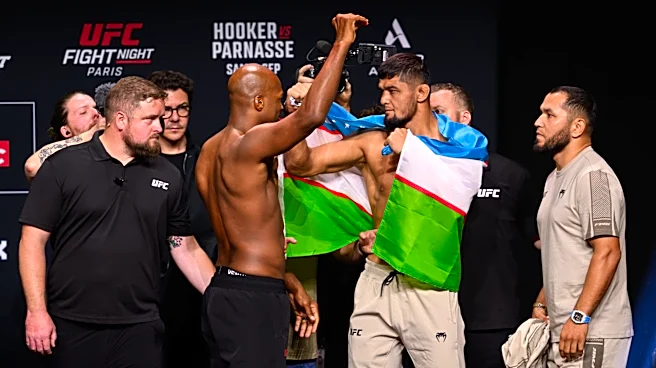
Michael 'Venom' Page has voiced his dissatisfaction with his recent performance at UFC Paris, despite securing a unanimous decision victory against Nursulton Ruziboev. Page, who was competing in the final fight of his current UFC contract, acknowledged
that his outing was 'predictably lackluster' and did not meet his own expectations or satisfy the crowd. He landed only 12 significant strikes over three rounds and failed to put Ruziboev down. Page, who turned 39 in April, has built a reputation for dazzling knockouts and creative fighting, but has not achieved a single finish in his six UFC fights, accumulating a 5-1 record. He admitted to feeling like he's holding back in the cage and needs to push himself more, take more risks, and potentially adapt his style to encourage opponents to come forward. Page stated his intention to have an honest conversation with the UFC, expressing his belief that he can do better and is aspiring to deliver something special for the crowd if given better opponents.
Why It's Important?
Michael 'Venom' Page's comments highlight a critical juncture in his UFC career and the broader dynamics of fighter contracts and performance expectations in mixed martial arts. His self-assessment of a 'boring performance' despite a win underscores the premium placed on entertainment value in combat sports, especially within a promotion like the UFC. For Page, who is now a free agent, his ability to secure a new, favorable contract will depend not only on his win-loss record but also on his capacity to deliver exciting fights that draw fan interest. The UFC, as a major sports organization, constantly evaluates fighters based on their marketability and ability to generate viewership. Page's situation reflects the pressure on athletes to balance strategic fighting with crowd-pleasing action, particularly as they age and their physical prime may be perceived to be waning. His desire for 'better opponents' suggests a belief that higher-stakes fights could motivate more aggressive performances, potentially impacting future matchmaking decisions.
What's Next?
Following the completion of his UFC contract, Michael 'Venom' Page is set to engage in discussions with UFC matchmakers and executives to determine his future with the promotion. The outcome of these conversations will decide whether he signs a new deal or becomes a free agent heading into 2027. Page has indicated he will go 'back to the drawing board' to re-evaluate and potentially adapt his fighting style, testing new approaches in sparring. His goal is to find a way to be more aggressive and deliver more exciting performances for the fans and the UFC. The organization will need to weigh Page's past reputation for exciting fights against his recent performances and his age when considering a new offer. The decision will have implications for Page's career trajectory and could influence the UFC's roster strategy in the middleweight division.
Beyond the Headlines
Michael 'Venom' Page's struggle with delivering exciting performances despite winning raises deeper questions about the evolution of fighting styles and the commercial pressures in professional combat sports. His self-reflection on holding back and wanting to be 'too clean, too just precise' suggests a conflict between technical perfection and the raw, aggressive spectacle often demanded by fans and promoters. This tension is common among fighters who prioritize strategic victories but risk alienating audiences who crave knockouts and high-octane action. The situation also touches upon the psychological aspect of performance, where a fighter's internal expectations and external pressures can influence their approach in the cage. Page's journey to 'doctor his style' could lead to a significant transformation in his fighting identity, potentially impacting how future generations of fighters balance skill with showmanship in the increasingly competitive landscape of mixed martial arts.