



What's Happening?
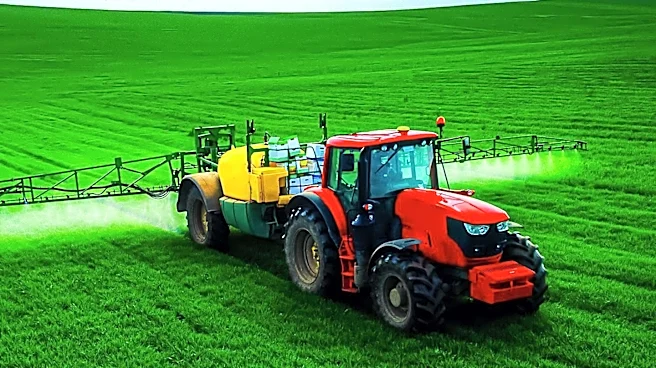
Conserv FS, an agriculture cooperative headquartered in Woodstock, IL, is actively recruiting for an Agronomy Applicator/Service Center Team Member in Waterman, Illinois. This full-time position involves operating commercial sprayers or floaters to apply
crop inputs to producer fields, as well as operating and maintaining single or tandem axle trucks and other equipment. The role requires the individual to perform all job functions in a timely and accurate manner to enhance customer satisfaction and uphold the organization's reputation and profitability. Key responsibilities include applying crop production inputs according to recommended rates and procedures, recording application data, setting up material handling and blending equipment, and performing daily safety checks on vehicles and equipment. The position also entails maintaining, repairing, and servicing location equipment, vehicles, and structures as needed, and potentially collecting soil sample information. Candidates must possess or be able to obtain a CDL license with required endorsements and all necessary pesticide or fertilizer applicator licenses or certifications.
Why It's Important?
This job opening highlights the ongoing demand for skilled labor in the U.S. agricultural sector, particularly in specialized roles like agronomy application. The need for qualified individuals to operate and maintain complex machinery and apply crop inputs is crucial for ensuring efficient and productive farming operations. As agriculture becomes increasingly reliant on precision and technology, roles like the Agronomy Applicator are vital for maximizing crop yields and minimizing environmental impact through precise application of fertilizers and pesticides. The emphasis on maintaining CDL licenses and applicator certifications underscores the regulatory and safety standards within the industry, which are essential for protecting both workers and the environment. The availability of such positions, particularly within established cooperatives like Conserv FS, indicates a stable and essential component of the rural economy, providing employment opportunities and supporting the broader agricultural infrastructure in states like Illinois and Wisconsin.
What's Next?
Conserv FS will continue its recruitment process to fill this critical role, seeking candidates who meet the specified requirements, including a high school diploma or equivalent, 0-2 years of related work experience, and the ability to obtain necessary licenses and certifications. The cooperative emphasizes a comprehensive benefits package, including a fully funded pension, medical, dental, vision, and life insurance, along with paid time off and a 401(k) plan with company matching. This robust offering is designed to attract and retain talent in a competitive labor market. Successful applicants will undergo a background check, drug test, motor vehicle report, and reference check. The ongoing need for such roles suggests that agricultural cooperatives will continue to invest in their workforce to support the evolving demands of modern farming, ensuring the delivery of high-quality products and services to their patrons.
Beyond the Headlines
The demand for specialized agricultural roles like Agronomy Applicator reflects a broader trend in the U.S. agricultural industry towards increased professionalization and technological integration. As farming practices become more sophisticated, the skill sets required for agricultural jobs are also evolving, moving beyond traditional manual labor to include technical expertise in machinery operation, data recording, and regulatory compliance. This shift has implications for agricultural education and training programs, which must adapt to prepare a workforce capable of meeting these new demands. Furthermore, the cooperative model, exemplified by Conserv FS, plays a significant role in supporting local economies and providing stable employment in rural areas. These cooperatives often serve as hubs for innovation and resource sharing, helping farmers adopt new technologies and practices. The long-term health of the agricultural sector depends not only on technological advancements but also on a skilled and dedicated workforce capable of implementing these innovations effectively.