






What's Happening?
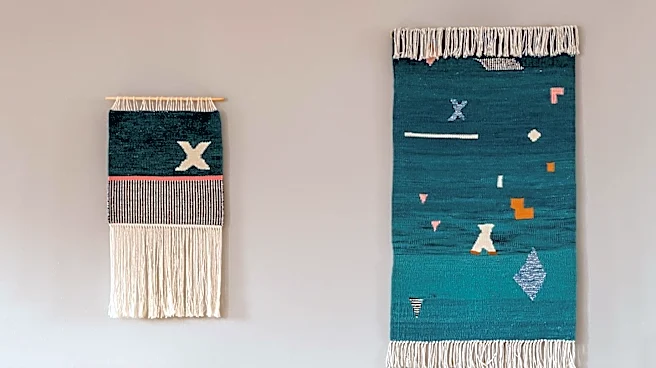
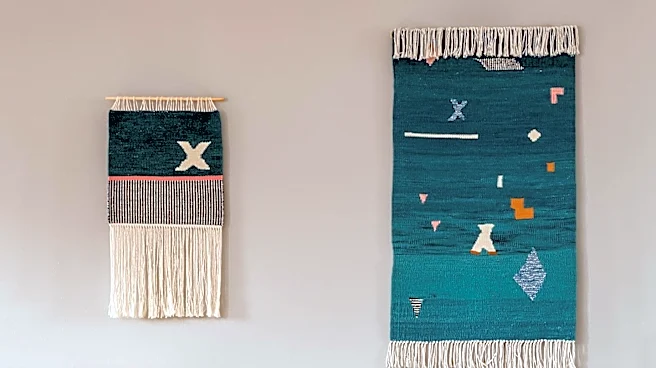
Tapestries are experiencing a significant revival as decorative art, moving beyond their historical function of insulating buildings to become prominent features in modern interior design. This resurgence is fueled by a growing appreciation for handmade
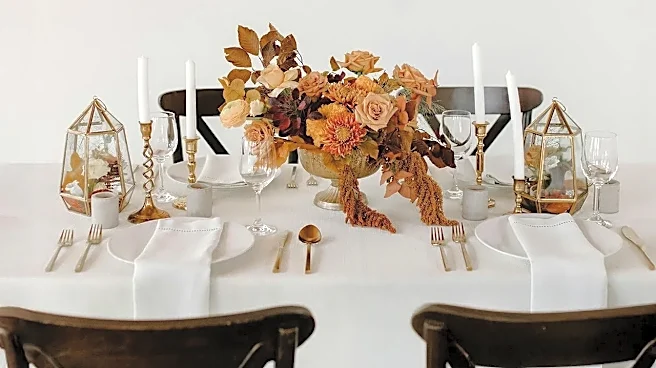
textiles and a desire for unique, character-rich pieces. Artists like Andrew Pierce Scott and Oscar Crabb are contributing to this trend by creating textile tablescapes and hand-sewn pieces using recycled fabrics and plant-based pigments, emphasizing materiality and human touch. Art consultancies and design shops, such as FELT and Spazio Leone, are actively promoting contemporary textile artists who draw inspiration from historical styles and diverse cultural traditions, making them relevant for modern interiors. The trend highlights a shift towards craft-led interior design, where the imperfections and unique qualities of handmade items are highly valued, offering warmth, softness, and a strong presence in a room.
Why It's Important?
This trend signifies a broader cultural shift in consumer preferences within the U.S. interior design and art markets. The renewed interest in tapestries and handmade textiles reflects a move away from mass-produced items towards artisanal crafts that offer individuality and a connection to traditional techniques. This creates opportunities for textile artists, designers, and galleries specializing in unique, handcrafted pieces, potentially boosting a niche segment of the art and design economy. For consumers, it offers alternatives to conventional wall art, allowing for more personalized and textured living spaces. The emphasis on sustainability, with artists using second-hand fabrics and natural dyes, also aligns with growing environmental consciousness, influencing purchasing decisions and promoting eco-friendly practices within the design industry. This movement could also inspire a new generation of artisans and foster a greater appreciation for textile arts.
What's Next?
The continued growth of this trend is likely to see more collaborations between textile artists and interior designers, leading to innovative applications of tapestries in residential and commercial spaces. Retail platforms like Vinterior, Etsy, and eBay are expected to see increased demand for vintage and contemporary textile art, making it more accessible to a wider audience. Educational institutions and workshops may also experience a rise in interest for textile arts and weaving classes, as more individuals seek to engage with handmade crafts. Furthermore, the integration of textiles into various home decor elements, such as lampshades, room dividers, and headboards, suggests a diversification of how tapestries are incorporated into living environments. This could lead to a sustained presence of textile art in mainstream design, evolving beyond a temporary trend.
Beyond the Headlines
The resurgence of tapestries touches upon deeper societal values, reflecting a yearning for authenticity and a connection to human craftsmanship in an increasingly digital world. It challenges the dominance of minimalist aesthetics by reintroducing rich textures, colors, and storytelling elements into living spaces. Ethically, the use of recycled materials and natural dyes promotes sustainable consumption and production practices, encouraging a more conscious approach to home decor. Culturally, it bridges historical art forms with contemporary design, demonstrating how ancient techniques can be reinterpreted to suit modern sensibilities. This movement also highlights the therapeutic and meditative aspects of engaging with handmade objects, both for creators and consumers, fostering a sense of uniqueness and personal expression in home environments.