

What's Happening?
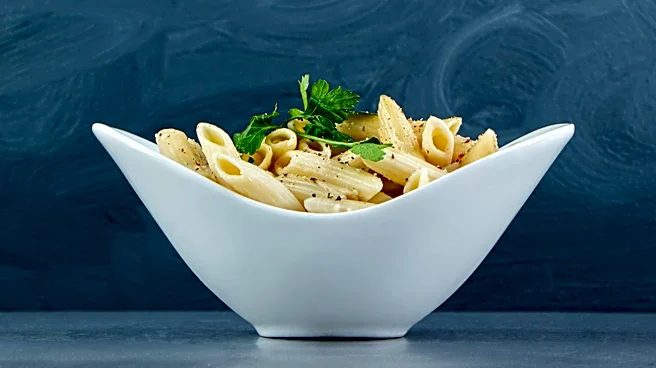
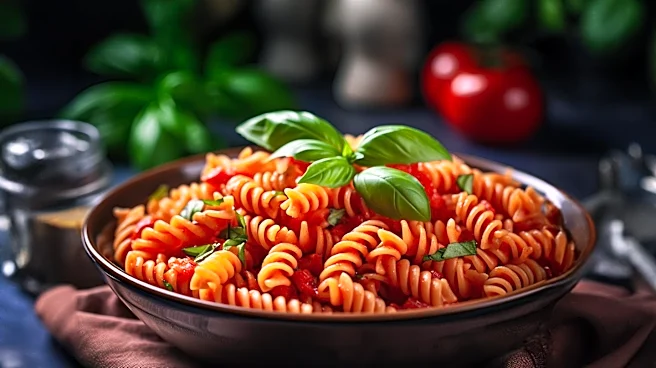
Pasta, a staple in many cuisines, varies widely in shape and ingredients, affecting its culinary use and texture. Traditional dried pasta, such as spaghetti and penne, is typically made from durum wheat semolina and water, shaped through dies and dried.
Italian law mandates that dried pasta sold in Italy must adhere to these ingredients, preserving its traditional quality. Egg pasta, made with softer wheat flour and eggs, offers a tender texture and is popular in northern Italy. The shape of pasta influences how well it holds sauce; ridged and tubular shapes like rigatoni capture hearty sauces, while smoother pasta pairs with lighter sauces. Additionally, alternative pasta varieties made from chickpeas, lentils, and gluten-free grains offer unique flavors and nutritional benefits.
Why It's Important?
Understanding the diversity in pasta shapes and ingredients is crucial for culinary professionals and home cooks alike, as it affects meal preparation and flavor profiles. The choice of pasta can enhance or detract from a dish, making knowledge of these differences valuable for achieving desired culinary outcomes. The rise of alternative pasta options reflects broader dietary trends towards health-conscious and gluten-free eating, impacting consumer choices and market offerings. This diversity also highlights cultural and regional culinary traditions, contributing to the global appreciation of Italian cuisine.