




What's Happening?
Dietitians and health experts are advising the public to cut back on sugary drinks to improve overall health and reduce the risk of cancer. According to Marian Neuhouser from the Fred Hutchinson Cancer Center, sugary drinks are linked to a higher risk of cancer,
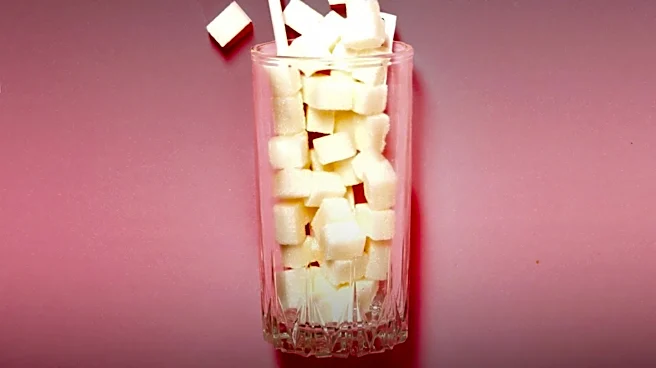
heart disease, and diabetes. Kenny Mendoza from the University of Texas Southwestern Medical Center emphasizes that sugary drinks are more closely associated with cancer risk than other ultra-processed foods, except for processed red meats. The American Heart Association and USDA recommend limiting added sugar intake to 25-50 grams per day, while a typical soda contains about 40 grams. Experts suggest that sugary beverages contribute to health issues like obesity, metabolic syndrome, and tooth decay due to their high sugar content and lack of nutritional value.
Why It's Important?
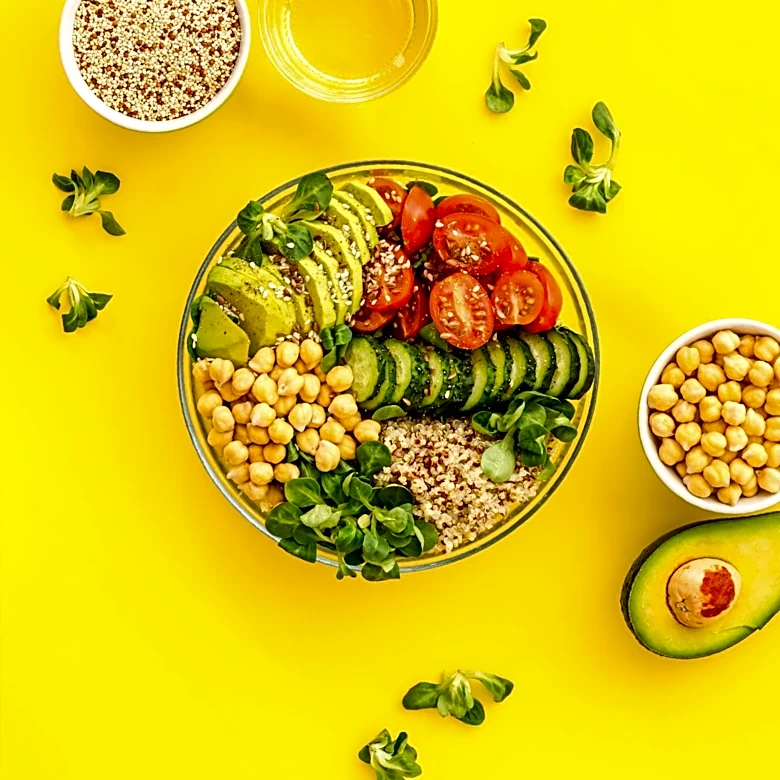
The advice to reduce sugary drink consumption is significant as it addresses a major public health concern. Sugary drinks are a prevalent part of many Americans' diets, contributing to various health issues. By reducing intake, individuals can potentially lower their risk of developing serious conditions such as cancer and heart disease. This guidance also highlights the broader issue of ultra-processed foods in the American diet, encouraging a shift towards healthier alternatives like water, seltzer, and unsweetened coffee or tea. The potential health benefits of reducing sugary drink consumption could lead to decreased healthcare costs and improved quality of life for many individuals.
What's Next?
As awareness of the health risks associated with sugary drinks grows, there may be increased public health campaigns and policy initiatives aimed at reducing consumption. This could include educational programs, changes in labeling requirements, or even taxes on sugary beverages to discourage their purchase. Health professionals may continue to research and provide guidance on healthier dietary choices, while consumers might increasingly seek out alternatives to sugary drinks. The food and beverage industry could also respond by developing and promoting healthier products to meet changing consumer preferences.