



What's Happening?
Current trend forecasting in interior design, particularly for kitchens, is highlighting a strong emphasis on detailed customizations and clever drawer features in high-end cabinetry. According to Livingetc, consumers are increasingly valuing bespoke
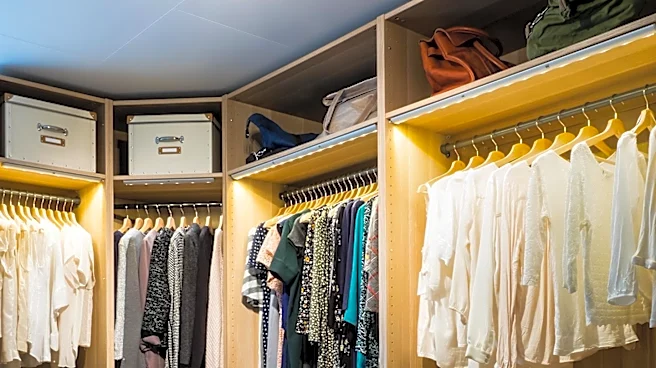
cabinet designs that maximize space and cater to individual needs rather than standard modules. Key trends include the integration of internal drawers, which create multiple layers of organized storage within a single exterior drawer, maintaining a seamless aesthetic. Custom drawer inserts designed specifically for utensils, knives, and other kitchen tools are also gaining popularity, reflecting a desire for personalized and highly functional spaces. Additionally, deep pan drawers and 'habit drawers'—designed around specific rituals like coffee or tea preparation—are becoming sought-after features in luxury kitchens, aiming to reduce everyday frustrations and enhance user experience.
Why It's Important?
This shift in interior design trends signifies a growing consumer demand for personalized, functional, and high-quality home solutions, particularly in the kitchen, which is often considered the heart of the home. For the U.S. cabinetry and home furnishings industry, this trend translates into increased opportunities for custom manufacturers and designers who can offer bespoke solutions. It also suggests a potential decline in demand for mass-produced, one-size-fits-all cabinetry, pushing manufacturers to innovate and offer more customizable options. Homeowners stand to gain from more efficient and aesthetically pleasing kitchens tailored to their lifestyles, potentially increasing home value and satisfaction. However, this trend may also lead to higher costs for kitchen renovations, making luxury features less accessible to budget-conscious consumers. The emphasis on detailed craftsmanship and specialized features could also foster growth in skilled trades related to custom woodworking and design.
What's Next?
The trajectory of these interior design trends suggests continued innovation in kitchen storage and organization. We can anticipate further advancements in smart storage solutions, potentially integrating technology for even greater convenience and personalization. Cabinet manufacturers and designers will likely invest more in research and development to create new materials, finishes, and functional mechanisms that meet evolving consumer demands for luxury and utility. The market may see an increase in collaborations between interior designers and custom cabinetmakers to offer integrated, holistic design solutions. Furthermore, as these high-end features become more mainstream, there might be a trickle-down effect, with more affordable versions of customized storage solutions becoming available to a broader market, influencing standard kitchen designs in the coming years.
Beyond the Headlines
Beyond the immediate aesthetic and functional benefits, the trend towards highly customized cabinetry reflects a broader cultural shift towards valuing individuality and efficiency in personal spaces. In an increasingly fast-paced world, consumers seek environments that simplify daily routines and reflect their unique identities. This trend also highlights a growing appreciation for craftsmanship and durability, moving away from disposable consumerism towards investments in long-lasting, high-quality home elements. Ethically, this could encourage more sustainable practices in manufacturing, as bespoke items are often made with greater attention to material sourcing and longevity. Legally, as customization becomes more prevalent, there might be increased demand for clear contractual agreements between clients and designers/manufacturers to ensure precise execution of unique specifications, potentially influencing consumer protection laws in the home improvement sector.