







What's Happening?
Portugal's Atlantic coastline provides a wide range of beach experiences, from the classic sun-and-sea vacations in the Algarve to the wilder, volcanic shores of the Azores. The Algarve, known for its abundant sunshine and diverse beaches, offers options
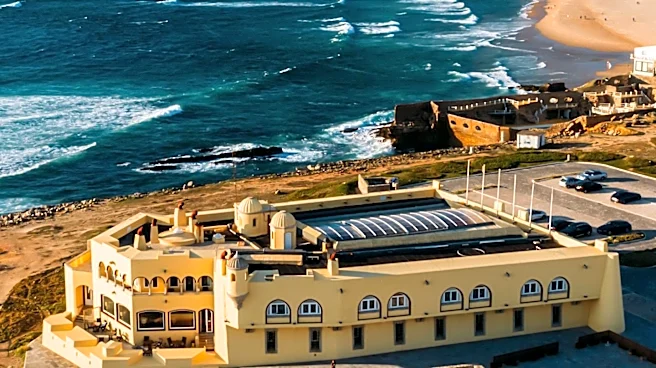
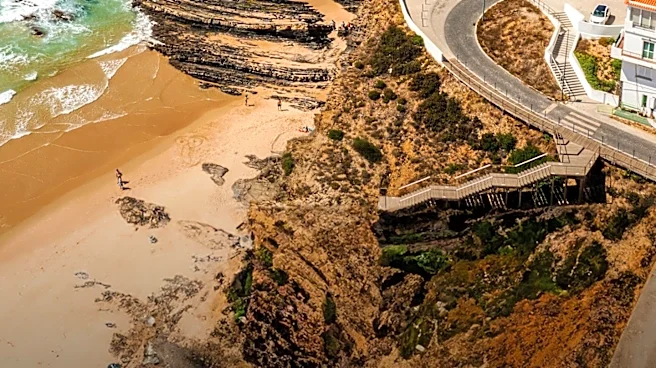
from long sandy stretches to coves framed by cliffs, with popular spots like Praia da Marinha, Albufeira, Vilamoura, and Lagos. Lisbon's proximity to beaches like Cascais and Estoril allows for easy city-and-beach combinations, with Guincho Beach catering to wind sports. The Alentejo coast offers a more rugged, less crowded experience with wide sands and fishing villages, ideal for nature lovers. The Azores, characterized by lush, volcanic landscapes, feature black sand beaches, natural pools, and lava-rock platforms, appealing to active travelers interested in hiking and ocean adventures. Water temperatures, winds, and beach access vary significantly by region, influencing the type of activities suitable for each location.
Why It's Important?
The varied beach offerings in Portugal are significant for U.S. travelers seeking diverse vacation experiences, impacting their travel planning and choices. The ability to combine beach time with cultural city visits or island explorations makes Portugal an attractive destination, potentially increasing tourism from the U.S. The detailed breakdown of regional beach characteristics helps U.S. travel agencies and tour operators tailor packages to specific client needs, from family-friendly resorts in the Algarve to adventurous getaways in the Azores. This specialization can lead to more satisfied customers and repeat business. Furthermore, understanding the nuances of each region, such as the need for a rental car in the Algarve or Azores for optimal exploration, influences logistical planning and can drive demand for specific travel services. The emphasis on thoughtful routing and matching the right coast to travel dates and priorities highlights a growing trend in personalized travel, which U.S. travel companies can leverage to offer more bespoke itineraries.
What's Next?
U.S. travelers planning a beach vacation in Portugal should carefully consider their preferences and the characteristics of each region. For traditional sun-and-sea, the Algarve remains a reliable choice, especially from June to September, though May, June, September, and early October offer a balance of warm weather and fewer crowds. Those seeking a city-and-beach combination can explore Lisbon's nearby coastal areas like Cascais. Adventurous travelers or those preferring a quieter experience might opt for the Alentejo coast or the Azores, where a rental car is often recommended for exploring. It is crucial to research beach access, as some scenic coves require steep descents, while others offer full amenities. Consulting with Portugal travel specialists can help match individual needs with the appropriate region, hotels, and transportation, ensuring a seamless and enjoyable trip. The continued promotion of these diverse coastal options will likely attract a broader range of U.S. tourists to Portugal.
Beyond the Headlines
The detailed segmentation of Portugal's coastline into distinct experiences—from the bustling Algarve to the serene Alentejo and the adventurous Azores—reflects a sophisticated approach to tourism marketing that moves beyond generic beach holidays. This nuanced presentation encourages travelers to consider the broader context of their vacation, integrating beach time with cultural, historical, or natural explorations. For U.S. travelers, this means a richer, more immersive experience that goes beyond simply lounging on the sand. It also highlights the importance of sustainable tourism practices, as different regions cater to different types of visitors, potentially reducing over-tourism in specific hotspots. The emphasis on 'a wider sense of place' suggests a shift towards experiential travel, where the natural beauty, local culture, and unique activities of a region are as important as the beach itself. This trend could influence how U.S. travel media and agencies portray international destinations, focusing on authentic experiences and regional diversity.