






What's Happening?
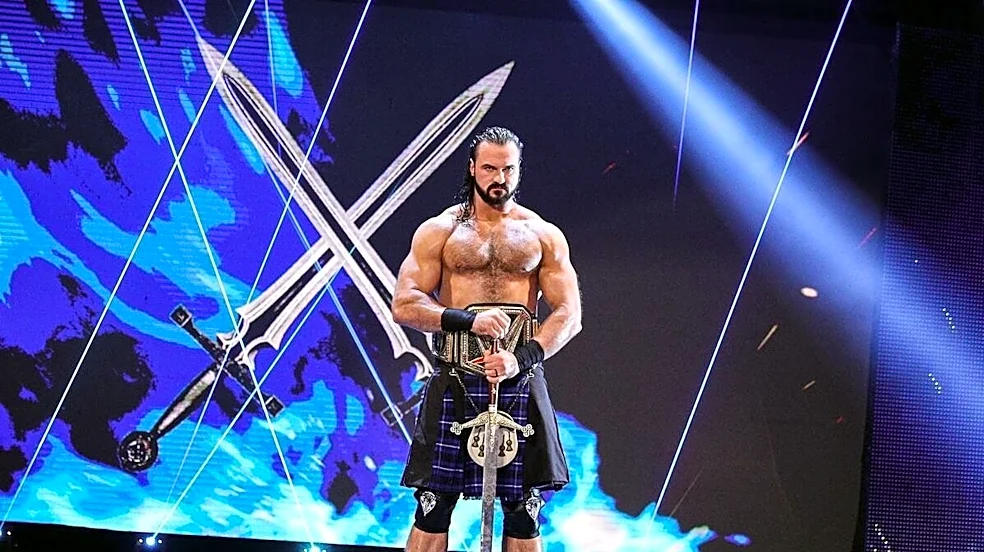
WWE Superstar Drew McIntyre has provided insights into the differing leadership styles of former WWE Chairman Vince McMahon and current head of creative, Triple H. According to McIntyre, McMahon's approach was more 'black and white,' focusing on clear
good guy and bad guy roles, and emphasizing living in the present without dwelling on past storylines. In contrast, Triple H is described as having a more nuanced perspective, embracing 'shades of gray' in character development, which McIntyre finds more reflective of the real world. This shift has allowed for more complex character arcs, such as McIntyre's own transition from a heroic figure during the COVID-19 pandemic to a more ambiguous character who reacts to fan perceptions. McIntyre highlighted that Triple H's openness to real-life complexities has made his recent character development more enjoyable and dynamic.
Why It's Important?
This revelation from Drew McIntyre is important as it sheds light on the internal creative philosophy shifts within WWE, a major entertainment entity. The transition from Vince McMahon's long-standing, often rigid, creative control to Triple H's more flexible approach can significantly impact the storytelling and character development across WWE programming. For fans, this could mean more intricate and relatable narratives, moving away from simplistic hero-villain dynamics. For the wrestling industry, it signals a potential evolution in how professional wrestling characters are crafted and presented, possibly influencing other promotions to adopt similar nuanced storytelling. The 'shades of gray' approach could lead to increased fan engagement and critical acclaim, as complex characters often resonate more deeply with audiences, potentially boosting viewership and merchandise sales for WWE.
What's Next?
The shift in creative direction under Triple H is likely to continue shaping WWE's future content. Fans can anticipate more character-driven storylines that explore moral ambiguities and personal growth, moving beyond traditional archetypes. This approach could lead to more unpredictable outcomes and deeper emotional connections with the audience. For Drew McIntyre, this creative freedom may result in further evolution of his character, potentially leading to new feuds and championship pursuits that are grounded in more complex motivations. The success of this 'shades of gray' storytelling could also influence the development of other WWE Superstars, encouraging a broader range of character portrayals across the roster. The company will likely monitor fan reception to these evolving narratives to gauge their effectiveness.
Beyond the Headlines
The differing philosophies of Vince McMahon and Triple H reflect a broader generational and cultural shift in storytelling. McMahon's 'black and white' approach is reminiscent of classic narrative structures, where clear heroes and villains dominate. Triple H's embrace of 'shades of gray' aligns with modern entertainment trends that favor complex, morally ambiguous characters, often seen in prestige television and film. This evolution in WWE's creative direction could be seen as an attempt to appeal to a more sophisticated audience that appreciates psychological depth and realism in their entertainment. It also highlights the ongoing challenge for long-running entertainment franchises to adapt to changing audience expectations while maintaining their core identity. The success of this new approach could set a precedent for how traditional entertainment forms evolve in a rapidly changing media landscape.