



What's Happening?
The U.S. is experiencing a significant cultural and commercial shift towards alcohol-free beverages, driven by younger generations prioritizing physical wellness, mental clarity, and improved sleep. This trend, often termed 'sober curious' or 'damp lifestyle,'
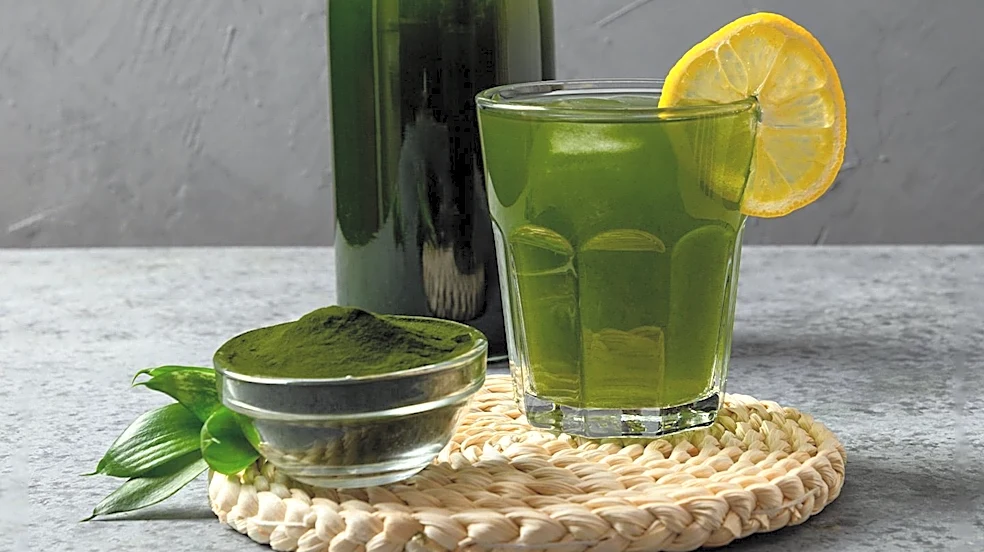
is fueled by social media movements like #SoberTok and the popularity of functional drinks, including adaptogenic beverages. Adaptogenic drinks, infused with plant extracts like L-Theanine, Ashwagandha, and functional mushrooms, are designed to help the body manage stress and support overall well-being without intoxication. NielsenIQ retail data indicates that 82% of non-alcoholic drink buyers still purchase standard alcohol, suggesting a preference for flexible moderation rather than strict abstinence. The market for these functional botanical elixirs is rapidly expanding, with companies like Juni Sparkling Adaptogen Drink being recognized as fast-growing. This shift is also supported by wearable tech data, which shows the negative impact of alcohol on sleep and heart rate variability, prompting consumers to seek healthier alternatives.
Why It's Important?
This growing preference for adaptogenic and alcohol-free beverages has significant implications for the U.S. beverage industry, public health, and social norms. The demand for functional drinks is reshaping product development and marketing strategies, with companies investing in botanical spirits, craft non-alcoholic beers, and adaptogenic elixirs. This trend reflects a broader societal move towards mindful consumption and wellness, potentially leading to a decrease in alcohol consumption and its associated health issues. The rise of 'sober bars' and dedicated zero-proof bottle shops is also transforming social spaces, offering alternatives to traditional alcohol-centric venues and fostering new forms of social interaction. Economically, this creates new market opportunities for beverage manufacturers, retailers, and hospitality businesses that cater to this evolving consumer preference, while potentially impacting the traditional alcohol industry.
What's Next?
The alcohol-free trend is expected to continue its growth trajectory, with further innovation in adaptogenic and functional beverage categories. Consumers can anticipate a wider variety of sophisticated non-alcoholic options in supermarkets, specialty stores, and online. The hospitality sector, including restaurants and bars, will likely expand their zero-proof menus to meet demand, potentially featuring dedicated non-alcoholic pairings for fine dining. Social media will continue to play a crucial role in popularizing new drinks and lifestyle choices, further embedding mindful drinking into mainstream culture. Regulatory bodies may also need to address labeling standards for 'non-alcoholic' versus 'alcohol-free' products as consumer awareness and demand for precise information increase. The success of companies like Juni Sparkling Adaptogen Drink suggests a sustained market for these wellness-focused beverages.
Beyond the Headlines
Beyond the immediate market shifts, the rise of adaptogenic and alcohol-free drinks signifies a deeper cultural re-evaluation of alcohol's role in society. It highlights a generational shift towards prioritizing mental clarity and physical well-being over traditional social drinking habits. This movement challenges the long-standing social pressure to consume alcohol in social settings and promotes a more inclusive environment for non-drinkers. The emphasis on functional ingredients like adaptogens also reflects a growing interest in natural remedies and holistic health approaches. This trend could lead to a broader redefinition of 'celebration' and 'relaxation,' moving away from alcohol as a central component and towards experiences that support overall health and conscious living. It also underscores the influence of technology, particularly wearable health devices, in shaping personal health decisions and consumer behavior.