




What's Happening?
Streetsense, a design firm, has introduced a new perspective on active-adult living through its work on The Penny, an active-adult community developed by Greystar in Annapolis, MD. The design philosophy moves beyond traditional age-restricted housing,
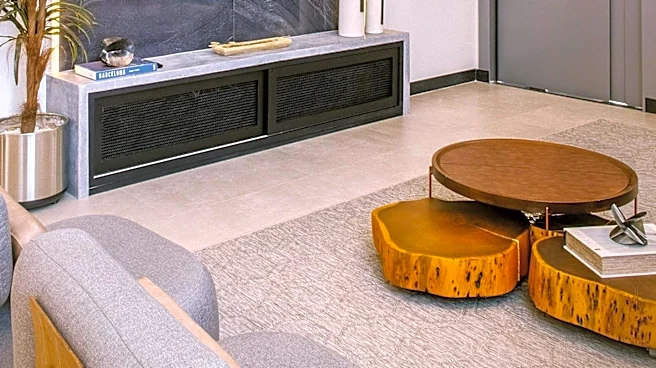
focusing instead on creating communities centered around lifestyle, aspiration, and enriching experiences for residents. Rather than generic multipurpose rooms, The Penny features spaces with distinct personalities that can adapt to residents' changing needs, supporting a range of experiences from quiet solitude to spontaneous conversations and planned gatherings. The approach emphasizes hospitality-driven design, drawing inspiration from boutique hotels, restaurants, and private clubs to create environments that feel sophisticated, welcoming, and genuinely like home. This involves careful consideration of materiality, lighting, furnishings, and spatial relationships to foster character and familiarity, ensuring amenities are meaningfully integrated into residents' routines rather than simply being numerous.
Why It's Important?
This shift in active-adult living design is significant as it addresses the evolving expectations of a demographic that is increasingly selective and lifestyle-focused. By prioritizing experiences and personalized spaces over a generic list of amenities, developers like Greystar and designers like Streetsense are catering to a market that values sophistication, comfort, and connection. This approach can lead to higher resident satisfaction and retention, as communities become more aligned with the aspirations of active adults who are not looking to slow down but to live more fully. The focus on adaptable, character-rich spaces also challenges the conventional notion of age-restricted living, potentially setting new industry standards for how these communities are conceived and marketed. This could influence future developments across the U.S., pushing for more thoughtful and resident-centric designs in the senior living sector.
What's Next?
The success of projects like The Penny is likely to influence future developments in the active-adult living sector. As more residents choose these communities for lifestyle rather than necessity, the demand for sophisticated, experience-driven designs will continue to grow. Developers and designers will need to increasingly focus on creating environments that balance practicality with personality, offering spaces that inspire connection while also providing opportunities for privacy and retreat. This trend suggests a continued evolution in the design of residential communities for older adults, moving further away from institutional models towards those that resemble high-end hospitality or boutique living experiences. The emphasis on wellness, natural light, and seamless integration of accessibility and technology will also become more prevalent in future projects.
Beyond the Headlines
The design philosophy behind The Penny reflects a broader cultural shift in how society views aging. It challenges the stereotype of older adults as passive recipients of care, instead portraying them as active, discerning individuals with rich life experiences and ongoing aspirations. By creating environments that celebrate lifestyle rather than accommodate perceived limitations, this approach contributes to a more positive and empowering narrative around aging. It also highlights the growing importance of design in fostering social connection and emotional well-being, recognizing that physical spaces can profoundly impact mental health and quality of life. This development could lead to a re-evaluation of urban planning and architectural standards for communities catering to an aging population, emphasizing integration, vibrancy, and opportunities for continued personal growth.