



What's Happening?
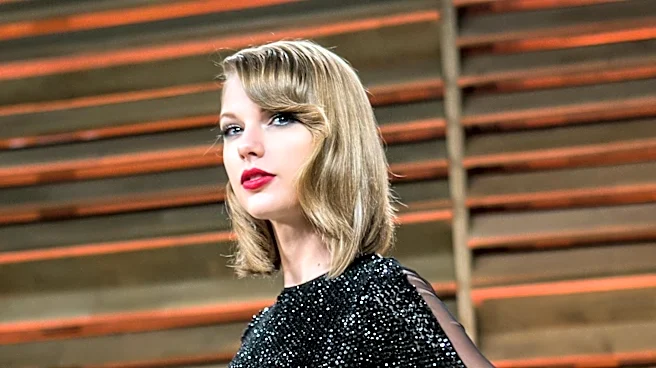
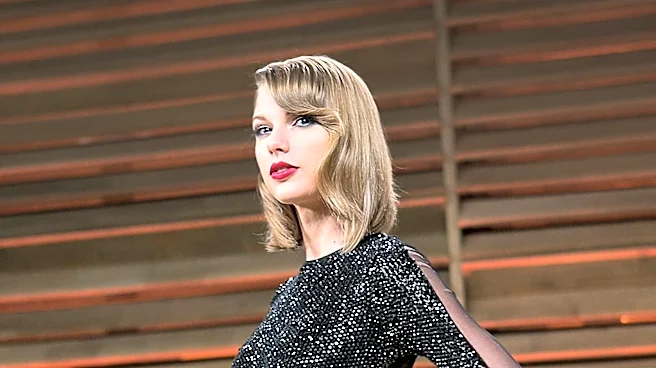
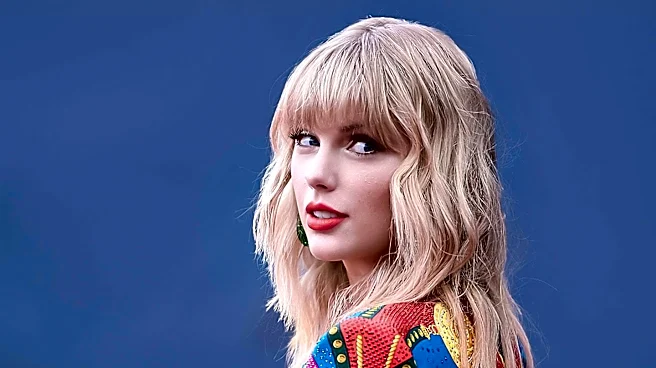
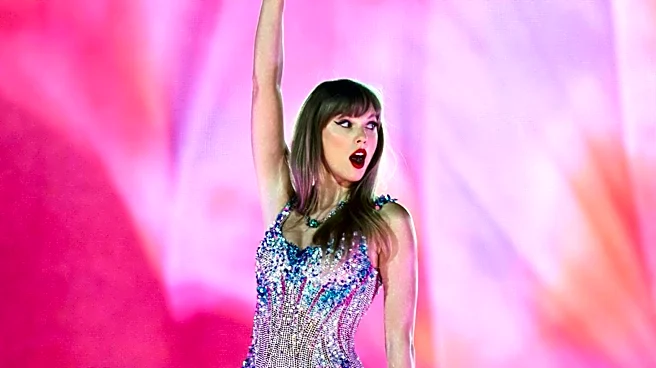
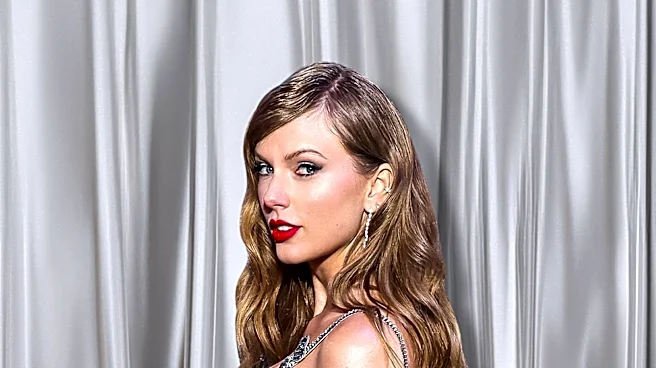
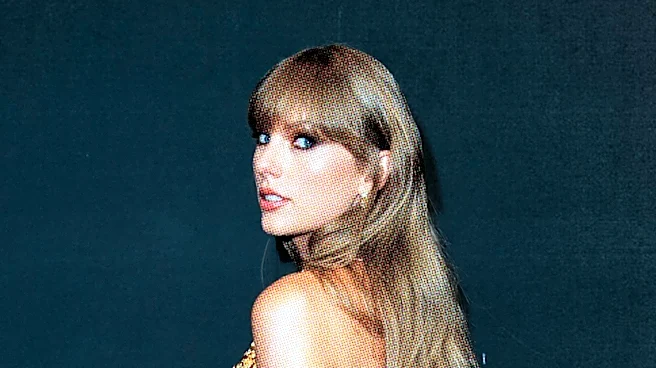
Vanity Fair recently published an article titled “The Mastermind,” written by contributing editor May Jeong, which discusses Taylor Swift without ever explicitly naming her. Instead, Swift is referred to as “The Star.” The article also employs pseudonyms
for other figures, including “The Brat” and “The Protégé,” which are speculated to refer to Charli XCX and Olivia Rodrigo, respectively. These individuals reportedly were not interviewed for the piece. The article has been described as a “hatchet job” by some critics, including Variety’s Chris Willman, who questioned the editorial decision to use aliases and the lack of clear sourcing for certain claims. The piece has reportedly caused internal tension within Condé Nast, with unconfirmed suggestions that it might be an act of revenge by a former friend of Swift. However, Anna Wintour and Condé Nast have denied any involvement in such motives or any repercussions from the article’s publication.
Why It's Important?
This article is significant because it deviates from standard journalistic practices by using pseudonyms for widely recognized public figures, which can obscure transparency and raise questions about the credibility of the reporting. The use of aliases for individuals who were not interviewed, such as Olivia Rodrigo and Charli XCX, further complicates the narrative and can lead to misinterpretations or unfair characterizations. For the entertainment industry, such an approach from a prominent publication like Vanity Fair could set a precedent or spark debate about journalistic ethics in celebrity profiling. It also highlights the potential for internal conflicts within media organizations regarding editorial control and the portrayal of influential figures. The controversy underscores the delicate balance between investigative journalism and maintaining relationships with public figures who are often subjects of such profiles.
What's Next?
The immediate aftermath of the article’s publication will likely involve continued discussion and debate within media circles regarding journalistic ethics and the use of pseudonyms in celebrity profiles. Other media outlets may analyze Vanity Fair’s approach, potentially leading to a re-evaluation of editorial guidelines for similar features. It remains to be seen if the article will prompt any public statements or reactions from Taylor Swift or the other artists implicitly mentioned. Internally at Condé Nast, while denials have been issued, the incident could lead to internal reviews of editorial processes or discussions about managing high-profile stories. The broader impact on Vanity Fair’s relationship with publicists and celebrities in the entertainment industry will also be a point of observation, as such a controversial piece could influence future access for the publication.
Beyond the Headlines
The Vanity Fair article delves into deeper implications concerning the evolving landscape of celebrity journalism and the power dynamics between media outlets and global superstars. The decision to use pseudonyms for a figure as globally recognized as Taylor Swift suggests a deliberate attempt to frame the narrative in a particular way, potentially to circumvent direct engagement or to create an air of mystery and intrigue. This approach could reflect a broader trend where traditional media outlets seek new ways to critique or analyze powerful celebrities, especially when direct access might be limited or controlled. Furthermore, the unconfirmed rumors of the article being an act of revenge highlight the personal and professional complexities that can influence journalistic output, blurring the lines between objective reporting and personal agendas. This incident could also spark conversations about the responsibility of publications to protect sources while also ensuring clarity and fairness in their portrayal of public figures, particularly when those figures are not directly engaged in the reporting.