



What's Happening?
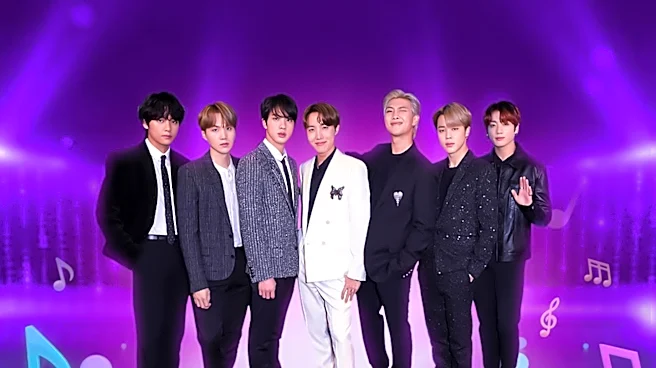
BTS member Jimin has recently encountered significant criticism for his activity on social media. While the group was in Kaohsiung, numerous videos and photos were shared of their visit to a night market. Among these, an AI-generated image surfaced on Instagram,
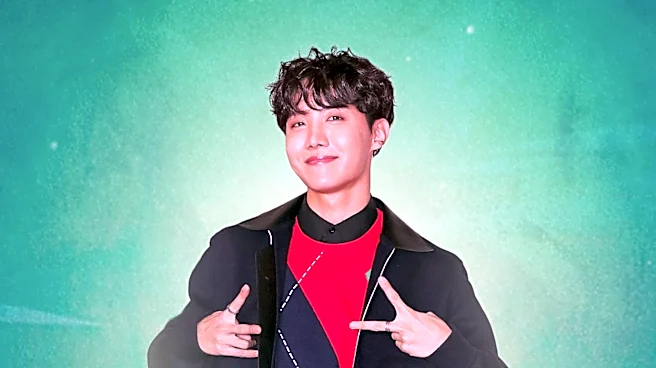
which depicted Jimin's face edited onto fellow member J-Hope's body in one of the shared photos. Jimin was observed liking this AI-modified post, leading to a wave of backlash from fans and observers. The controversy stems from two main points: the use of AI technology in general, which has been a subject of debate, and the specific act of replacing one member's image with another's, particularly J-Hope's with Jimin's, in an AI-generated context. This incident marks another instance where the artist has engaged with AI visuals online, drawing renewed attention to the implications of such interactions.
Why It's Important?
This incident highlights the growing complexities and ethical considerations surrounding artificial intelligence in the entertainment industry, particularly concerning public figures and fan communities. The backlash against Jimin for liking an AI-generated image underscores a broader societal debate about the authenticity of digital content and the potential for AI to alter or misrepresent individuals. For artists and their management, it emphasizes the need for careful consideration of how they engage with AI-generated content, as such actions can significantly impact public perception and fan relations. The controversy also reveals divisions within fan bases regarding the use of AI, with some criticizing its nature and others finding the replacement of one member with another particularly problematic. This event could influence how other public figures and their teams approach AI-generated fan content, potentially leading to clearer guidelines or statements on its use to avoid similar controversies.
What's Next?
The immediate aftermath of this incident may involve further discussions within the BTS fandom and potentially a response or clarification from Jimin or his management regarding his social media activity. The ongoing debate about AI in creative fields suggests that similar situations are likely to arise, prompting artists and their representatives to develop more defined stances on AI-generated content. This event could also lead to increased scrutiny of how AI is used to create and disseminate images of public figures, potentially influencing platform policies or industry standards. Fans and critics will likely continue to monitor how artists interact with AI, shaping future expectations for digital engagement and content authenticity within the entertainment sector.
Beyond the Headlines
Beyond the immediate controversy, this event touches upon deeper ethical and artistic questions regarding AI's role in creative expression and identity. The act of replacing one person's image with another's, even within a fan-generated context, raises concerns about digital manipulation and the potential erosion of individual representation. It also brings to light the power dynamics within fan communities and how artists' actions can inadvertently fuel or legitimize certain types of content, including those that might be seen as disrespectful or inauthentic. This incident serves as a microcosm of the larger societal challenge of navigating AI's capabilities while upholding ethical standards and respecting individual identities in the digital age. It prompts a re-evaluation of what constitutes 'liking' or endorsing content in an era where digital images can be easily altered and disseminated.