






What's Happening?
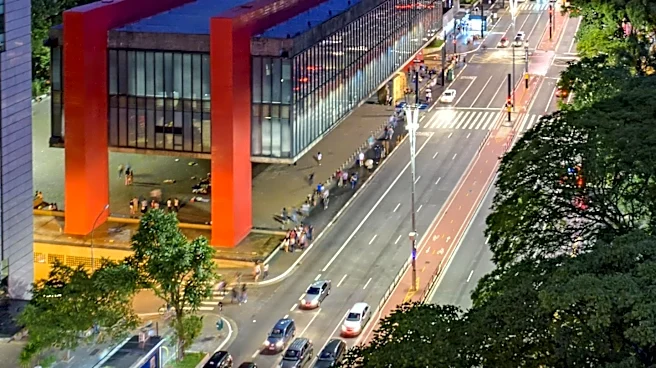
The Museu de Arte de São Paulo Assis Chateaubriand (MASP) on Avenida Paulista will offer free entry to the public on Tuesday, November 3, 2026. Typically, admission to MASP costs R$85, but Tuesdays are designated as free entry days, allowing broader access
to its collections. The museum will be open from 10 AM to 8 PM on this day, providing an extended opportunity for visitors to explore its exhibits. This initiative is part of a broader effort to make art and cultural institutions more accessible to the community. Additionally, Japan House São Paulo, located nearby on Paulista, will also be open and free from Tuesday to Friday, 10 AM to 6 PM, offering another cultural stop for visitors.
Why It's Important?
The provision of free entry to MASP on Tuesdays is significant for promoting cultural engagement and accessibility in São Paulo. By removing the financial barrier of admission fees, the museum enables a wider demographic, including students, low-income individuals, and families, to experience world-class art. This initiative aligns with the broader goal of fostering cultural education and appreciation within the community. Increased visitation can also stimulate local businesses in the Avenida Paulista area, such as cafes and shops, benefiting the local economy. Furthermore, it reinforces São Paulo's reputation as a vibrant cultural hub, encouraging both residents and tourists to explore its artistic offerings. The extended hours on free days also allow for a more relaxed and comprehensive viewing experience.
What's Next?
Visitors planning to attend MASP on November 3, 2026, should anticipate larger crowds due to the free entry, especially in the afternoon. The museum's late closing time at 8 PM offers flexibility for those wishing to avoid peak hours. Public transportation, such as the metro, is recommended for reaching the Paulista area. Beyond MASP, other cultural institutions in São Paulo, like the Pinacoteca, also offer free entry on specific days, indicating a trend towards greater public access to art. These initiatives are likely to continue, with cultural institutions exploring various strategies to engage diverse audiences and integrate art into daily urban life. The success of such programs could influence future policy decisions regarding cultural funding and accessibility.