







What's Happening?
Bag charms, once considered niche collectibles, are transforming into significant cultural and economic assets within the retail sector. Brands are strategically re-positioning plush toys and keychains as limited-edition collectibles, fostering an environment
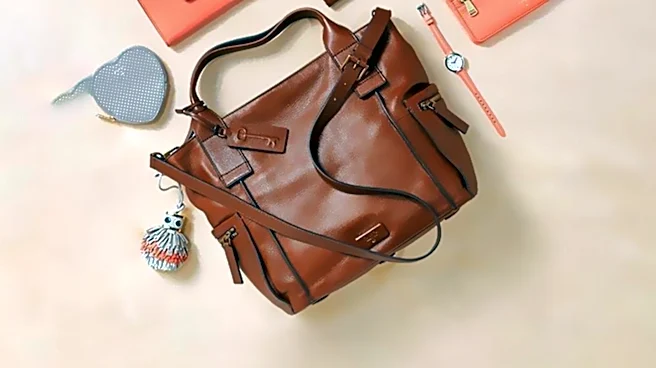
that encourages unboxing, trading, and displaying these accessories as integral elements of personal style. This trend is evident across various types of bags, including luxury handbags, canvas totes, and everyday backpacks. Companies are focusing on creating smaller, more portable, and visually engaging products to enhance their display appeal. This shift is not merely a fleeting fad but a deliberate and effective merchandising strategy, indicating a substantial economic change in how retailers approach product offerings. Additionally, there is a growing interest in DIY bag charm creation, with individuals selling custom designs on platforms like Etsy.
Why It's Important?
This evolution of bag charms signifies a notable economic shift in the U.S. retail industry, particularly impacting fashion and accessory markets. Brands are leveraging the psychological appeal of collectibles and personalization to drive sales and increase profit margins. By transforming simple accessories into 'cultural capital,' companies can command higher prices and cultivate brand loyalty through limited editions and community engagement around trading. This strategy benefits brands by creating new revenue streams and enhancing the perceived value of their core products. Consumers, in turn, are offered a new avenue for self-expression and participation in a growing trend. The rise of DIY options also empowers small businesses and individual creators, fostering a more diverse and accessible market for personalized accessories. This trend highlights a broader consumer desire for unique, customizable items that reflect individual identity.
What's Next?
The trend of bag charms as cultural capital is expected to continue expanding, with brands likely to further innovate in design, materials, and collaborative releases to maintain consumer interest. We may see an increase in partnerships between fashion brands and artists or pop culture franchises to create highly sought-after, limited-edition charms. The DIY segment is also poised for growth, with more resources and platforms emerging to support independent creators. Retailers will likely integrate bag charm displays more prominently in their stores and online, emphasizing their role as essential style components rather than mere add-ons. The market could also see the introduction of digital or NFT-based bag charms, blending physical and virtual fashion accessories, especially as the metaverse gains traction. This ongoing evolution will likely solidify bag charms as a permanent fixture in the accessory market.
Beyond the Headlines
Beyond their immediate economic impact, the rise of bag charms reflects deeper cultural shifts towards personalization, self-expression, and the value placed on unique, curated possessions. In an increasingly digital world, physical accessories that allow for individual customization offer a tangible way for consumers to assert their identity and stand out. This trend also touches upon the psychology of collecting, where the pursuit of rare or limited-edition items creates a sense of exclusivity and achievement. The emphasis on 'unboxing' and 'displaying' these charms highlights the performative aspect of modern consumerism, where products are not just owned but also showcased as part of one's personal brand. Furthermore, the DIY movement within this trend underscores a broader desire for craftsmanship and creative engagement, allowing individuals to participate actively in shaping their style rather than passively consuming mass-produced goods.