








What's Happening?
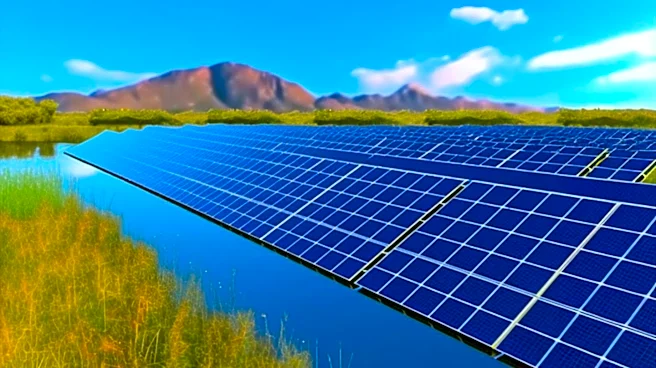
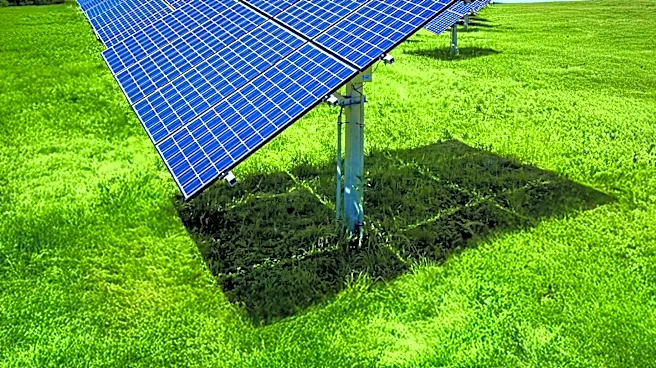
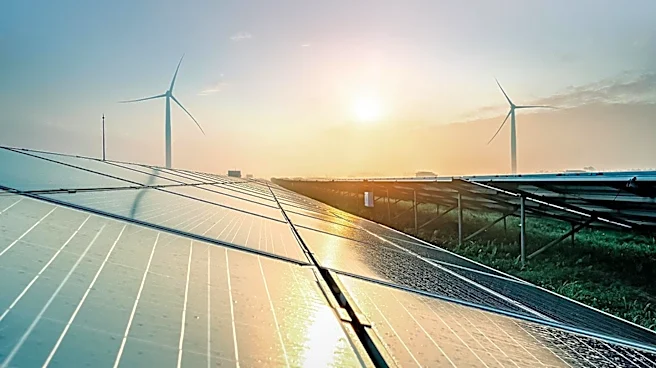
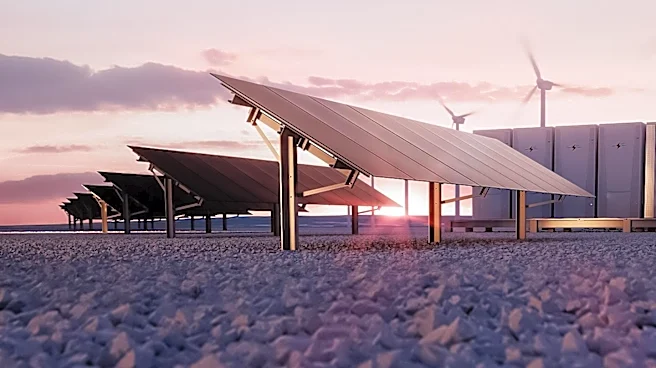
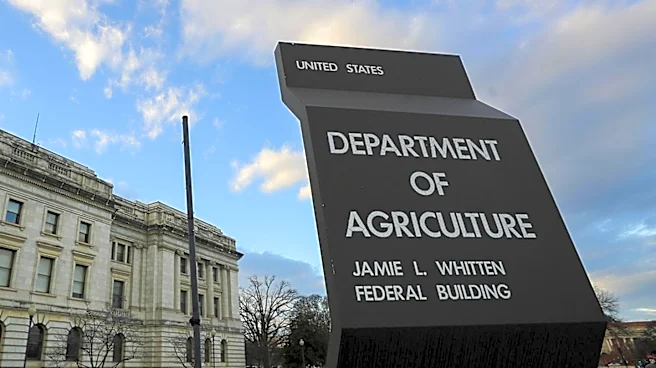
The U.S. solar and storage industries are facing significant delays due to new permitting requirements imposed by the Department of the Interior. These requirements mandate multi-step, Secretary-level approvals for projects on federal land or requiring
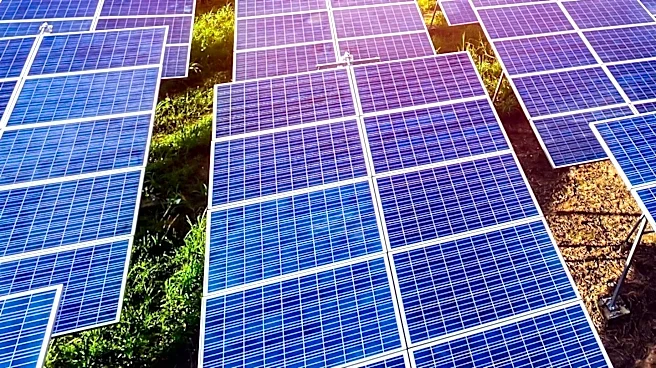
federal rights-of-way. This has resulted in over 450 solar projects being at risk, representing more than 36% of all new planned power capacity in the U.S. The Solar Energy Industries Association (SEIA) highlights that these bureaucratic hurdles are slowing down the deployment of solar energy, which is currently the most affordable and fastest-growing source of new electricity generation. The delays are occurring at a time when electricity demand is reaching record levels, threatening grid reliability and affordability.
Why It's Important?
The delays in solar and storage project approvals could have significant economic and environmental impacts. If these projects cannot come online quickly enough, consumers and businesses may face higher electricity costs, with estimates suggesting an additional $81.2 billion could be added to household energy bills over the next seven years. Furthermore, the delays threaten over $121 billion in planned investments, potentially resulting in fewer jobs and less local tax revenue. The strain on the electric grid could also increase, especially as new data centers and manufacturing facilities come online, and as extreme weather events become more frequent. Streamlining the permitting process is seen as crucial to maintaining energy security and economic growth.
What's Next?
There is a call for Congress to pass bipartisan permitting reform to create a faster and fairer process for building new energy infrastructure. Such reform could lower electricity costs, strengthen grid reliability, and unlock American investment. The SEIA is urging the public to contact their Senators to support this reform, which is seen as essential for meeting America's growing energy needs and ensuring the continued growth of the solar and storage industries.