






What's Happening?
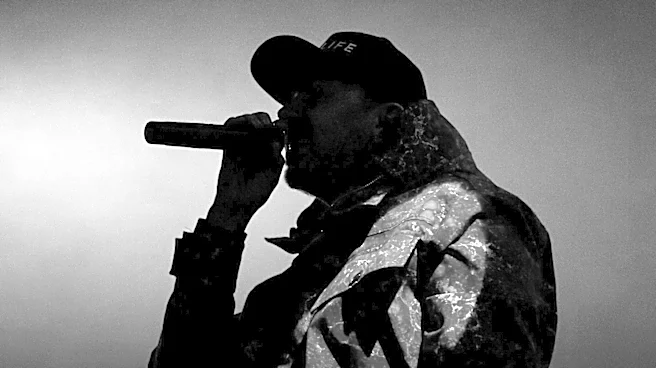
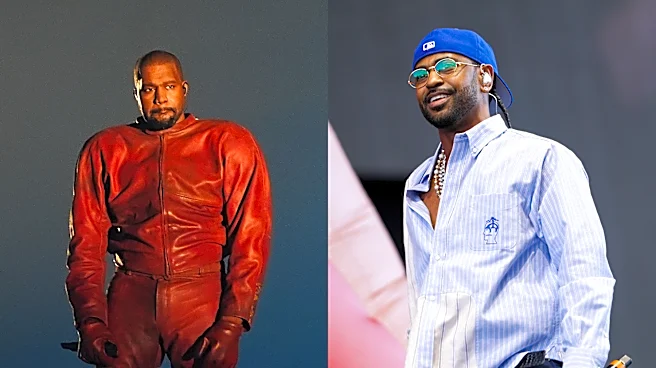
Joe Budden, on his podcast, expressed strong disapproval of Kanye West's recent reunion with Big Sean during a concert at Soldier Field in Chicago. While acknowledging the positive aspect of seeing the former G.O.O.D. Music collaborators together, Budden criticized
West's recurring pattern of publicly falling out with and then reconciling with long-time supporters and collaborators. Budden specifically highlighted West's past harsh criticism of Big Sean, stating that West 'completely shitted on him' and that the reunion felt disingenuous given their history. He described West's behavior as the 'corniest sh*t in the world,' noting that this cycle has repeated multiple times throughout West's career, more frequently than he has observed with other artists in hip-hop.
Why It's Important?
This commentary from Joe Budden sheds light on the complex dynamics and personal relationships within the music industry, particularly concerning high-profile artists like Kanye West. It underscores the impact of public feuds and reconciliations on the perception of artists' character and loyalty. For fans and industry observers, it raises questions about the authenticity of such reunions and the underlying motivations. Budden's critique reflects a broader sentiment among some in the hip-hop community regarding the treatment of collaborators and the value of long-standing professional relationships. The ongoing narrative around West's interactions with artists like Big Sean and Pusha T influences public opinion and can affect future collaborations and the overall legacy of the artists involved.
What's Next?
While the reunion between Kanye West and Big Sean has occurred, Joe Budden's comments suggest that the underlying issues of loyalty and past grievances may continue to be a topic of discussion within the hip-hop community. It is unlikely that West or Sean will directly address Budden's specific criticisms, but the conversation highlights the ongoing scrutiny of celebrity relationships. Future interactions between West and his former collaborators will likely be viewed through the lens of this established pattern. The incident may also prompt further discussions among fans and critics about the nature of artistic partnerships and the responsibilities artists have to those who have supported their careers.
Beyond the Headlines
Beyond the immediate reactions, this situation touches upon deeper themes of forgiveness, accountability, and the performative aspects of celebrity culture. Budden's frustration stems from what he perceives as a lack of genuine accountability from West for his past actions, suggesting that some reconciliations might be more about public image than true mending of relationships. This raises ethical questions about how artists navigate personal and professional disputes in the public eye and the impact of such actions on their artistic integrity. The incident also reflects the power dynamics within the music industry, where established figures can seemingly dictate terms of engagement with less prominent artists, even after public disagreements. It underscores the ongoing debate about the balance between artistic freedom and personal responsibility in the entertainment world.