





What's Happening?
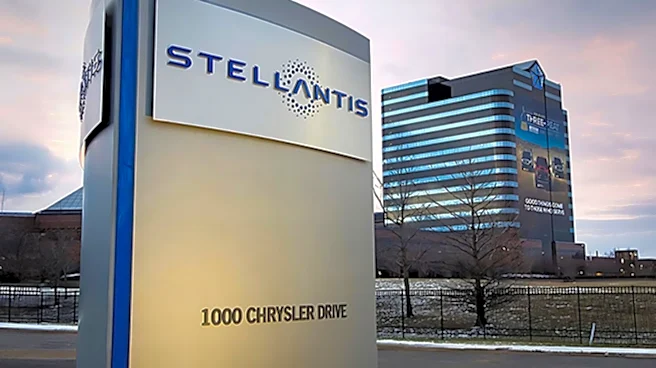
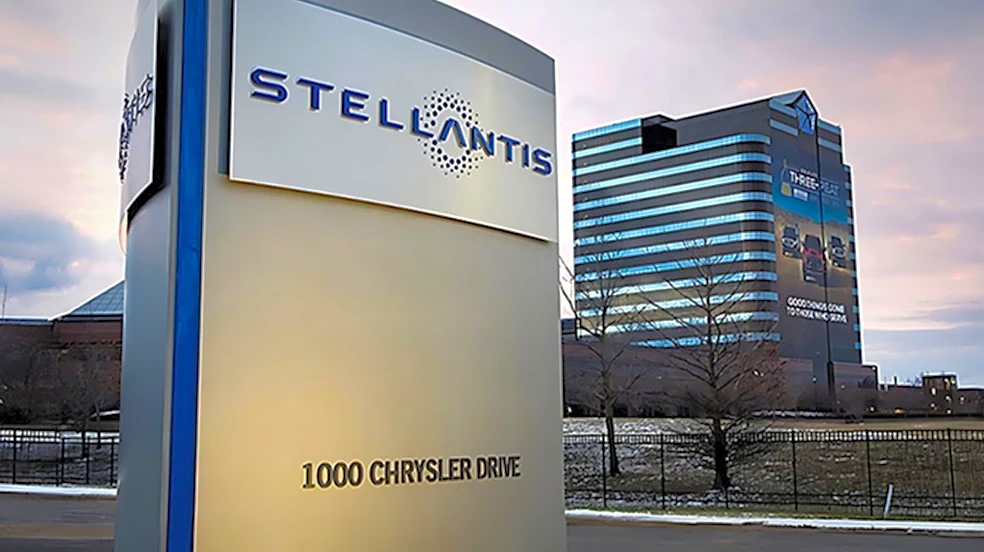
Stellantis, the multinational automotive manufacturer previously known as FCA US, is actively engaged in producing a wide range of passenger cars and commercial vehicles. The company manages an extensive portfolio of international brands, including Abarth,
Alfa Romeo, Chrysler, Citroën, Dodge, DS Automobiles, Fiat, Jeep, Lancia, Maserati, Opel, Peugeot, Ram, and Vauxhall. A key area of current development for Stellantis is the advancement of new propulsion technologies, specifically a diesel-hybrid system designed for its large commercial vans in the European market. Furthermore, Stellantis utilizes the ZF 948TE 9-speed automatic transmission across many of its vehicles, notably in the Jeep Renegade. The company maintains a corporate office in Hoofddorp and emphasizes providing benefits that support a healthy lifestyle and a rewarding future for its employees. Stellantis positions itself as a global automaker and mobility provider committed to delivering clean, connected, affordable, and safe mobility solutions.
Why It's Important?
Stellantis's strategic focus on developing new propulsion technologies, such as the diesel-hybrid system for commercial vans, signifies a broader industry trend towards electrification and sustainability in the automotive sector. This move is crucial for meeting evolving environmental regulations and consumer demands for more fuel-efficient and lower-emission vehicles. The company's diverse brand portfolio allows it to cater to a wide array of market segments, from luxury to commercial, providing resilience against market fluctuations and enabling broad market penetration. The continued integration of advanced components like the ZF 948TE 9-speed automatic transmission across multiple models highlights an effort to standardize and optimize performance and efficiency across its product lines. This approach can lead to cost efficiencies in manufacturing and maintenance, ultimately benefiting both the company and its customers. Stellantis's commitment to employee well-being also plays a role in attracting and retaining talent in a competitive industry.
What's Next?
Stellantis is expected to continue its investment in research and development for advanced propulsion systems, with further integration of hybrid and electric technologies across its brand portfolio. The rollout of the diesel-hybrid system in European commercial vans will likely serve as a testbed for broader application or refinement of similar technologies in other markets or vehicle types. The company will also likely focus on expanding its market share in various global regions by leveraging its diverse brand offerings and adapting to local market demands and regulatory environments. Future developments may include further collaborations or partnerships to accelerate technological advancements in areas like autonomous driving and connectivity. Stellantis's ongoing efforts to enhance employee benefits and foster a positive work environment will also be crucial for maintaining its competitive edge in talent acquisition and innovation.
Beyond the Headlines
The evolution of Stellantis, particularly its emphasis on sustainable mobility solutions and diverse brand management, reflects significant shifts within the global automotive industry. The transition from traditional internal combustion engines to hybrid and electric powertrains is not merely a technological upgrade but a fundamental reorientation of manufacturing processes, supply chains, and consumer expectations. Stellantis's ability to manage such a vast and varied brand portfolio while simultaneously innovating in propulsion technology speaks to the complexities of modern global corporations. This strategic direction also has broader implications for the automotive workforce, requiring new skill sets in areas like software development, battery technology, and advanced manufacturing. The company's commitment to a 'sustainable mobility tech company' vision suggests a long-term play that extends beyond just selling cars, aiming to shape the future of transportation and urban planning.