





What's Happening?
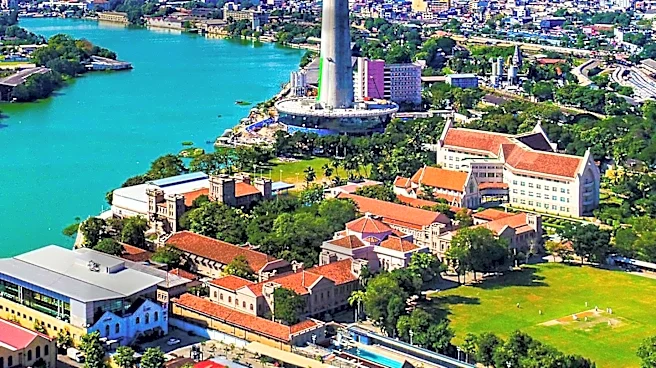
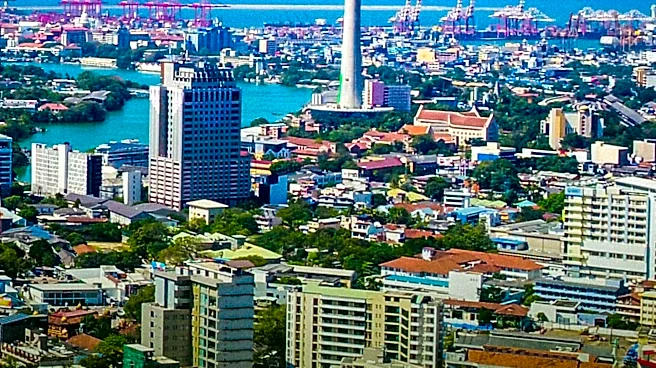
Sri Lanka is embarking on a significant tourism development initiative, backed by approximately $200 million in proposed World Bank operations, to reposition its capital, Colombo, as a standalone tourist destination. The project, named THRIVE Colombo, has
an initial allocation of $77 million and aims to encourage visitors to extend their stays beyond a mere entry point. Currently, only an estimated 5%-10% of international visitors stay in Colombo, with an average visit lasting about half a day, despite the city possessing a large number of five-star hotels. The strategy focuses on creating integrated visitor experiences by connecting existing assets, such as a Fort-centered heritage loop and a nature-based loop around Colombo’s wetlands, into navigable itineraries designed for 48-to-72-hour stays. This approach seeks to address the historical fragmentation of Colombo’s tourism assets, which have lacked professional management, maintenance, programming, and transport connections necessary to convert them into compelling tourism products.
Why It's Important?
This investment is crucial for Sri Lanka's tourism sector, signaling a shift from merely increasing visitor numbers to enhancing visitor value and duration of stay. By transforming Colombo into a destination in its own right, the country aims to boost tourist spending and create a more robust, sustainable tourism economy. The project's emphasis on policy reform, institutional restructuring, and private investment is vital for overcoming long-standing challenges in managing and monetizing tourism assets. Success in this endeavor could lead to significant economic benefits, including increased revenue for local businesses, job creation, and improved infrastructure. Conversely, failure to effectively implement these reforms and integrate fragmented assets could result in the investment becoming another public-sector-led beautification exercise without generating the desired economic returns. The initiative also highlights the importance of professional management and private sector involvement in converting cultural and natural assets into commercially viable tourism experiences.
What's Next?
The World Bank expects greater private-sector involvement in selected tourism assets and proposes modernizing key tourism institutions, including the Sri Lanka Tourism Development Authority, Tourism Promotion Bureau, and Sri Lanka Institute of Tourism and Hotel Management. The reform agenda will also address digital systems, tourism data, governance, and skills development. A proposed Tourism Entrepreneurship Fund is intended to finance events, creative enterprises, and visitor experiences, aiming to generate commercial activity that converts physical assets into a functioning tourism economy. The broader tourism strategy will shift towards targeting high-spending segments rather than broad campaigns, indicating a fundamental change in Sri Lanka's tourism model. Authorities will track key performance indicators beyond project expenditure and tourist arrivals, focusing on average Colombo stay, visitor spending, private investment, attraction revenues, repeat visits, and the number of viable tourism enterprises created to measure the project's success.
Beyond the Headlines
The success of this initiative hinges on more than just infrastructure development; it requires a profound cultural and institutional shift within Sri Lanka's tourism sector. The historical issue of fragmented assets and insufficient demand for Colombo as an experience points to deeper challenges in destination branding and visitor engagement. The project's focus on policy reform and institutional modernization acknowledges that structural weaknesses have hindered past tourism efforts. Furthermore, the emphasis on professional management and private sector involvement suggests a recognition that tourism assets, however rich, require strategic development and commercial acumen to thrive. This transformation could serve as a model for other developing nations seeking to leverage their cultural and natural heritage for economic growth, provided that the reforms prioritize authentic visitor experiences and sustainable economic practices over superficial beautification.