



What's Happening?
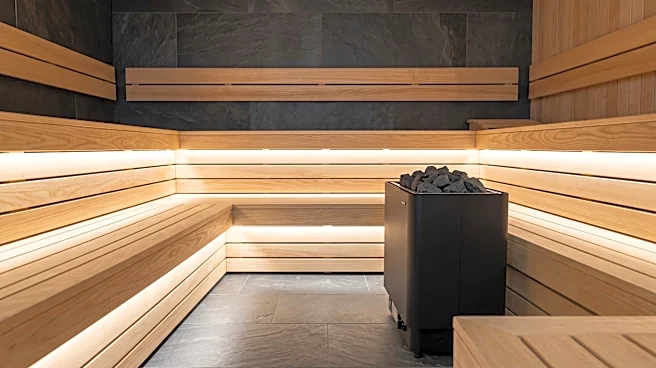
Experts are discussing the optimal use of hot and cold exposure therapies, such as saunas and cold plunges, for muscle recovery. Martin Sharp, coach and founder of Sharp Fit For Life, advocates for the 'Nordic cycle,' suggesting a sauna session before
an ice bath. He explains that the sauna increases blood flow and heart rate, relaxing muscles and initiating the repair cycle. Following this, a cold plunge constricts blood vessels and slows the heart rate. Sergii Putsov, Olympic weightlifter and Head of Sports Science at Torokhtiy Weightlifting, highlights that cold therapy reduces inflammation and swelling, numbs soreness, and flushes out waste products like lactic acid. George Thomas from Tennis HQ notes its effectiveness post-cardio. Conversely, Putsov states that heat therapy relaxes muscles, improves flexibility, and enhances blood flow, delivering oxygen and nutrients for accelerated recovery. However, recent research indicates that consistently plunging after a lifting session might limit muscle gain.
Why It's Important?
This discussion is crucial for athletes, fitness enthusiasts, and the broader wellness industry in the U.S. as it provides nuanced guidance on recovery strategies. Understanding the distinct benefits and potential drawbacks of hot and cold exposure allows individuals to tailor their post-workout routines more effectively. The insight that consistent cold plunging after strength training might hinder muscle gain is particularly significant, as it challenges a widely held belief and could lead to adjustments in training protocols for those focused on hypertrophy. For the wellness market, this expert debate informs product development and service offerings, from specialized saunas and cold plunges to recovery programs. It also empowers consumers to make more informed decisions about their recovery practices, potentially leading to better outcomes and preventing counterproductive habits.
What's Next?
The ongoing debate and emerging research on hot and cold exposure will likely lead to more refined recommendations for muscle recovery. Future studies may delve deeper into the specific physiological mechanisms and optimal timing for each therapy, potentially differentiating advice based on the type of exercise (e.g., cardio vs. strength training) and individual goals. This could result in the development of more personalized recovery protocols. The wellness industry may respond by offering more sophisticated and data-driven recovery solutions, possibly integrating wearable technology to monitor physiological responses. Educational initiatives for athletes and the general public will be essential to disseminate the latest findings and ensure that recovery practices are both effective and safe. The nuanced understanding of these therapies will continue to evolve, influencing training methodologies and wellness trends.
Beyond the Headlines
Beyond immediate muscle recovery, the discussion around hot and cold exposure touches upon broader aspects of human physiology and well-being. The 'Nordic cycle' reflects a traditional approach to health that integrates environmental stressors for adaptive benefits, hinting at the concept of hormesis. The potential for cold exposure to limit muscle gain after lifting sessions raises questions about the body's adaptive responses to different stressors and the timing of interventions. This complexity underscores the need for a holistic view of recovery that considers not just immediate relief but also long-term physiological adaptations. The popularity of these therapies also highlights a cultural interest in biohacking and optimizing human performance, pushing the boundaries of conventional recovery methods. Ethical considerations regarding accessibility and the scientific rigor behind wellness claims will also become increasingly important as these practices gain wider acceptance.