




What's Happening?
Montbell, a prominent Japanese outdoor brand, has developed a cult following in the Western market, particularly in the U.S., due to its reputation for innovative functionality. This contrasts sharply with its widespread recognition and integration into
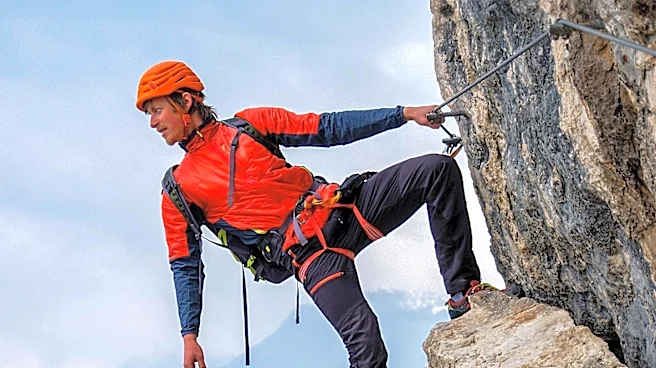
daily life in Japan, where it is a household name with over 130 stores. In Japan, Montbell's significance extends beyond outdoor recreation, providing workwear for rice farmers and forestry workers, designing uniforms for national park rangers, and supporting communities through initiatives like the Montbell Club. The brand's presence in the U.S. is more limited, with only one brick-and-mortar store in Boulder, Colorado, and its recognition primarily comes through online reviews and long-distance hiking groups. Unlike other Japanese outdoor brands that gain international traction through premium, lifestyle-oriented images or co-branded products, Montbell's success in the U.S. is driven by its practical and high-performance gear.
Why It's Important?
The differing market penetration of Montbell in Japan and the U.S. highlights distinct consumer behaviors and brand development strategies across cultures. In Japan, Montbell's deep integration into various aspects of society, from outdoor recreation to essential workwear and community support, demonstrates a model of corporate citizenship and broad appeal. This comprehensive approach has made it a ubiquitous brand, akin to REI in the U.S. In contrast, Montbell's niche appeal in the U.S. market, driven by its functional innovation, indicates a segment of consumers who prioritize performance and quality over widespread brand recognition or lifestyle branding. This trend suggests that U.S. outdoor enthusiasts are increasingly seeking out specialized, high-quality gear, even if it comes from less-known international brands. This could influence other international outdoor brands to focus on product innovation and direct-to-consumer online sales to gain traction in the competitive U.S. market, rather than relying solely on extensive retail networks or celebrity endorsements.
What's Next?
Montbell's growing cult following in the U.S. could lead to increased online sales and a gradual expansion of its physical presence beyond its single Boulder store. As word-of-mouth and online reviews continue to spread among dedicated outdoor communities, the brand's recognition is likely to grow. This might prompt Montbell to adapt its U.S. marketing strategy, potentially emphasizing its innovative technologies and functional benefits more explicitly to a broader audience. However, it is also possible that Montbell will maintain its current, more understated approach in the U.S., catering to its loyal niche market. The success of Montbell's model, which prioritizes product quality and community engagement in Japan, could also serve as a case study for other companies looking to build deep, long-term relationships with consumers and local communities, both domestically and internationally.
Beyond the Headlines
The story of Montbell illustrates the complex interplay between global branding, cultural context, and consumer values. In Japan, Montbell embodies a sense of national pride and practical utility, deeply woven into the fabric of everyday life and community support. This contrasts with its perception in the U.S. as a 'if-you-know-you-know' brand, valued by a discerning segment of outdoor enthusiasts. This divergence highlights how a brand's identity can be fluid and shaped by local needs and cultural narratives. It also raises questions about the sustainability of different growth models: whether broad, community-integrated presence or niche, performance-driven appeal offers a more resilient path in the long term. The brand's success in both contexts, despite different strategies, underscores the universal appeal of quality and functionality in outdoor gear, even as its broader cultural significance varies.