






What's Happening?
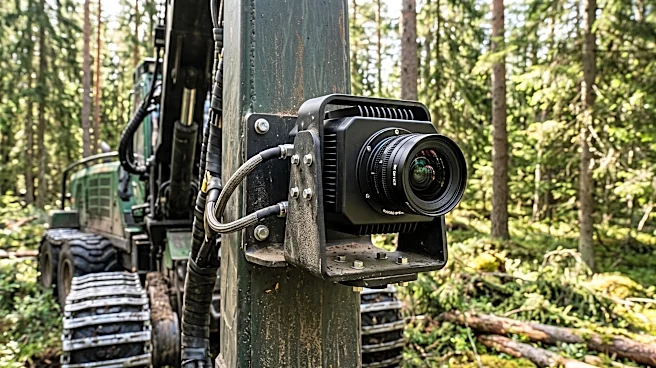
Brigade Electronics has developed new camera systems aimed at improving safety in the logging industry, particularly addressing blind spots on front-loading machines and driver fatigue during long-haul journeys. The company's loader cameras automatically
switch views as the bucket moves, helping operators see areas that would otherwise be obscured. Additionally, AI-powered cabin cameras monitor drivers for signs of fatigue or distraction, such as drooping eyelids, yawning, or cell phone use, providing audible alerts. According to Brigade Electronics, 27% of logging incidents between 2011 and 2019 occurred during long-haul logging truck journeys, often due to driver fatigue or distraction. The timber industry is a significant contributor to the U.S. economy, employing approximately 950,000 people and supplying various sectors including construction, energy, furniture, and paper products. While NIOSH data indicates that 59% of logging deaths are 'struck-by' incidents, with 90% involving trees or logs, Brigade's systems focus on vehicle-related hazards and driver condition.
Why It's Important?
The introduction of these advanced camera systems is important for the U.S. logging industry due to its high-risk nature. Logging has historically had a fatality rate significantly higher than the average for all U.S. workers, with truck drivers being one of the occupational groups most affected. By mitigating risks associated with blind spots and driver fatigue, these technologies can lead to a reduction in accidents, injuries, and fatalities. This not only protects workers but also has economic benefits by reducing downtime, insurance costs, and potential legal liabilities for logging companies. Improved safety measures can also help attract and retain skilled labor in an industry vital to the U.S. economy, which relies on timber for numerous products and employs a substantial workforce. The focus on driver fatigue is particularly relevant given the long hours and challenging conditions often faced by logging truck drivers.
What's Next?
The adoption of these camera systems will likely depend on individual logging companies' assessments of their specific safety needs and cost-benefit analyses. While OSHA's logging operations standard mandates job and first-aid training, personal protective equipment, and protective structures, it does not currently require camera or detection systems, leaving their implementation as an employer's choice. Fleet managers will need to evaluate the effectiveness of these systems in addressing their incident logs, considering factors like the specific hazards each camera covers and the operating conditions. The privacy implications of in-cab driver monitoring cameras, particularly regarding the option to notify fleet managers, will also be a consideration for companies and their employees. Continued advancements in AI and sensor technology are expected to further refine these safety solutions, potentially leading to broader industry adoption as their efficacy and cost-effectiveness are proven.
Beyond the Headlines
The integration of AI and advanced camera technology into heavy machinery, as seen with Brigade Electronics' offerings, represents a broader trend towards automation and enhanced safety in hazardous industries. This development raises questions about the balance between technological surveillance for safety and worker privacy. While the immediate goal is to prevent accidents, the continuous monitoring of drivers' behavior and vehicle performance could lead to new forms of performance management and accountability. Furthermore, the reliance on technology to address human factors like fatigue highlights the ongoing challenge of ensuring worker well-being in demanding professions. The data collected by these systems could also contribute to a more granular understanding of accident causes, potentially influencing future regulatory standards and industry best practices beyond current OSHA guidelines.