






What's Happening?
DAZN, a global sports subscription platform, has acquired Basket.TV, a basketball streaming service primarily operating in Latin America. This strategic move aims to significantly strengthen DAZN's global basketball offerings and expand its footprint
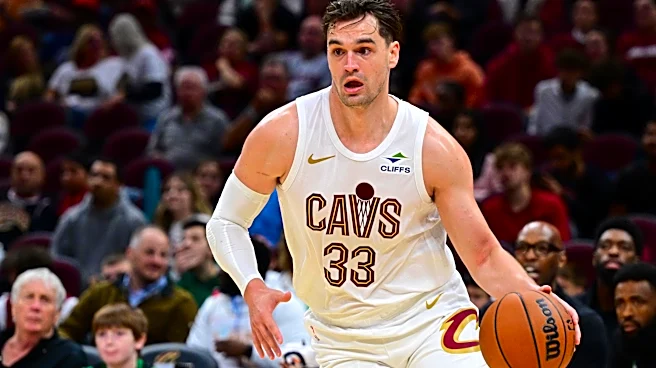
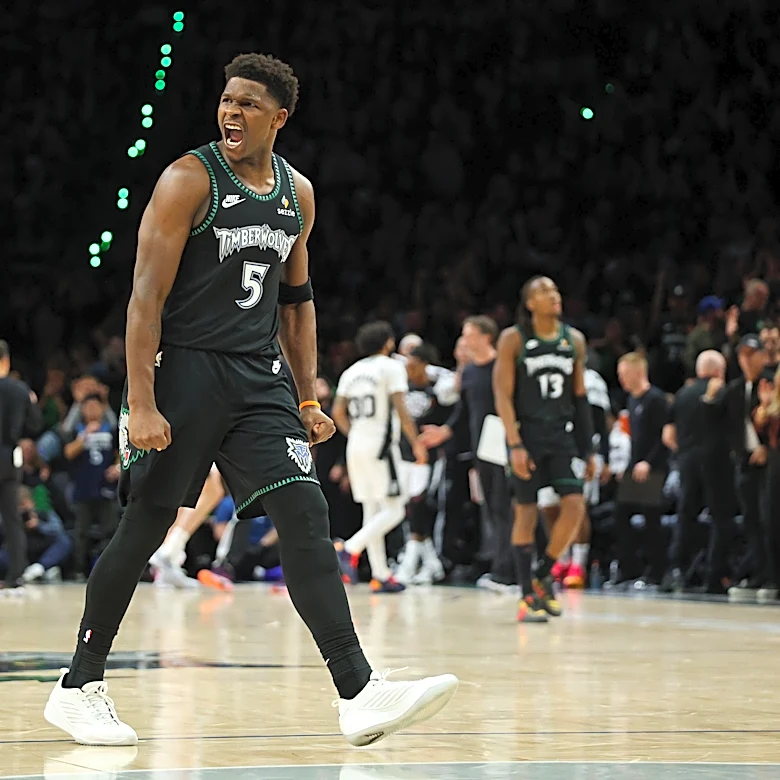
in key Latin American markets, including Argentina, Brazil, Uruguay, Bolivia, Chile, and Ecuador. Basket.TV currently covers approximately 4,900 basketball matches annually from over 300 teams, encompassing both domestic leagues and international competitions. The acquisition builds upon DAZN's existing extensive basketball rights portfolio, which includes content from the NBA, NCAA college basketball, Super League Basketball, LNB Élite, Liga Endesa, Copa del Rey, and a multi-year partnership with FIBA. DAZN has also recently secured local rights partnerships with several NBA teams, such as the Indiana Pacers, Detroit Pistons, Cleveland Cavaliers, Orlando Magic, San Antonio Spurs, Memphis Grizzlies, and Minnesota Timberwolves. Shay Segev, DAZN Group's chief executive, stated that this acquisition will create greater value for fans, leagues, and partners while contributing to the growth of basketball worldwide.
Why It's Important?
This acquisition is significant for DAZN as it solidifies its position as a major player in global sports streaming, particularly in basketball. By integrating Basket.TV, DAZN gains immediate access to a substantial audience and a comprehensive catalog of basketball content across Latin America, a region identified as a priority growth market. This expansion allows DAZN to leverage its existing partnerships with major basketball organizations like the NBA and FIBA, offering a more unified and extensive viewing experience for fans. For U.S. basketball fans, while Basket.TV primarily serves Latin America, DAZN's strengthened global presence could indirectly lead to more comprehensive international basketball coverage on its platform, potentially enhancing the overall value proposition for subscribers interested in global basketball. The move also intensifies competition within the sports streaming landscape, pushing other platforms to innovate and expand their content offerings to retain and attract subscribers.
What's Next?
Following the acquisition, DAZN is expected to integrate Basket.TV's operations and content into its existing platform, aiming for a seamless transition for subscribers. This integration will likely involve combining technical infrastructures and content libraries to offer a more robust basketball streaming service. DAZN will focus on leveraging Basket.TV's established presence in Latin America to further expand its subscriber base and explore new partnership opportunities with local leagues and teams. The company's broader growth ambitions in Latin America suggest that this acquisition is part of a larger strategy to become a dominant sports streaming provider in the region, potentially leading to further investments in local sports content beyond basketball. For U.S. NBA teams with local rights deals with DAZN, this global expansion could enhance the platform's overall stability and reach, potentially benefiting future negotiations and content distribution strategies.
Beyond the Headlines
The acquisition of Basket.TV by DAZN highlights a broader trend in the sports media industry: the consolidation of streaming rights and platforms to create more comprehensive and geographically diverse offerings. This move reflects the increasing demand for specialized sports content and the strategic importance of regional markets in global expansion plans. For basketball, this consolidation could lead to a more centralized viewing experience for fans worldwide, potentially simplifying access to a wide array of leagues and competitions. However, it also raises questions about market concentration and potential impacts on smaller, independent sports broadcasters. The emphasis on Latin America as a priority growth market underscores the evolving global landscape of sports consumption, where emerging markets are becoming increasingly crucial for the growth of international media companies. This could also influence how U.S. sports leagues view international distribution and fan engagement strategies.