









What's Happening?
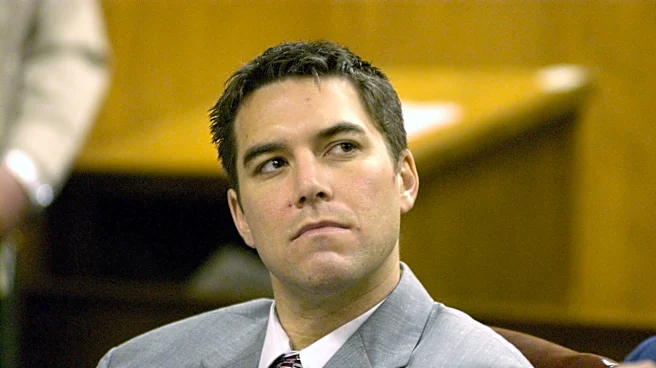
A&E's documentary 'Scott Peterson: The New Evidence' aired on July 16 and 17, 2026, revisiting the 2004 conviction of Scott Peterson for the murder of his wife Laci and their unborn son Conner. The documentary, hosted by attorney Chris Pixley, highlights
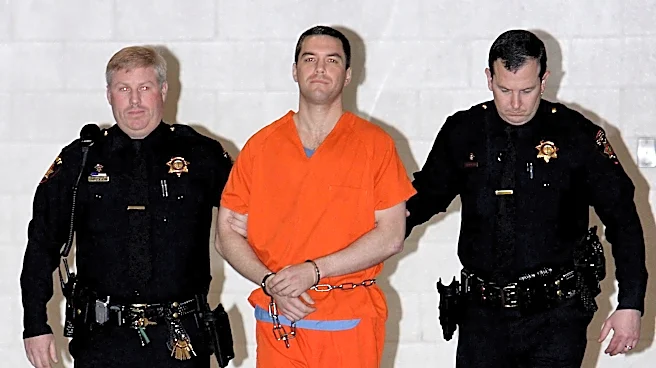
claims from the Los Angeles Innocence Project (LAIP) that evidence was suppressed by the Modesto Police Department and the Stanislaus County District Attorney's Office. The documentary explores several key points, including a burglary at a neighbor's home and a van fire, which were allegedly mishandled by authorities. Despite these claims, Peterson remains incarcerated at Mule Creek State Prison. His legal team, including former defense attorney Mark Geragos, continues to assert his innocence, although a recent petition for exoneration was denied by Judge Elizabeth M. Hill.
Why It's Important?
The documentary's claims of suppressed evidence and mishandling by law enforcement raise significant questions about the integrity of the judicial process in high-profile cases. If proven, these allegations could undermine public trust in the criminal justice system and highlight the challenges faced by those seeking to overturn wrongful convictions. The case also underscores the role of media and public opinion in shaping legal narratives, as documentaries like this can influence public perception and potentially impact future legal proceedings. The ongoing debate over Peterson's guilt or innocence continues to captivate public interest, reflecting broader societal concerns about justice and due process.
What's Next?
While the documentary has reignited public interest in the case, it remains to be seen whether it will lead to any legal developments. The LAIP may continue to pursue legal avenues to challenge Peterson's conviction, potentially seeking new evidence or legal arguments to support their claims. Meanwhile, the Modesto Police Department and the Stanislaus County District Attorney's Office may face increased scrutiny over their handling of the case. Public and media attention could pressure these institutions to respond to the allegations, possibly leading to internal reviews or policy changes. The case may also inspire further documentaries or media coverage, keeping the story in the public eye.