








What's Happening?
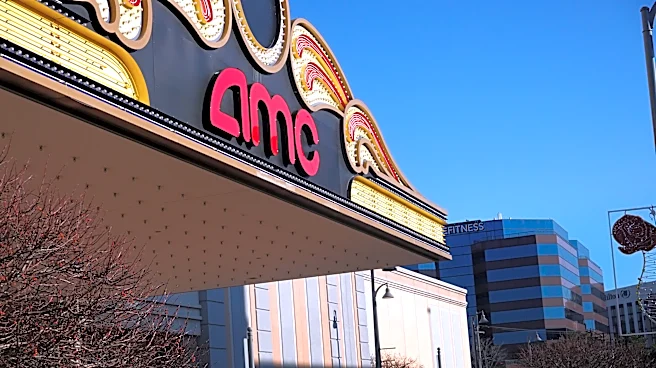
AMC Entertainment (NYSE:AMC) has announced record-breaking results for its latest quarter, achieving all-time company highs in both revenue and adjusted earnings before interest, taxes, depreciation, and amortization (EBITDA). This performance signals
a significant recovery in the theatrical box office, directly benefiting the largest exhibitor in the U.S. The company's success is attributed to a stronger film slate, which has led to increased attendance. Management highlighted that domestic admissions outpaced the broader industry, indicating AMC's effective strategy in capturing a larger share of the reviving market. This outperformance is partly due to investments in premium formats, larger screens, and enhanced seating, encouraging patrons to opt for an elevated cinematic experience that streaming services cannot replicate. The company also completed a comprehensive debt refinancing early in the quarter, extending maturities, lowering average interest rates, and securing credit rating upgrades, thereby easing financial pressures.
Why It's Important?
This development is crucial for the U.S. entertainment industry, particularly for cinema chains that have faced significant challenges in recent years due to changing viewing habits and the impact of global events. AMC's record quarter demonstrates that the theatrical exhibition model can still thrive with a robust content pipeline and strategic investments in the customer experience. The recovery of a major player like AMC signals a potential stabilization and resurgence for the entire sector, benefiting film studios, distributors, and local economies reliant on movie theater traffic. The successful debt refinancing also provides AMC with greater financial stability, reducing the risk of bankruptcy and allowing for continued investment in its infrastructure. This positive trend could encourage further studio commitment to theatrical releases, ensuring a steady flow of content for exhibitors and audiences alike. Conversely, a downturn would have significant ripple effects across the film production and distribution ecosystem.
What's Next?
AMC management projects a broadly steady theatrical market for the coming year, suggesting that the recovery is transitioning from a sharp rebound to a sustained plateau. The holiday season is anticipated to bring a series of high-profile releases, which AMC is counting on to maintain momentum into the next quarter. The company's strategy will continue to focus on upgrading its existing theaters rather than merely expanding, emphasizing premium large-format screens, laser projection, enhanced food and beverage options, and more comfortable seating to increase per-visit spending. This approach aims to maximize revenue from each customer visit, especially as the industry adapts to a calendar with fewer, but higher-impact, film releases. The success of this strategy will depend on the continued appeal of studio content and AMC's ability to differentiate the in-theater experience from at-home streaming.
Beyond the Headlines
The record quarter for AMC Entertainment highlights a broader shift in consumer behavior and the evolving landscape of entertainment consumption. While streaming services gained significant traction, the strong performance of AMC suggests that the communal and immersive experience of moviegoing retains its value for audiences. This could lead to a re-evaluation of release strategies by film studios, potentially favoring exclusive theatrical windows for major blockbusters to maximize box office returns before digital distribution. The emphasis on premium experiences also indicates a move towards quality over quantity in cinema, where theaters must offer compelling reasons for consumers to leave their homes. This trend could foster innovation in theater design and technology, further enhancing the cinematic experience and solidifying its place within the diverse entertainment ecosystem. The financial restructuring also sets a precedent for how legacy entertainment companies can adapt to modern market demands.