








What's Happening?
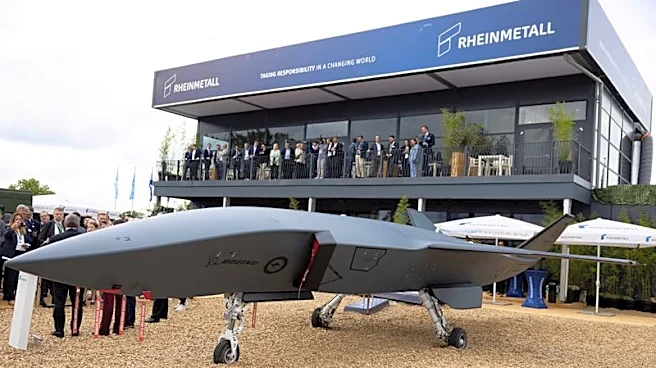
Honeywell Aerospace has introduced a new navigation system named Kestrel, designed for collaborative combat aircraft (CCAs) to operate effectively in environments where GPS signals may be compromised. The Kestrel system is tailored for Group 2 and 3 CCAs,
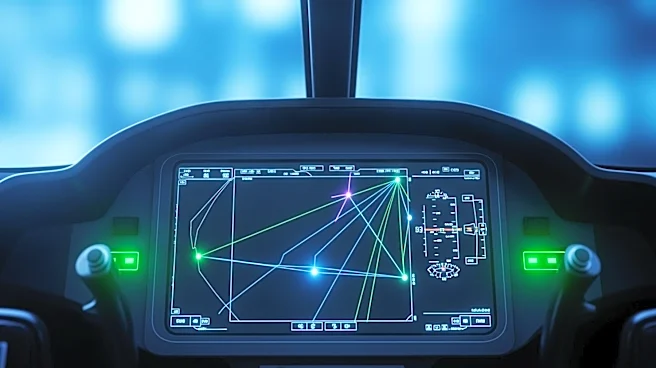
which the U.S. Air Force categorizes based on weight. This system is notable for its compact size, being 40% smaller than existing equipment, and offers an 80% improvement in navigation accuracy. It integrates Honeywell's HG3900 inertial measurement unit with M-Code and multi-GNSS receivers, making it suitable for uncrewed platforms and loitering munitions. The development reflects the growing demand for resilient and cost-effective navigation technologies in modern uncrewed operations.
Why It's Important?
The introduction of the Kestrel navigation system is significant for the defense sector, particularly in enhancing the capabilities of uncrewed aerial vehicles (UAVs) in contested environments. As military operations increasingly rely on UAVs, the need for reliable navigation systems that can withstand GPS interference is critical. Honeywell's innovation could lead to more effective mission outcomes and operational efficiency. This advancement also positions Honeywell as a key player in the defense technology market, potentially influencing future contracts and collaborations with military organizations like the U.S. Air Force.
What's Next?
Honeywell's continued involvement in CCA efforts, including a recent contract with the U.S. Air Force for developing small turbofans for uncrewed aircraft, suggests further advancements and potential expansions in their defense technology offerings. The success of the Kestrel system could lead to its adoption in various military applications, prompting other defense contractors to innovate similar technologies. Stakeholders in the defense industry will likely monitor the system's performance and its impact on military operations.