






What's Happening?
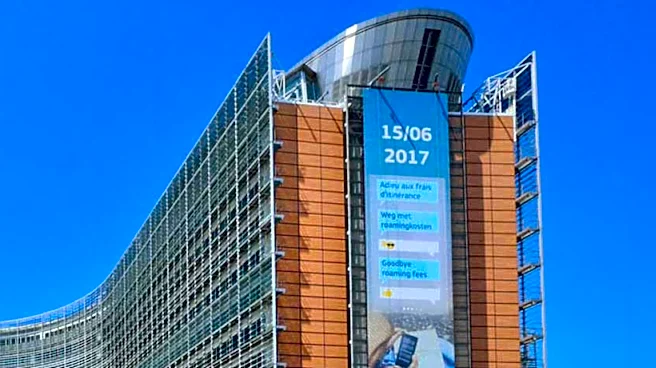
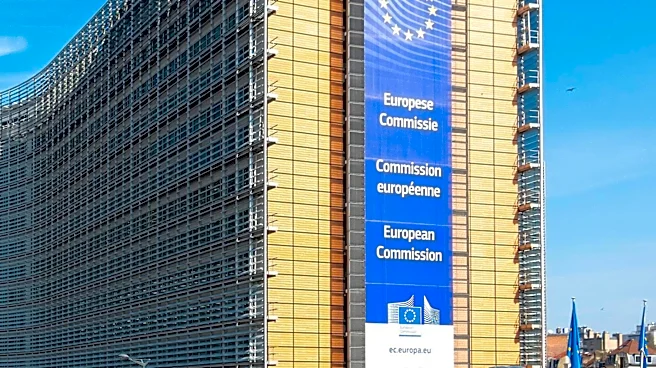
The European Commission has launched a formal antitrust investigation into Coca-Cola Europacific Partners (CCEP), one of Europe's largest beverage bottlers. The probe, announced on November 23, 2026, will examine whether CCEP has violated European Union
competition rules by impeding the free movement of carbonated soft drinks and sports drinks between member states. Regulators are also investigating allegations that the company prevented certain wholesale customers from negotiating purchases across multiple European countries. CCEP, headquartered in Britain, is responsible for manufacturing, distributing, and selling drinks under brands owned by The Coca-Cola Company in various markets. This investigation focuses on the bottler’s commercial practices and does not imply a finding of wrongdoing at this stage. The EU's single market aims to ensure goods move freely, allowing businesses to source products where commercial terms are most favorable. Restrictions on cross-border sourcing can limit competition and hinder retailers from negotiating better prices or passing savings to consumers.
Why It's Important?
This investigation is significant because it addresses practices that could undermine the fundamental principles of the European Union's single market, which promotes free movement of goods and services. If CCEP is found to have restricted cross-border trade, it could limit competition among national markets, making it harder for large retailers operating in multiple countries to negotiate centralized purchasing agreements for better prices. Such restrictions could ultimately prevent consumers from benefiting from lower prices. The case highlights the ongoing scrutiny by competition authorities of contractual practices that segment national markets, particularly for widely distributed consumer products sold through major supermarket chains. Given CCEP's substantial operations across Europe, its distribution and pricing arrangements hold considerable commercial importance for retailers and, by extension, for consumers across the continent.
What's Next?
The formal investigation will allow the European Commission to gather further evidence and examine CCEP's commercial practices in detail. While the Commission has not provided a timetable for completing the investigation, the process will involve a thorough review of the company's conduct. If regulators ultimately determine that an infringement of competition law has occurred, CCEP could face significant financial penalties and be ordered to modify its commercial arrangements. The outcome of this case will serve as a test of how European competition rules are applied to purchasing and distribution practices within the consumer goods market, especially in sectors dominated by established international brands. The investigation's findings could influence how other major beverage bottlers and consumer goods companies structure their distribution and pricing strategies across the EU.
Beyond the Headlines
This investigation delves into the broader implications of market segmentation within a supposedly unified economic bloc. The EU's commitment to a single market is not merely economic; it also underpins the political integration of member states by fostering a level playing field for businesses and consumers. Practices that create artificial barriers between national markets can lead to price disparities, reduce consumer choice, and stifle innovation. Beyond the immediate financial penalties, a finding against CCEP could prompt a wider re-evaluation of distribution agreements across the consumer goods industry, encouraging greater transparency and adherence to single market principles. This case underscores the continuous effort required by regulatory bodies to ensure that large corporations do not exploit their market power to the detriment of competition and consumer welfare, reinforcing the legal and ethical frameworks governing trade within the EU.