



What's Happening?
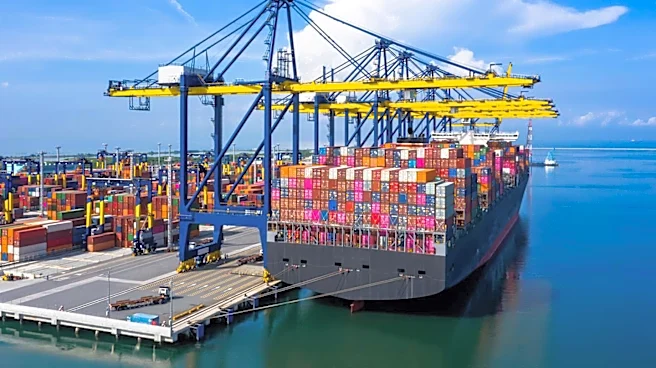
The Federal Maritime Commission (FMC) is investigating a scheme where unregistered foreign entities are misusing the corporate details and FMC license numbers of legitimate U.S.-based freight forwarders. According to John Crews, who leads the FMC’s Bureau
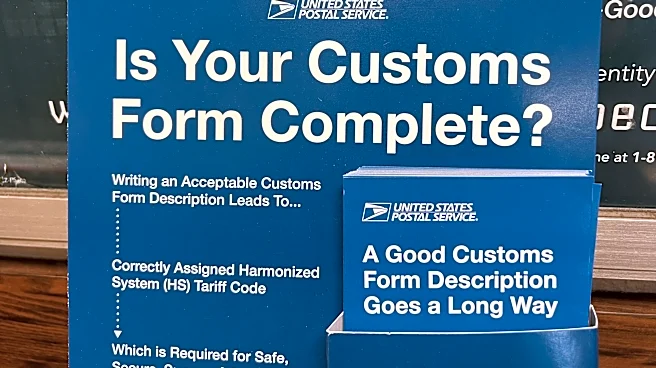
of Enforcement, Investigations, and Compliance, these foreign operators copy information from state Secretary of State records to bring shipments into the U.S. under false pretenses. While the cargo itself appears legitimate and duties are not being defrauded, the false information provided raises concerns. The FMC's Ocean Transportation Intermediary (OTI) list categorizes ocean freight forwarders, NVOCCs, and foreign-based NVOCCs, all of whom require licensing or registration and proof of financial responsibility. Foreign entities involved in this fraud could register with the FMC as foreign NVOCCs but instead choose to impersonate U.S.-based ones. This practice has led to confusion, with Crews stating he doesn't 'intuitively understand what the actor is getting out of it,' despite the considerable effort involved in the impersonation.
Why It's Important?
This fraudulent activity poses significant risks to U.S. freight forwarders and the integrity of the U.S. international ocean transportation system. Licensed U.S. forwarders whose names and license numbers are misused can face severe consequences, including shipper claims, inquiries from carriers and Customs and Border Protection (CBP), and reputational damage for cargo they never handled. This could lead to financial liabilities and operational disruptions for innocent businesses. Commissioner Daniel Maffei suggested a 'darker reading,' indicating that stolen domestic credentials could be a test run for introducing illicit goods into the U.S. supply chain. Chairman Laura DiBella expressed strong concern, stating it was 'beyond raising my Spidey senses that something very nefarious is behind all of it.' The situation highlights vulnerabilities in the system that could be exploited for more serious criminal activities, impacting national security and economic stability.
What's Next?
The FMC is coordinating with Customs and Border Protection (CBP) and alerting federal law enforcement agencies to address this issue. While statutory limits restrict the FMC's direct reach over non-regulated entities overseas, collaboration with other federal bodies is crucial for enforcement. The FMC advises licensed U.S. forwarders to be vigilant for red flags such as arrival notices, invoices, or customer inquiries about shipments they did not handle. They also recommend keeping FMC listings current, establishing agency agreements that prohibit the unauthorized use of company information, and reporting any suspected impersonation to the bureau. The issue is currently under active review, and there is a push from some commissioners for increased OTI enforcement. The FMC may consider measures similar to those taken in the trucking sector, which faced identity theft and double-brokering, leading to identity checks for new registrants and tighter surety bond rules.
Beyond the Headlines
The fraudulent use of FMC license numbers by foreign entities underscores a broader challenge in global supply chain security and regulatory oversight. The ease with which corporate details and license numbers can be co-opted points to potential weaknesses in verification processes. This incident could prompt a reevaluation of how international shipping credentials are managed and verified, potentially leading to more robust digital identity solutions or enhanced international cooperation among regulatory bodies. The lack of clear motivation for the fraudsters, beyond simply moving legitimate cargo, suggests that the underlying intent might be more complex or part of a larger, evolving strategy that could eventually involve more nefarious activities. This situation highlights the continuous need for vigilance and adaptation in regulatory frameworks to counter sophisticated forms of economic and potentially national security threats.