






What's Happening?
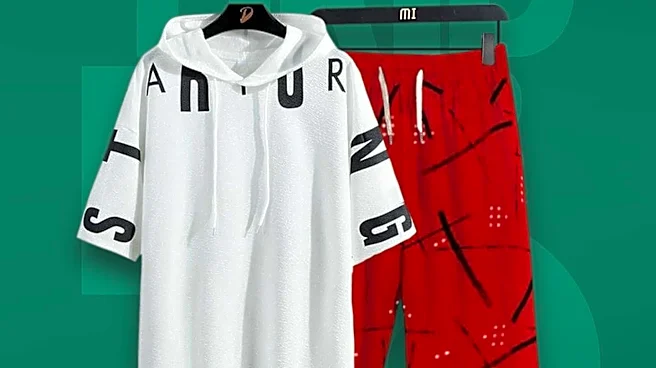
SHEIN, a prominent online fashion retailer, is guiding consumers on how to shop safely and critically evaluate product authenticity and quality. The company offers a vast array of styles, including dresses, tops, bottoms, and shoes, often with sales and discounts.
However, the nature of fast fashion and the marketplace model means that product quality and brand authenticity can vary significantly. SHEIN recommends using its official website or app for purchases and exercising caution with unexpected messages or external payment requests. Shoppers are advised to review product listings carefully, paying attention to brand, seller, and product details, especially if authenticity is a priority for specific brands. The platform also employs product testers who receive free clothing in exchange for reviews, contributing to the extensive feedback available on items. Critical evaluation of reviews, including comparing buyer photos with listing images and assessing comments on fit, fabric, and construction, is encouraged to manage expectations.
Why It's Important?
The guidance from SHEIN is important for U.S. consumers navigating the complexities of online fast fashion. The rapid production cycle, with companies like SHEIN introducing thousands of new styles daily, creates a market where quality and authenticity can be inconsistent. This impacts consumer trust and satisfaction, as well as the broader retail landscape. For consumers, understanding how to verify product details and shop securely can prevent financial loss and disappointment. For the fashion industry, the rise of ultra-fast fashion and the subsequent consumer need for critical evaluation highlight ongoing debates about sustainability, ethical production, and the impact on traditional retail models. The emphasis on official channels and careful review also underscores the challenges of intellectual property and brand protection in a globalized, digital marketplace where counterfeit goods can be prevalent.
What's Next?
Consumers are expected to continue adopting more critical shopping habits, utilizing the provided advice to make informed decisions on SHEIN and similar platforms. This could lead to a greater demand for transparency from fast fashion retailers regarding product sourcing, materials, and brand partnerships. The company may further refine its platform features to assist in verifying authenticity or highlighting product specifics. The broader fashion industry might see continued discussions and potential regulatory pressures regarding the environmental and labor practices associated with fast fashion. Additionally, the trend of product testing and user-generated reviews will likely grow, influencing how consumers perceive and purchase items online. The ongoing evolution of online shopping security measures will also be crucial to protect consumer data and financial information.
Beyond the Headlines
Beyond the immediate shopping experience, SHEIN's practices and the consumer guidance provided touch upon deeper societal and economic implications. The 'instant fashion' model, driven by algorithms tracking trends, signifies a significant shift in how fashion is created and consumed, moving away from traditional design houses to data-driven production. This model raises ethical questions about overconsumption, waste, and the environmental footprint of rapidly disposable clothing. The emphasis on critical review also highlights a growing consumer awareness and skepticism towards online product claims, fostering a more discerning online shopping culture. Furthermore, the competition between ultra-fast fashion and the resurgence of thrifting, as noted by fashion journalists, indicates a cultural tension between immediate, cheap gratification and sustainable, unique style. This dynamic could reshape consumer values and purchasing behaviors in the long term, influencing both the fast fashion giants and the secondhand market.