




What's Happening?
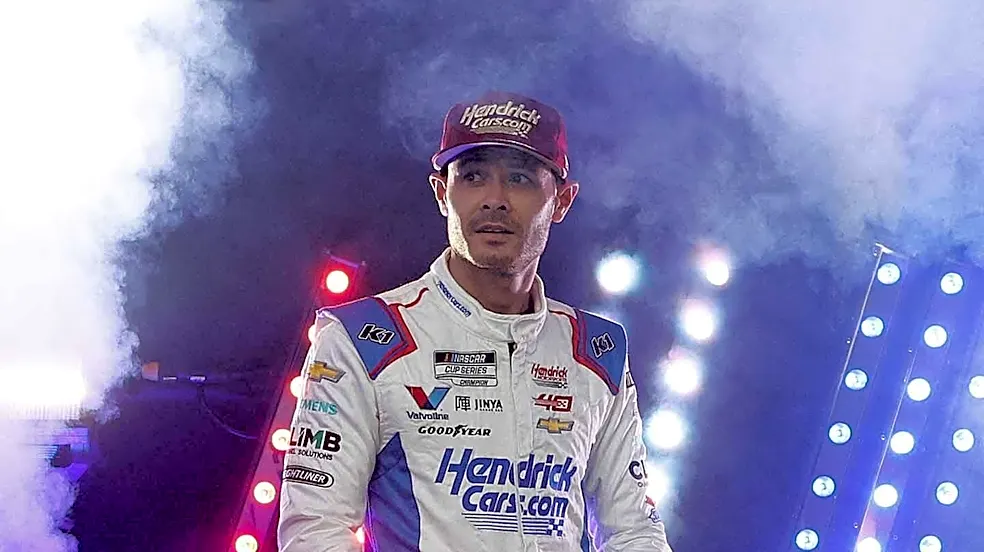
NASCAR experienced a season-low in TV viewership for its recent race at Phoenix Raceway, attracting an average of 1.294 million viewers. This figure is significantly lower than the 26 million viewers garnered by NFL games broadcast on CBS during the same
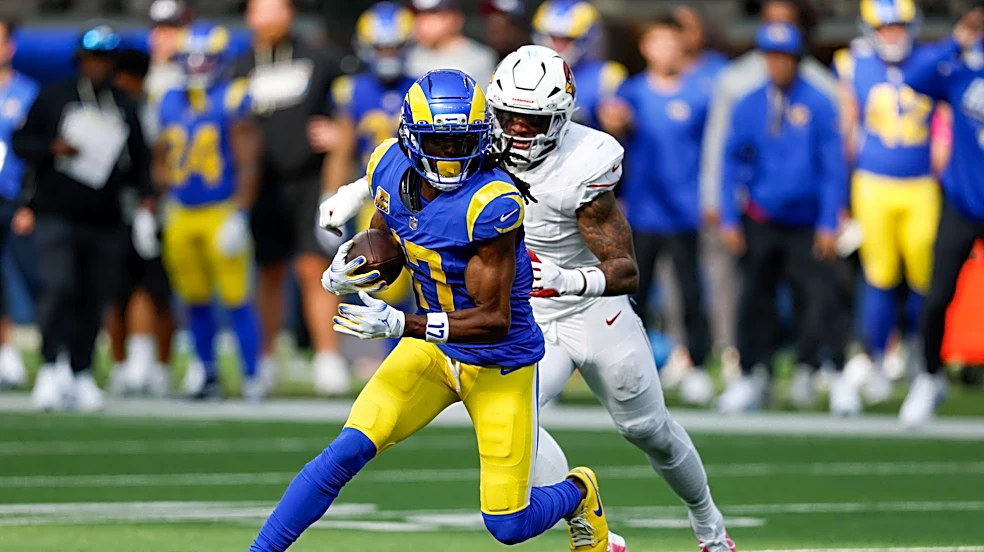
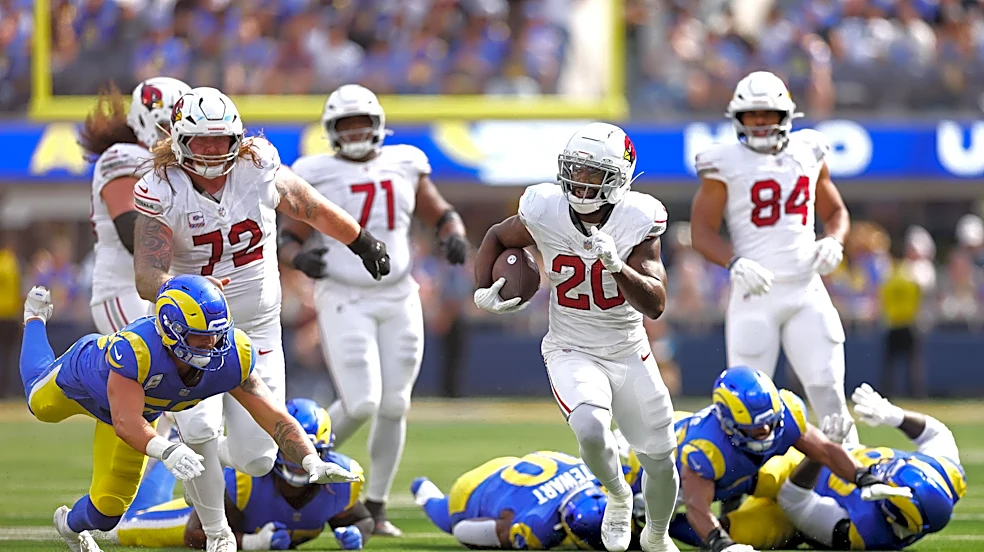
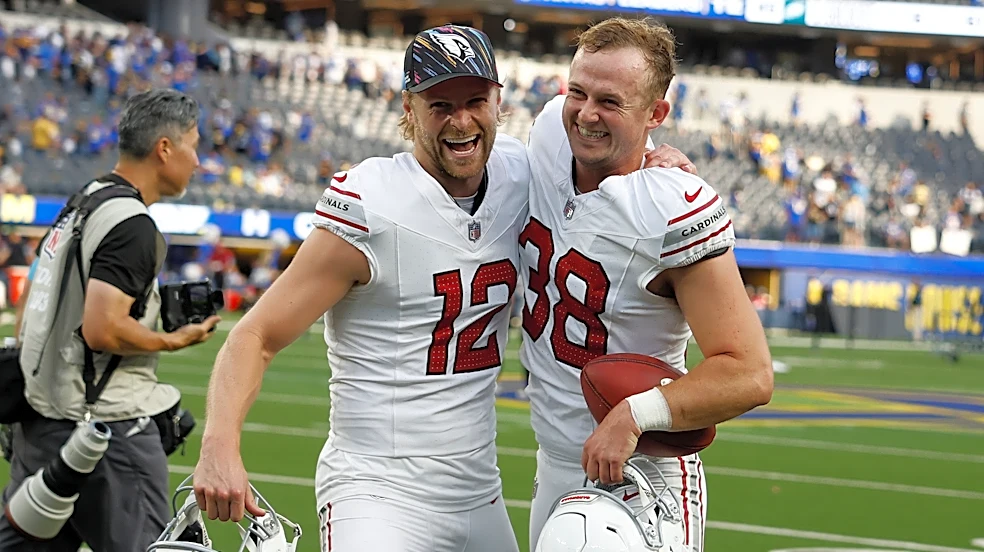
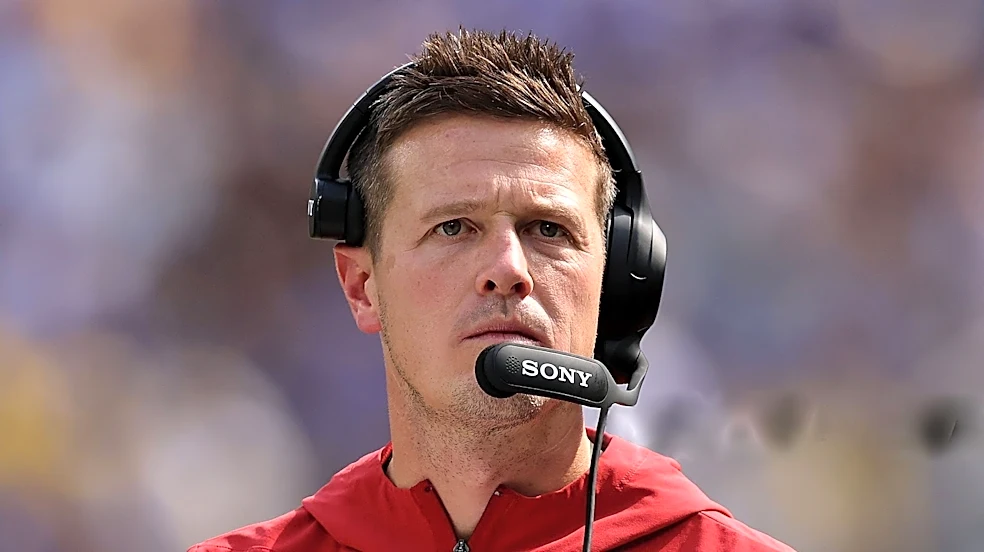
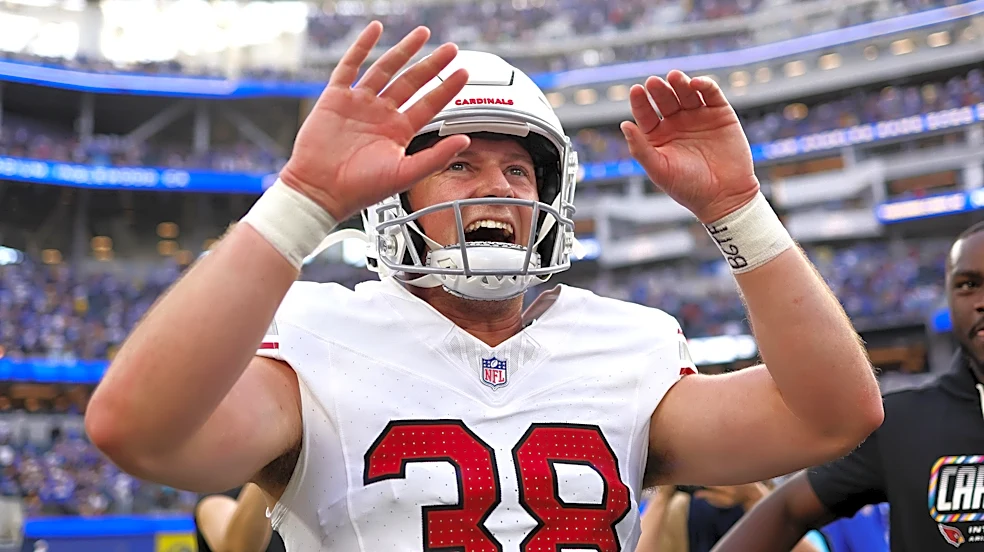
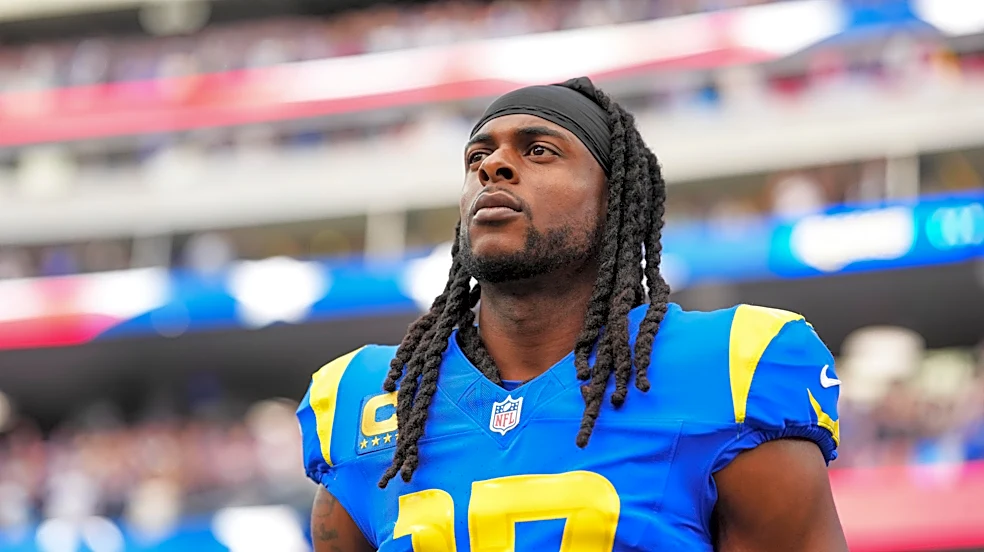
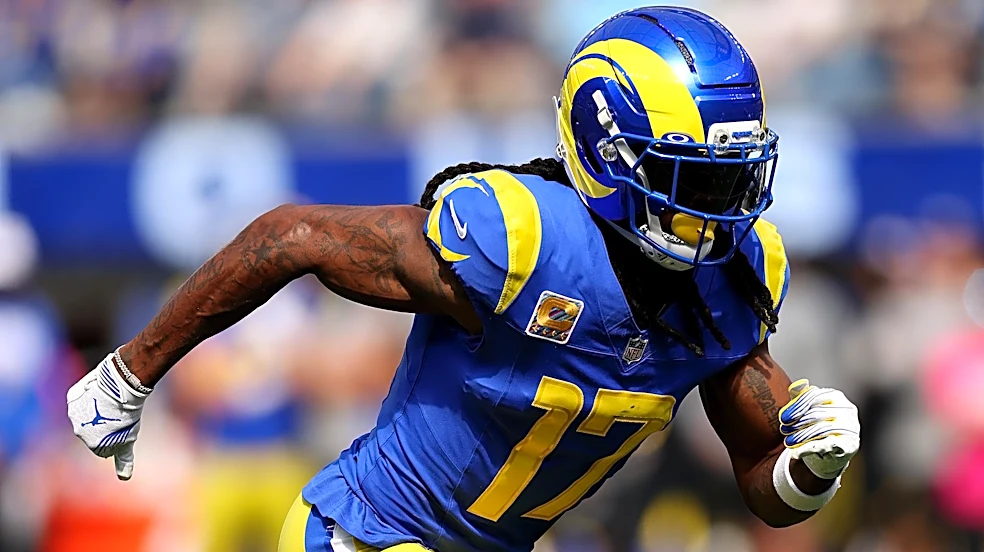
weekend. The local Arizona Cardinals' afternoon game against the Los Angeles Rams coincided with the NASCAR race, contributing to the viewership disparity. This trend has led to discussions within NASCAR about the viability of scheduling races directly against NFL broadcasts. Ben Kennedy, COO of NASCAR, acknowledged the challenge, stating, 'frankly, should we be going up against the NFL at this point of the year on every single Sunday? It’s a challenging proposition.' This sentiment is echoed by former driver Kenny Wallace, who suggested that NASCAR's season should conclude before the NFL season begins to avoid direct competition with the 'juggernaut' of American football.
Why It's Important?
The significant drop in NASCAR viewership when competing directly with the NFL highlights a critical challenge for the sport's economic sustainability and growth. Lower viewership numbers can impact advertising revenue, sponsorship deals, and overall fan engagement, which are vital for the financial health of NASCAR teams, tracks, and the league itself. The NFL's dominance in the American sports landscape makes it an almost insurmountable competitor for viewership, forcing other sports to strategically re-evaluate their scheduling. This situation could lead to substantial changes in NASCAR's calendar, potentially shifting races to different days of the week or earlier in the year. Such changes would have ripple effects on broadcast partners, track operations, and the routines of drivers and teams, necessitating a comprehensive strategic overhaul to protect and grow NASCAR's audience.
What's Next?
NASCAR is actively considering adjustments to its future scheduling, particularly regarding its 2032 inventory, start dates, and end dates, to minimize direct competition with the NFL. This reevaluation could lead to a significant restructuring of the NASCAR season, potentially moving races to different days or earlier in the year. The discussions indicate a strategic shift towards avoiding head-to-head matchups with the NFL, which has proven to be a dominant force in television viewership. Stakeholders, including team owners, track operators, and broadcast partners, will likely be involved in these discussions to ensure any changes are beneficial for the sport as a whole. The outcome of these deliberations will shape the future broadcast landscape and fan experience for NASCAR.
Beyond the Headlines
The viewership challenge faced by NASCAR against the NFL underscores a broader trend in the sports and entertainment industry: the increasing fragmentation of audiences and the intense competition for consumer attention. In an era where streaming services, social media, and a multitude of entertainment options vie for eyeballs, traditional sports leagues must constantly innovate their strategies. NASCAR's predicament highlights the power of established cultural phenomena like the NFL, which command immense loyalty and viewership. This situation could prompt NASCAR to explore more unconventional scheduling, such as mid-week races or double-headers, as suggested by Kenny Wallace, to create unique viewing opportunities. It also raises questions about the long-term viability of traditional broadcast models for sports and the potential for greater reliance on digital platforms to reach niche audiences and younger demographics.