
What's Happening?
Scout Motors CEO Scott Keogh has outlined ambitious production and reservation targets for the company's upcoming electric trucks and rugged SUVs. Keogh aims to ramp up annual production to 200,000 units
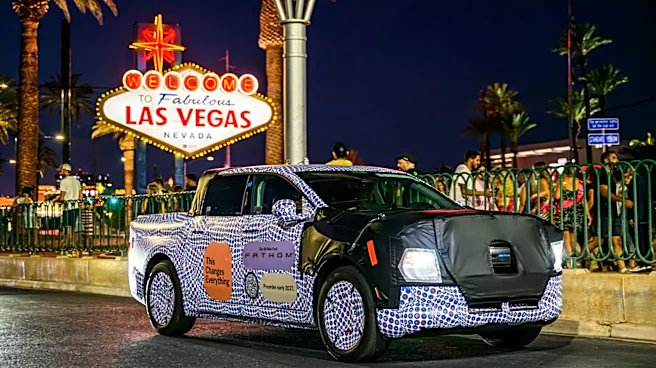
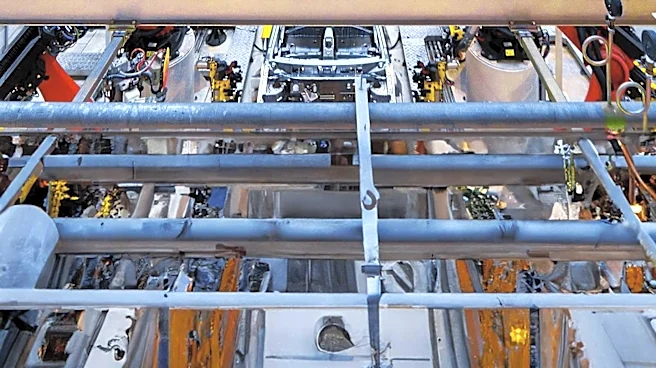
as quickly as possible, with a short-term goal of reaching 100,000 units annually to absorb fixed factory costs. The company is currently accepting $100 refundable fees for reservations, and Keogh is targeting 400,000 reservations by the time production begins, likely in 2028. This reservation goal would mean that only half of the reservations would need to convert into sales to account for a full year's production capacity. Scout Motors is building validation vehicles, a crucial step to refine the assembly process before customer deliveries commence. The brand, a Volkswagen Group entity, is developing modern electric and range-extended off-roaders inspired by the classic International Scout, with production planned for its new South Carolina factory.
Why It's Important?
Scout Motors' aggressive production and reservation targets highlight the competitive landscape of the electric vehicle (EV) market, particularly in the SUV and truck segments. Achieving 100,000 units annually is critical for the company to absorb the substantial fixed costs associated with its new manufacturing facility, which is essential for long-term financial viability. The strategy of securing 400,000 reservations before production starts aims to ensure a robust order book, mitigating risks associated with new market entrants. This approach could set a precedent for other EV startups looking to gauge market demand and secure initial sales. The company's focus on a built-in fanbase from the original International Scout could provide a unique advantage, potentially attracting customers who have been waiting for a modern iteration of the classic vehicle, thereby differentiating it from competitors like Rivian.
What's Next?
Scout Motors is currently in the process of building validation vehicles, which is a critical phase for identifying and resolving any manufacturing issues before full-scale production. The company anticipates delivering customer cars in 2028, suggesting that the next few years will involve intensive testing, refinement of the production line, and continued efforts to accumulate reservations. The success of these validation vehicles will directly impact the company's ability to meet its production timeline and quality standards. Furthermore, the conversion rate of the 400,000 targeted reservations into actual sales will be a key indicator of market acceptance and the brand's ability to sustain its production goals. The company will also need to manage customer expectations regarding delivery timelines to avoid losing reservation holders who may not want to wait until 2028.
Beyond the Headlines
The re-emergence of the Scout brand as an electric vehicle manufacturer taps into a growing trend of reviving classic automotive names with modern, sustainable powertrains. This strategy leverages nostalgia and an existing loyal fanbase, potentially creating a strong emotional connection with consumers that newer EV brands might struggle to achieve. The emphasis on 'real buttons and knobs' and the availability of a gasoline range extender suggest a deliberate effort to appeal to a broader audience, including those who may be hesitant about fully electric vehicles or prefer traditional vehicle interfaces. This approach could influence future EV designs, encouraging a balance between advanced technology and user-friendly, familiar controls. The brand's success in attracting customers outside traditional EV strongholds like California also indicates a potential shift in EV adoption patterns across different regions of the U.S.