

What's Happening?
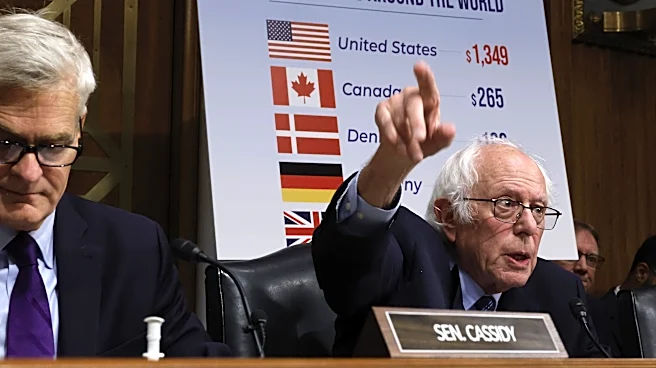
Novo Nordisk, a pharmaceutical company known for its dominant position in obesity and diabetes treatments with drugs like Wegovy and Ozempic, is navigating a competitive market landscape. The company faces significant pricing pressures in the United States,
where government and private payers demand discounts on high-cost chronic medications. Additionally, Novo Nordisk is contending with the emergence of generic competitors and advancements from rivals such as Eli Lilly & Co. and Pfizer Inc. in developing new weight-loss drugs. Despite the successful introduction of a once-a-day Wegovy pill in the U.S. and a patent on injectable Ozempic/Wegovy until 2032, analysts project a potential decline in sales by approximately 3% and a 4% contraction in net income for fiscal year 2026 due to these pricing pressures. The company's strategy involves continuous manufacturing expansion to meet global demand for its key products.
Why It's Important?
Novo Nordisk's challenges highlight broader trends within the U.S. pharmaceutical industry, particularly concerning the pricing and market dynamics of high-demand chronic disease medications. The pressure from government and private payers for discounts on drugs like Wegovy and Ozempic reflects ongoing efforts to control healthcare costs, which can impact pharmaceutical companies' revenue and profitability. The intense competition from other major pharmaceutical firms, especially in the rapidly evolving weight-loss drug market, underscores the need for continuous innovation and strategic market positioning. For U.S. consumers, these competitive pressures could eventually lead to more affordable treatment options, while for investors, it signals a period of potential volatility and the need to assess long-term growth strategies amidst market shifts and regulatory scrutiny.
What's Next?
Novo Nordisk is expected to continue its efforts to expand manufacturing capacity to meet the global demand for its blockbuster drugs. The company will likely focus on leveraging its existing patents, such as the one for injectable Ozempic/Wegovy until 2032, to maintain its market share. However, it will also need to address the anticipated sales and net income decline in fiscal year 2026 by potentially introducing new products or adjusting its pricing strategies in response to competitive pressures and government negotiations. The pharmaceutical landscape will see continued innovation from competitors like Eli Lilly, which could further intensify the race for superior weight-loss treatments. Long-term, analysts anticipate Novo Nordisk to reverse the projected 2026 decline and resume growth as new products are brought to market.
Beyond the Headlines
The situation with Novo Nordisk extends beyond immediate financial performance, touching upon the ethical and economic dimensions of pharmaceutical pricing and access to life-changing medications. The pressure to lower drug prices, particularly for chronic conditions like obesity and diabetes, reflects a societal debate about the balance between pharmaceutical innovation, corporate profitability, and public health affordability. The intense competition in the weight-loss drug market also highlights the significant public health challenge posed by obesity and the immense commercial potential for effective treatments. This dynamic could lead to long-term shifts in how pharmaceutical companies develop, price, and market drugs for chronic diseases, potentially influencing healthcare policy and patient access in the U.S. for years to come.