





What's Happening?
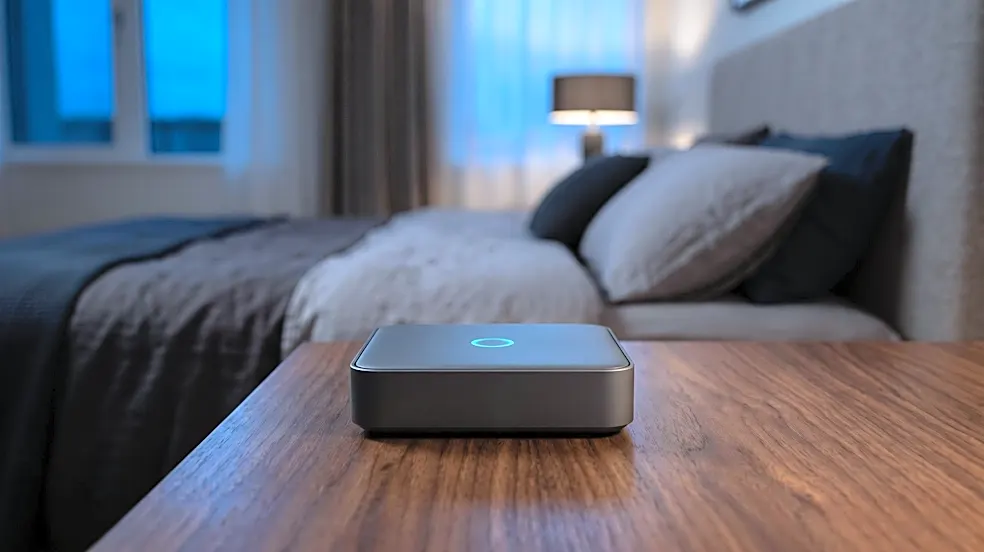
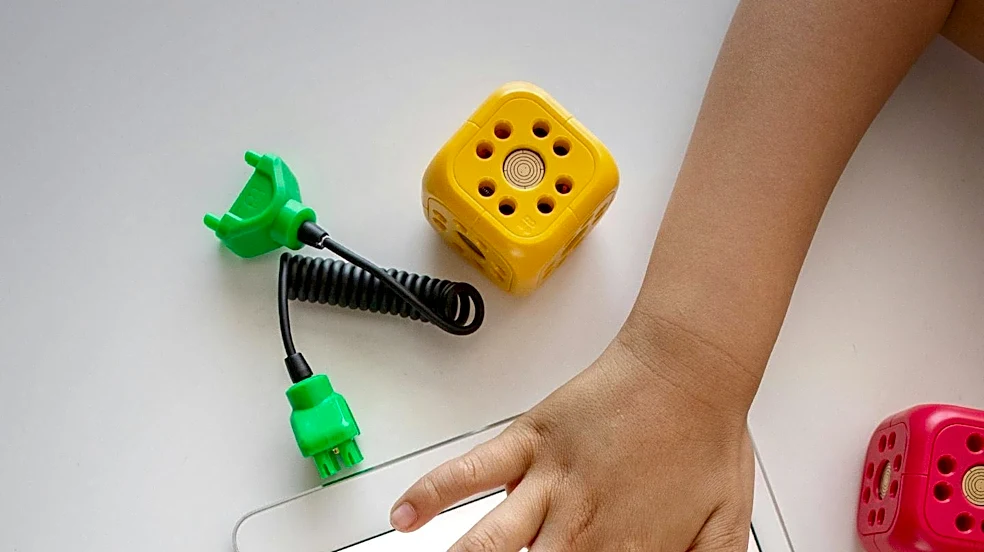
Brick, a company known for its app-blocking devices, has launched a new product called Brick Night. This device is designed to automatically block selected smartphone applications when a user enters their bedroom, aiming to promote better sleep. The Brick Night operates
by using Bluetooth signal strength to detect when a phone is within a defined bedroom space, up to 25 by 25 feet. Users configure custom modes within the Brick app, choosing which applications to block and for what duration. Once activated, the device automatically blocks these apps, and unblocks them when the user leaves the designated area. The device is battery-powered, with batteries lasting at least two years, and is compatible with both iOS and Android devices. It is available for $129.
Why It's Important?
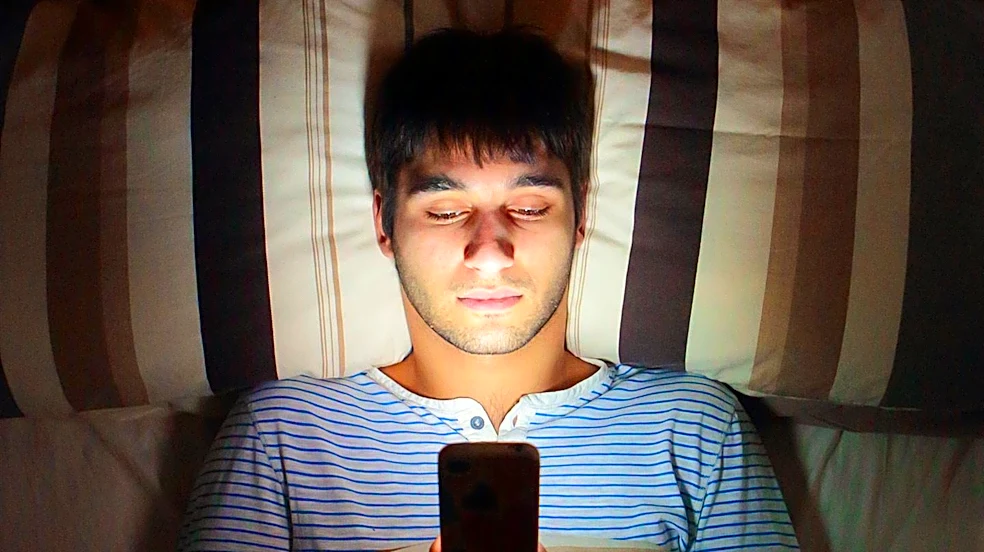
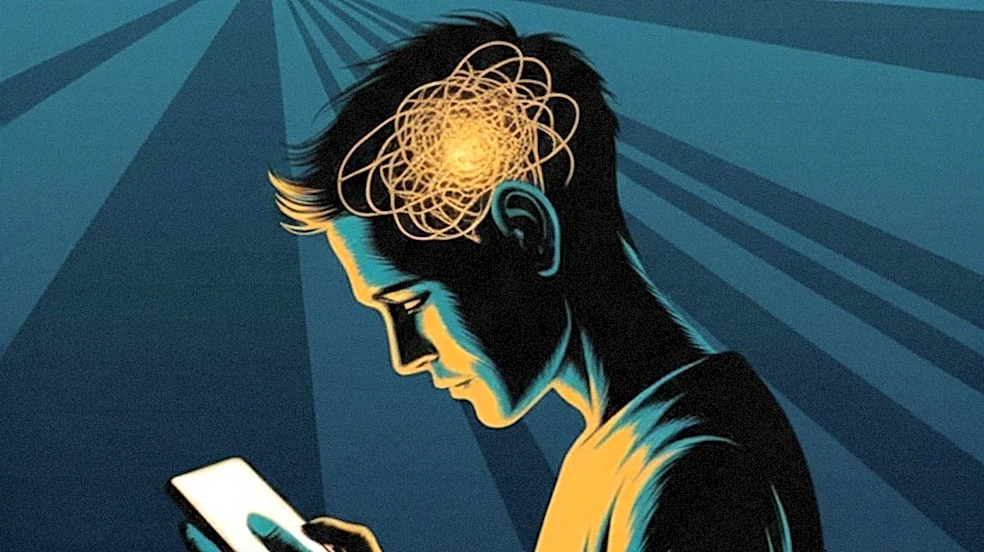
The introduction of Brick Night addresses a significant public health concern: the impact of smartphone use on sleep quality. Studies indicate that 87% of U.S. adults sleep with their phones in their bedrooms, and screen time in bed is linked to poorer sleep. By providing a physical and automated solution to curb late-night scrolling, Brick Night offers a practical tool for individuals seeking to improve their sleep hygiene and overall well-being. This device highlights a growing market for technology designed to mitigate the negative effects of other technologies, particularly in the realm of digital wellness and mindfulness. It could influence consumer behavior by encouraging a more deliberate separation between digital engagement and rest, potentially leading to broader discussions about screen time management and its societal implications.
What's Next?
The success of Brick Night could lead to increased adoption of similar location-based app-blocking technologies, potentially inspiring other companies to develop comparable solutions. As awareness of the negative impacts of excessive screen time grows, demand for such devices may rise. Brick may also explore expanding the device's capabilities to other 'no-scroll zones' beyond the bedroom, such as study areas or family spaces. Furthermore, the data collected from Brick Night usage could provide valuable insights into smartphone habits and their correlation with sleep patterns, potentially informing future research and public health initiatives aimed at improving digital wellness. The company's existing product, 'Brick,' which requires physical tapping to unblock apps, offers a different approach, and the market will likely determine which method resonates more with consumers.
Beyond the Headlines
Brick Night's approach to digital well-being touches upon deeper societal implications regarding our relationship with technology and the boundaries we set for its use. The device externalizes the discipline of putting away one's phone, transforming a personal struggle into an environmental control. This raises questions about individual agency versus technological intervention in managing digital habits. It also highlights the increasing recognition that digital detox is not merely a lifestyle choice but a necessity for mental and physical health in an always-on world. The device could spark conversations in households about establishing tech-free zones and times, fostering healthier digital habits from a young age. Ultimately, Brick Night represents a tangible step towards reclaiming personal space and time from the pervasive influence of smartphones, promoting a more balanced digital life.