








What's Happening?
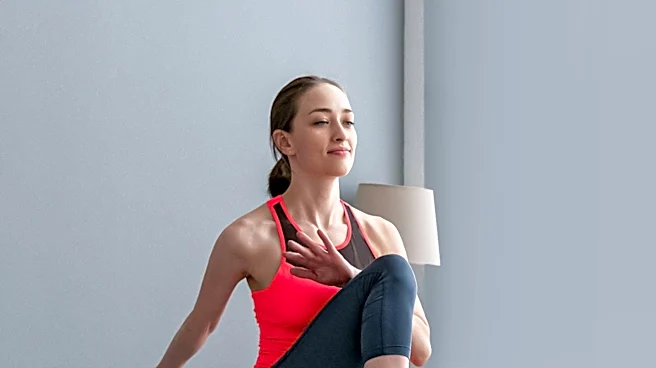
A new mobile application, 'Postpartum Recovery Workouts,' has been launched, offering a 30-day at-home program designed for mothers to rebuild core strength, improve posture, and strengthen the pelvic floor after pregnancy. The program emphasizes gentle,
progressive exercises, including guided core exercises, pelvic-floor training, diaphragmatic breathing, mobility, and full-body strengthening. Each daily session is brief, lasting only 5–10 minutes, and requires no special equipment, making it accessible for busy mothers. The app aims to help women reconnect with deep abdominal muscles, build pelvic-floor strength and confidence, and support overall postpartum recovery. It also focuses on strengthening key muscles for posture and back support. Users are advised to consult a healthcare professional before starting any postpartum exercise, especially after a C-section or complicated delivery.
Why It's Important?
This app addresses a significant need within the U.S. healthcare and wellness landscape for accessible and structured postpartum recovery resources. Many new mothers struggle to find time and appropriate guidance for physical rehabilitation after childbirth, which can lead to long-term health issues such as chronic back pain, pelvic floor dysfunction, and core weakness. By providing a convenient, at-home, and equipment-free program, the app lowers barriers to entry for postpartum fitness. This can lead to improved physical health outcomes for mothers, potentially reducing the burden on healthcare systems for treating preventable postpartum complications. The emphasis on gradual progression and professional consultation also promotes safer recovery practices, benefiting both individual users and public health initiatives focused on maternal well-being.
What's Next?
The app's success will likely depend on its adoption rate among new mothers and the effectiveness of its program in delivering tangible results. Future developments could include integration with wearable fitness trackers, personalized coaching options, or community features to foster support among users. The app's creators may also explore partnerships with healthcare providers or insurance companies to expand its reach and potentially offer it as a recommended resource for postpartum care. Continued emphasis on medical consultation before starting the program will be crucial for maintaining user safety and credibility. The trend towards digital health solutions suggests that similar apps and online programs for specialized fitness needs will continue to emerge, catering to specific demographics like postpartum mothers.
Beyond the Headlines
The rise of specialized fitness apps like 'Postpartum Recovery Workouts' reflects a broader societal shift towards personalized and accessible health solutions, particularly for underserved or time-constrained populations. It highlights the increasing recognition of postpartum health as a critical, yet often overlooked, aspect of women's wellness. This development also underscores the potential of technology to bridge gaps in traditional healthcare, offering support and guidance that might otherwise be inaccessible due to cost, location, or time constraints. Ethically, the app's recommendation for users to consult healthcare professionals before starting is vital, as it acknowledges the diverse and complex recovery needs of individuals after childbirth, promoting responsible use of digital health tools.