





What's Happening?
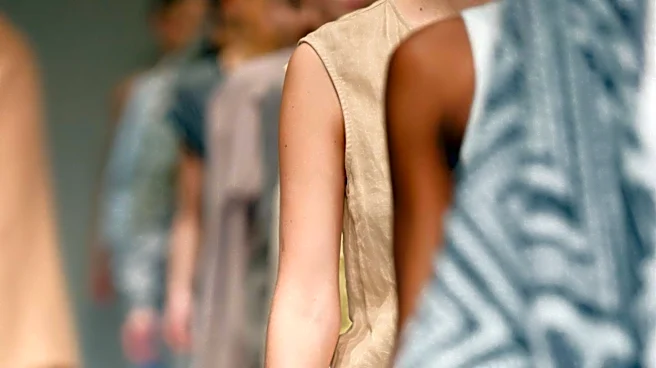
Copenhagen Fashion Week has emerged as a prominent event in the global fashion calendar, distinguishing itself from traditional fashion capitals by emphasizing creative design, everyday wearability, and a strong commitment to responsible choices. Held
in Denmark’s capital, the event showcases Scandinavian designers and brands known for their clean designs, practical clothing, and bold styling. A core aspect of Copenhagen Fashion Week is its focus on sustainability, with requirements for participating brands to integrate environmental and social practices into their work. This approach has attracted international attention from designers, editors, buyers, and style enthusiasts seeking a different kind of runway experience. The event provides a platform for both established and emerging designers, fostering new ideas and perspectives within the fashion industry. Unlike some fashion weeks centered on luxury heritage, Copenhagen Fashion Week has cultivated an identity rooted in modern Scandinavian design, prioritizing functional and adaptable clothing for daily life.
Why It's Important?
Copenhagen Fashion Week's rise signifies a notable shift in the global fashion industry, moving beyond traditional luxury and towards more practical, sustainable, and individually expressive styles. Its emphasis on responsible choices and environmental practices sets a precedent for other fashion events and brands, encouraging a broader industry dialogue on production, waste, materials, and consumption habits. This focus on sustainability is crucial as the fashion industry faces increasing scrutiny over its environmental impact. By promoting designers who balance creativity with ethical considerations, Copenhagen Fashion Week influences consumer demand for more conscious fashion. The event also highlights the growing importance of regional fashion hubs outside the established 'big four' (Paris, Milan, London, New York), demonstrating that innovation and influence can originate from diverse cultural contexts. This decentralization of fashion power can lead to a more varied and inclusive global fashion landscape, offering fresh perspectives and challenging conventional beauty standards.
What's Next?
The future of Copenhagen Fashion Week will likely involve continued leadership in sustainable fashion, pushing brands to further integrate responsible practices. As the industry evolves, the event is expected to remain a vital platform for designers who challenge traditional norms, particularly in areas of sustainability, technology, and consumer behavior. Its success will depend on how effectively organizers and participating brands adapt to changing expectations and leverage its unique identity that connects design with real-life style. The event's influence may also continue to grow as more consumers and industry professionals seek out fashion that aligns with values of practicality, individuality, and environmental consciousness. This could lead to increased international participation and a broader adoption of its core principles by other fashion weeks and brands globally, further solidifying its role as a trendsetter in responsible and accessible fashion.
Beyond the Headlines
Beyond its immediate impact on fashion trends, Copenhagen Fashion Week's success reflects a deeper cultural shift towards authenticity and conscious consumption. The event's celebration of street style, where individuals create unique looks by mixing vintage, luxury, and streetwear, underscores a growing desire for personal expression over adherence to fleeting micro-trends. This emphasis on individuality and the 'story behind the clothing' challenges the fast-fashion model and encourages a more thoughtful approach to wardrobe building. Ethically, the event's sustainability requirements push the boundaries of corporate responsibility within a notoriously resource-intensive industry. It suggests a long-term trajectory where fashion is not just about aesthetics but also about values, transparency, and the broader societal and environmental impact of production and consumption. This could lead to a re-evaluation of what constitutes 'luxury' in fashion, shifting from exclusivity to ethical craftsmanship and enduring design.