







What's Happening?
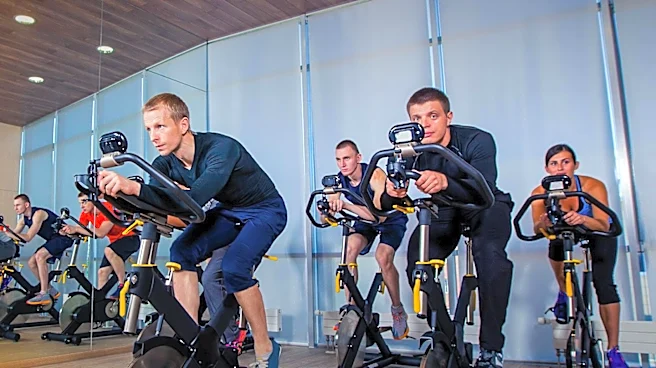
A debate is ongoing within the cycling community regarding the merits and drawbacks of indoor cycling, particularly with the rise of virtual platforms like Zwift. While some cyclists, like those at Cyclingnews, find indoor training convenient, structured,
and safe, allowing for precise planning and competitive racing, others express strong aversion. Critics argue that indoor cycling lacks the sensory experiences of outdoor riding, such as wind, varied terrain, and the social dynamics of a peloton. Some long for the days when indoor training was a necessity for focused interval work rather than a gamified experience. The discussion highlights a divide between those who prioritize competitive fitness gains and efficiency, and those who value the immersive, adventurous, and social aspects of traditional outdoor cycling. The article explores various perspectives, from those who find it boring and prefer staring at a wall for resistance, to those who appreciate its ability to build fitness quickly and comprehensively.
Why It's Important?
This debate is important because it reflects a significant shift in cycling culture and technology's role in sports. The increasing popularity of indoor cycling platforms impacts how cyclists train, interact, and perceive the sport. For the cycling industry, this means a growing market for smart trainers, virtual reality cycling apps, and related accessories, influencing product development and marketing strategies. For athletes, the choice between indoor and outdoor training can affect skill development, as indoor cycling may build aerobic fitness but not necessarily bike handling or group riding etiquette. Socially, it raises questions about the evolving nature of community within sports, as virtual interactions supplement or replace in-person group rides. The discussion also touches on the accessibility of cycling, as indoor options can provide a safer and more convenient alternative for those facing time constraints, bad weather, or safety concerns on roads.
What's Next?
The trend of indoor cycling is likely to continue evolving, with further advancements in virtual reality, gamification, and interactive training platforms. Manufacturers will likely continue to innovate smart trainers and accessories to enhance the indoor experience, potentially addressing some of the current criticisms by offering more immersive and realistic simulations. We may see a continued divergence in the cycling community, with some embracing indoor cycling as a primary training method and others maintaining a purist stance for outdoor riding. Hybrid approaches, where cyclists use indoor training to supplement outdoor rides, are also expected to become more common. The industry may also focus on integrating outdoor and indoor cycling data more seamlessly to provide a holistic training experience. Furthermore, discussions around the impact of virtual training on real-world cycling skills and community dynamics will likely persist and deepen.
Beyond the Headlines
Beyond the immediate debate, the rise of indoor cycling touches upon broader themes of human interaction with technology and the commodification of experience. The desire for efficiency and measurable progress, often facilitated by technology, contrasts with the intrinsic value placed on sensory experience and organic social connection in traditional sports. This shift could lead to a redefinition of what it means to be a 'cyclist,' potentially creating sub-cultures based on preferred riding environments. There are also implications for urban planning and infrastructure, as increased indoor cycling might reduce demand for certain types of outdoor cycling infrastructure, or conversely, inspire more people to take up cycling outdoors after gaining fitness indoors. Ethically, the gamification of exercise raises questions about motivation and the potential for technology to create a less authentic or more isolated athletic experience, even while offering undeniable benefits in terms of accessibility and data-driven training.