





What's Happening?
The luxury market is undergoing a significant transformation, moving away from a focus on material possessions towards prioritizing meaningful experiences. Wealthy consumers are increasingly seeking out luxury that provides a sense of feeling, connection,
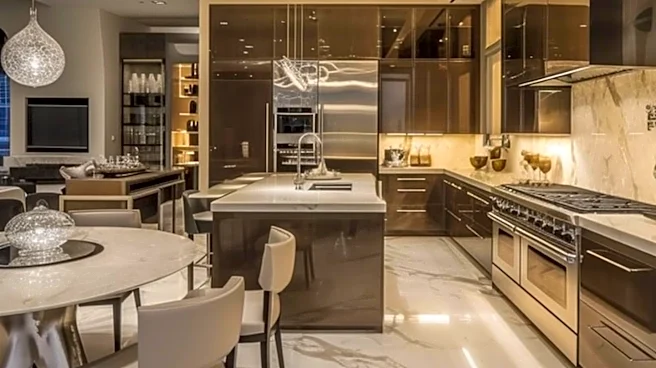
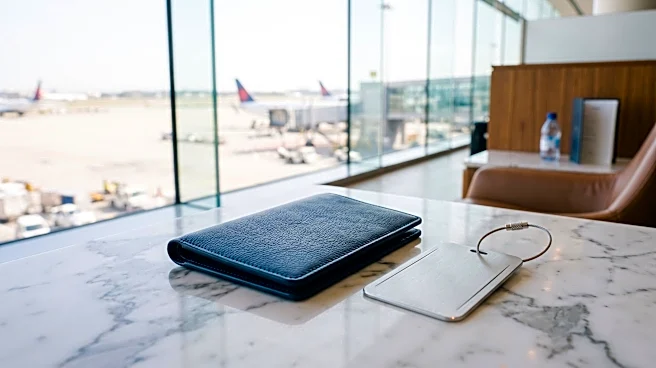
and personal narrative, rather than just the object itself. This shift is evident in the growing demand for exclusive travel, private dining, luxury homes, and wellness retreats. Brands are recognizing that understanding consumer insights is crucial for success, as traditional assumptions about luxury are no longer sufficient. The rise of 'quiet luxury,' where subtle taste signaling replaces overt branding, further underscores this change. This evolution means that competition for luxury brands now extends beyond direct product rivals to include a broader range of experience providers, such as high-end restaurants and wellness services. The emphasis is now on building comprehensive 'worlds' around products and fostering ongoing relationships with customers.
Why It's Important?
This paradigm shift in the luxury market has profound implications for U.S. industries and economic stakeholders. For luxury brands, it necessitates a re-evaluation of their marketing strategies, product development, and customer engagement models. Companies that fail to adapt to this experience-driven demand risk losing market share to more agile competitors. The hospitality, travel, and wellness sectors stand to gain significantly, as they are inherently positioned to offer the 'feelings' and 'experiences' that affluent consumers now covet. This trend also highlights the increasing importance of data analytics and consumer insights in business, as understanding the nuanced desires of a discerning clientele becomes paramount. Furthermore, the emphasis on 'quiet luxury' could influence design trends across various sectors, promoting understated elegance and quality over ostentatious displays. This shift could also lead to a more sustainable luxury market, as experiences often have a lower environmental footprint than the continuous production of new goods.
What's Next?
In response to these evolving consumer preferences, luxury brands are expected to further invest in creating immersive and personalized experiences. This could manifest as more exclusive events, bespoke services, and integrated lifestyle offerings that extend beyond their core products. Collaborations between traditional luxury goods manufacturers and experience providers (e.g., a luxury car brand partnering with a high-end travel agency) are likely to become more common. The focus on wellness and personal enrichment will also drive innovation in these sectors, with new luxury services and products emerging to cater to these demands. Brands will increasingly leverage advanced consumer insights to tailor their offerings, moving towards hyper-personalization. The real estate market, particularly in the luxury segment, will likely see continued growth in demand for homes that offer unique amenities and experiences, such as integrated wellness facilities or access to exclusive communities. The competitive landscape will broaden, pushing companies to innovate not just in product design, but in the entire customer journey and emotional connection.
Beyond the Headlines
The shift from ownership to experience in luxury consumption reflects broader societal changes, including a growing emphasis on well-being, personal growth, and the pursuit of authenticity. This trend suggests a deeper cultural re-evaluation of what constitutes 'value' among affluent individuals, moving beyond material accumulation to intangible benefits. Ethically, this could encourage brands to focus on the quality and impact of their services rather than solely on the volume of goods sold, potentially fostering more responsible consumption patterns. Legally, the increasing complexity of experiential offerings might lead to new challenges in intellectual property and service agreements. Culturally, it signifies a maturation of the luxury market, where discernment is demonstrated through curated experiences and subtle expressions of taste, rather than overt displays of wealth. This evolution could also influence how success and status are perceived, with 'richness' being defined not just by what one owns, but by the quality and breadth of one's life experiences.