






What's Happening?
The global food processing equipment market is undergoing a structural transformation, with demand increasingly shaped by the need for automation, flexibility, and supply chain resilience. The market is projected to grow at a Compound Annual Growth Rate
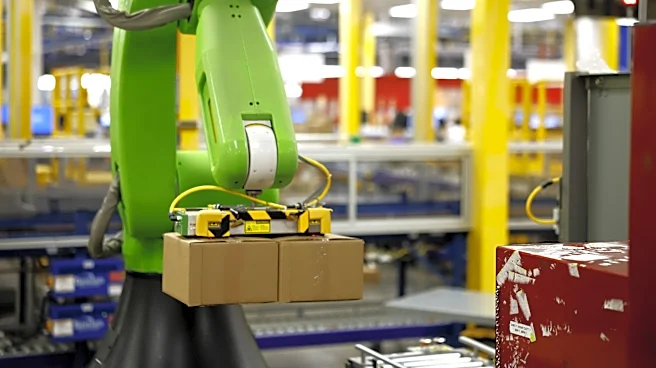
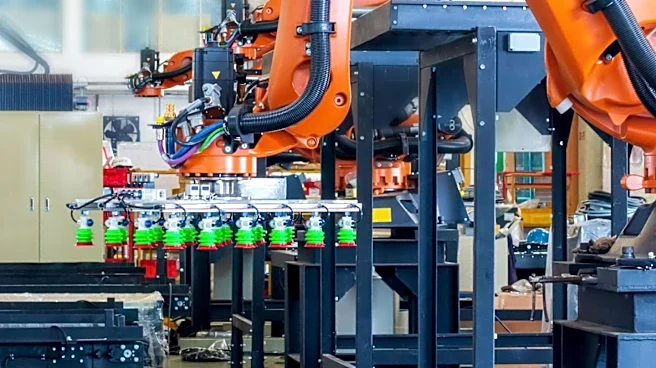
(CAGR) of approximately 5-6% from 2026 to 2035. Key drivers include rising labor costs, workforce scarcity, and a growing demand for processed and convenience foods. Manufacturers are investing in modular, digitally enabled systems that can handle multiple products with minimal changeover. Major trends include modular equipment design, rapid changeover features, and the integration of recipe management software. The market is bifurcating, with full-line Original Equipment Manufacturers (OEMs) leveraging scale and service networks, while specialized technology leaders focus on niche applications. Geographically, North America is a mature market focusing on automation, efficiency, and food safety, with replacement demand and upgrades to flexible lines being key drivers.
Why It's Important?
This growth in the food processing equipment market is vital for the U.S. food industry, which faces persistent labor shortages and evolving consumer preferences. The adoption of automation and flexible equipment allows U.S. food manufacturers to maintain competitiveness, improve efficiency, and adapt to rapidly changing market demands, such as the rise of plant-based alternatives and diverse product offerings. Investing in advanced equipment also helps meet stringent food safety and traceability regulations, which are critical for consumer trust and market access. For U.S. businesses, this trend means opportunities for equipment suppliers to innovate with software and service offerings, and for food producers to enhance their operational resilience and reduce costs associated with labor and energy. The focus on modular design and rapid changeover capabilities is particularly important for catering to shorter product lifecycles and small batch production, which are increasingly common in the U.S. food market.
What's Next?
The market is expected to see continued investment in automation, particularly in areas like mixing, forming, baking, and packaging lines. The integration of IoT for predictive maintenance and digital twins for process optimization will become more widespread. There will be a sustained demand for energy-efficient technologies, especially in thermal processing equipment, to reduce operating costs and meet sustainability goals. The rise of e-commerce and direct-to-consumer brands will further accelerate the demand for agile processing solutions capable of frequent changeovers and small batch sizes. Equipment suppliers will likely focus on providing integrated solutions that combine hardware, software, and services, offering turnkey modernization with measurable Return on Investment (ROI). The U.S. market will continue to prioritize upgrades to flexible lines and replacement of aging assets to enhance efficiency and food safety.
Beyond the Headlines
The transformation of the food processing equipment market has broader implications for the U.S. food system. The push for automation and advanced technology can lead to a more resilient and efficient food supply chain, reducing waste and improving food security. However, it also raises concerns about the impact on employment in traditional food manufacturing roles and the need for a skilled workforce capable of operating and maintaining these sophisticated systems. The emphasis on hygienic design and traceability, driven by regulatory pressures, will likely lead to higher standards across the industry, benefiting public health. Furthermore, the ability of equipment to handle diverse product formulations, including plant-based alternatives, reflects a significant cultural and dietary shift in the U.S., influencing agricultural practices and consumer choices. This technological evolution is not just about machines but about shaping the future of food production and consumption.