





What's Happening?
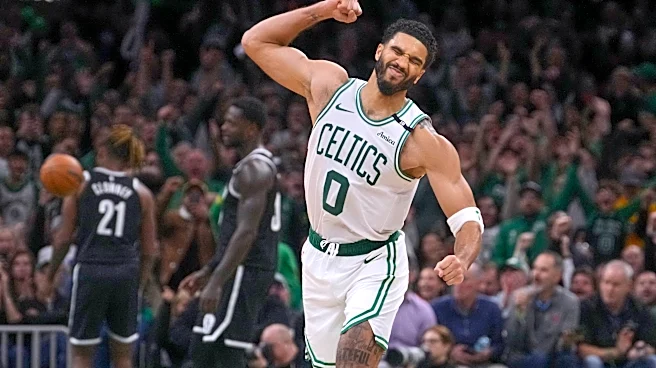
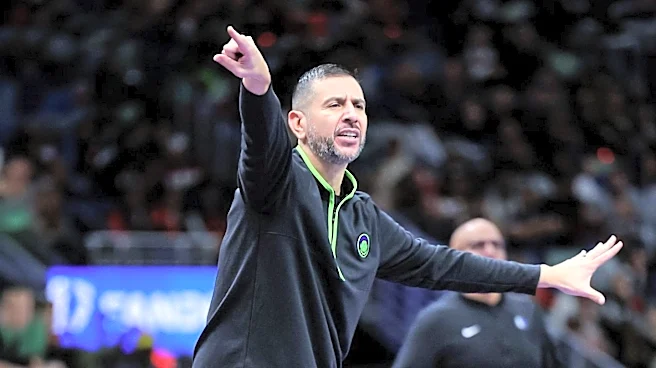
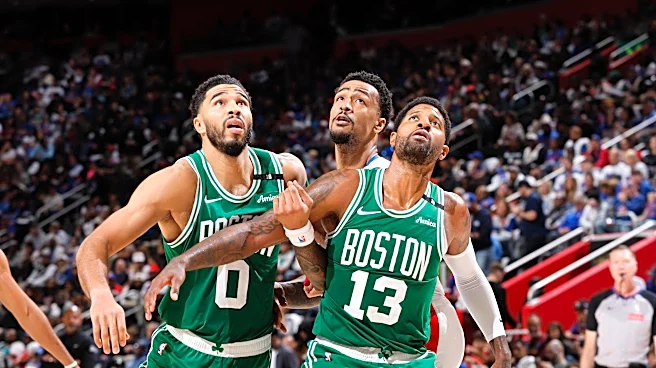
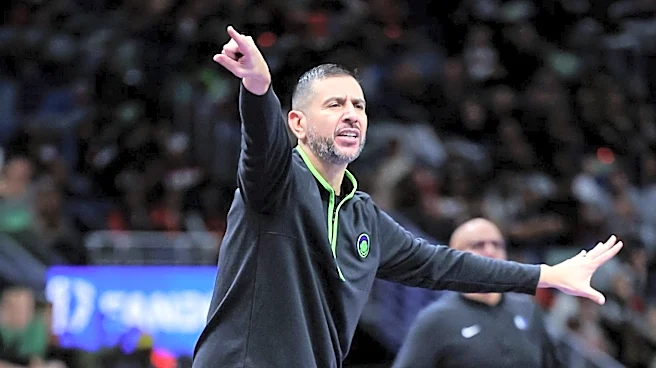
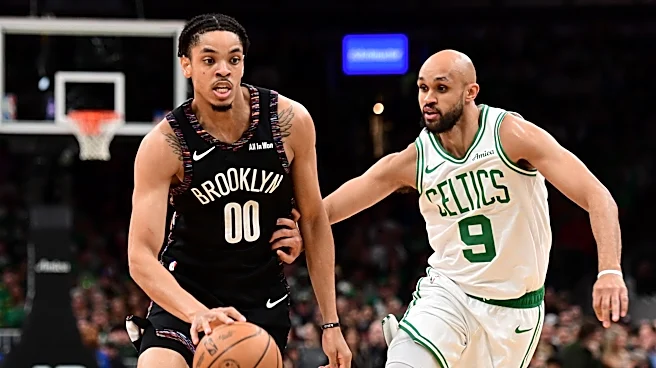
Boston Celtics head coach Joe Mazzulla defended his team's strategic fouling decisions during a recent game against the Brooklyn Nets, which culminated in a game-winning shot by Jayson Tatum. The Celtics secured a tough victory, but the game was marked
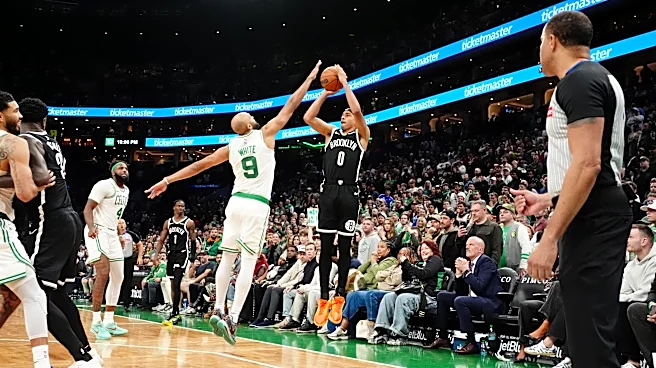
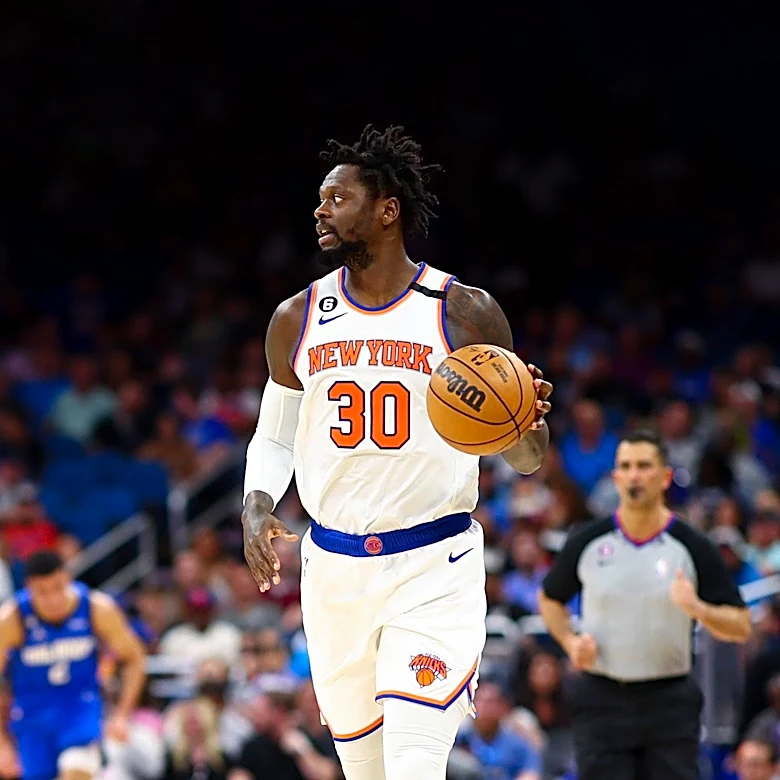
by several debatable plays, particularly in the final moments. One key incident involved Derrick White intentionally fouling Mikel Brown Jr. while the Celtics were up by five points. Mazzulla acknowledged the debate surrounding fouling strategies, stating that data on fouling up by three points is '50-50' and that fouling, even when up by five, introduces more variables. Another critical moment occurred when Neemias Queta committed a sixth foul on Julius Randle while attempting to rebound a missed free throw by Tatum, a play Mazzulla later sarcastically attributed to 'great teamwork' and 'unselfish' play. This foul led to Mitchell Robinson entering the game and subsequently missing two crucial free throws, allowing the Nets to tie the game and force overtime.
Why It's Important?
This incident highlights the high-stakes decision-making inherent in professional basketball coaching, particularly in close game situations. Mazzulla's defense of his strategy, despite the chaotic sequence of events, underscores the complex balance between calculated risk and potential negative outcomes. The reliance on 'math games' and data in critical moments reflects a growing trend in sports analytics, where coaches attempt to optimize outcomes based on statistical probabilities. However, the game also demonstrated that human error and unpredictable player actions can quickly unravel even the most well-intentioned strategies. The controversy surrounding the fouls and missed free throws could impact team morale and public perception, especially if similar situations arise in future high-pressure games. For players like Neemias Queta and Mitchell Robinson, these moments can be significant learning experiences, emphasizing the importance of situational awareness and execution under pressure.
What's Next?
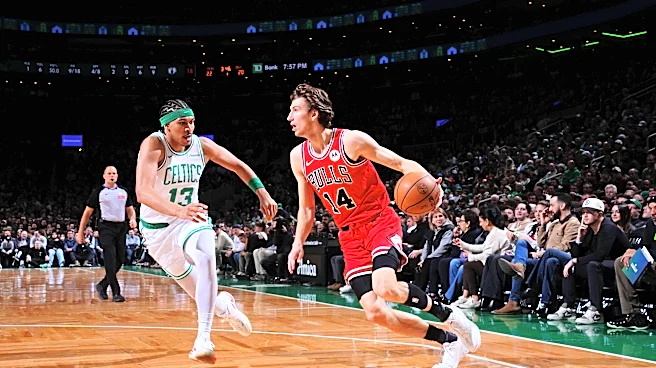
Following this contentious victory, the Boston Celtics will likely review the game's final sequences to refine their late-game strategies and execution. Mazzulla's comments suggest a continued commitment to data-driven decision-making, but the team will need to address the practical implications of such strategies, especially concerning player awareness and free-throw performance. The Celtics are scheduled to play against the Bulls and the Houston Rockets in upcoming games, providing immediate opportunities to apply lessons learned. The team will also need to ensure that players understand their roles and responsibilities in critical situations to avoid similar 'boneheaded' plays, as described in the source. The focus will be on improving overall execution and minimizing unforced errors to prevent future games from becoming unnecessarily complicated.
Beyond the Headlines
The game's dramatic conclusion and Mazzulla's post-game remarks offer a glimpse into the psychological and strategic pressures faced by NBA coaches and players. The sarcastic tone of Mazzulla's comments regarding Queta's foul suggests a complex dynamic within the team, possibly indicating an attempt to lighten the mood or subtly critique a lapse in judgment. This event also touches upon the broader debate in sports about the role of analytics versus instinct in coaching. While data can inform decisions, the unpredictable nature of live sports often requires quick, intuitive responses from players. The 'ridiculous sequence of events' leading to Tatum's game-winner underscores the idea that sometimes, success can emerge from a series of mistakes, highlighting the chaotic beauty of competitive sports. It also raises questions about accountability and how coaches manage player errors in high-pressure environments.