







What's Happening?
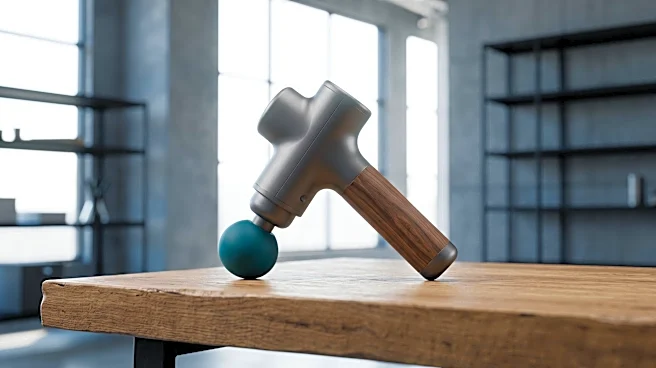
ReGen Medical Network has launched RCT Industrial, a new first aid and recovery device designed to address musculoskeletal discomfort among industrial workers before it escalates into more serious injuries. According to Michael Gordon, Ph.D., CEO of ReGen Medical Network,
the device provides a way for workers to manage everyday muscle soreness and fatigue the moment it appears. RCT Industrial is a Food and Drug Administration Class I therapeutic massager, engineered for durability and self-administered use in industrial and material-handling environments. It delivers focused, mechanical soft-tissue stimulation, similar to percussion massagers, but is specifically designed for the shop floor. The device is intended to be used during normal breaks, requiring no clinician and taking only three to six minutes per session. It also incorporates a built-in safety screening protocol to flag signs of more severe issues, ensuring that it acts as a first line of comfort for minor discomfort rather than a substitute for medical care.
Why It's Important?
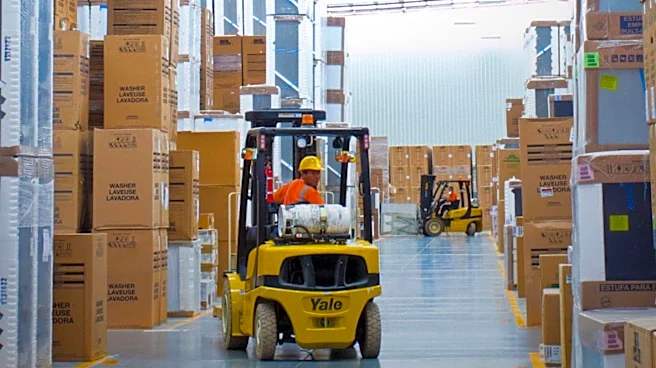
Musculoskeletal discomfort is a significant contributor to lost productivity in industrial settings, affecting employees who perform repetitive physical tasks such as lifting and carrying. This discomfort often precedes recordable injuries, leading to missed shifts and workers' compensation claims. Traditionally, employers have had limited options: either send the employee home to endure the discomfort or send them to a clinic for care that may not yet be necessary. Neither option is optimal for the worker or the business. RCT Industrial offers a proactive solution, allowing safety and risk teams to intervene early and support recovery, potentially preventing minor discomfort from escalating into a major problem. This can lead to reduced absenteeism, lower workers' compensation costs, and improved overall employee well-being and productivity in sectors like material handling, manufacturing, warehousing, and logistics.
What's Next?
Employers in industrial sectors, particularly those with repetitive physical tasks, are expected to evaluate and potentially integrate RCT Industrial into their existing safety and wellness programs. The device's low-cost and easy-to-deploy nature makes it an attractive addition for self-insured employers and their broker partners looking to enhance proactive support for their workforce. ReGen Medical Network emphasizes a conservative and transparent approach, marketing RCT Industrial strictly as a first aid and recovery tool. Future developments may include broader adoption across various industrial settings as companies seek to improve worker health and reduce injury-related costs. The focus will likely remain on educating employers about the benefits of early intervention for musculoskeletal discomfort and the device's role in preventing more serious workplace injuries.
Beyond the Headlines
The introduction of RCT Industrial highlights a growing trend in workplace safety and wellness: a shift towards proactive, preventative measures rather than solely reactive responses to injuries. This approach acknowledges the economic and human costs associated with musculoskeletal disorders, which are among the most common and preventable drivers of lost productivity. By empowering workers to self-administer relief for minor discomfort, the device could foster a culture of self-care and early intervention, potentially reducing the stigma associated with reporting minor aches and pains. This could also lead to a re-evaluation of traditional first aid protocols in industrial environments, emphasizing immediate, accessible relief to maintain worker health and operational efficiency. The ethical implication is providing accessible care without replacing professional medical evaluation when truly needed, a balance ReGen Medical aims to maintain with its built-in safety protocols.