







What's Happening?
Tippecanoe County commissioners are scheduled to hold final votes on proposed zoning restrictions for large-scale data centers on Monday afternoon. Following this, the Lafayette and West Lafayette city councils will also discuss and vote on these four
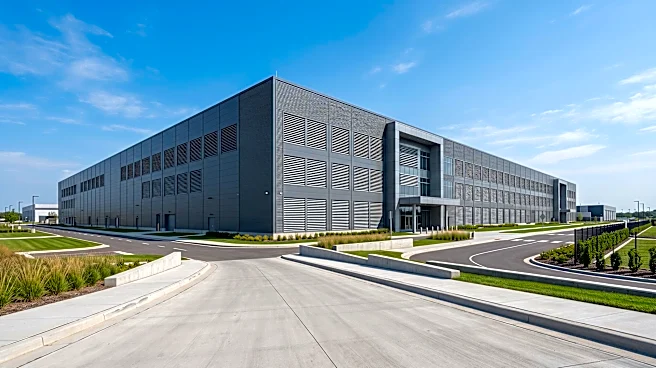
pages of regulations during their monthly meetings on Monday evening. These proposed restrictions are designed to be a near-ban on hyperscale data centers within Tippecanoe County. The regulations target massive warehouse-style server farms that support artificial intelligence, streaming services, and cloud computing. The initiative to regulate these data centers began in 2025 when county commissioners implemented temporary zoning regulations with a one-year expiration.
Why It's Important?
The impending votes on data center zoning regulations in Tippecanoe County are significant for local economic development and land use policy. Hyperscale data centers, while bringing potential technological infrastructure, also demand substantial resources, particularly electricity and land, and can have significant environmental impacts. The proposed restrictions reflect a local government's effort to control the type and scale of industrial development within its jurisdiction, potentially prioritizing other forms of economic growth or preserving community character. This decision could influence how other counties and cities in the U.S. approach the regulation of large-scale tech infrastructure, balancing the benefits of technological advancement with local community needs and environmental concerns.
What's Next?
The final votes by the Tippecanoe County commissioners and the Lafayette and West Lafayette city councils will determine the future landscape for hyperscale data center development in the region. If approved, these restrictions could effectively deter large data center operators from establishing facilities in Tippecanoe County, potentially redirecting such investments to other areas with more permissive zoning laws. Conversely, the regulations could encourage the development of smaller, more specialized data centers or other tech-related businesses that align better with the community's vision. The outcome will also set a precedent for how local governments manage the growth of energy-intensive industries.
Beyond the Headlines
The debate over hyperscale data center zoning in Tippecanoe County highlights a growing tension between rapid technological expansion and local governance. As artificial intelligence and cloud computing continue to grow, the demand for massive data infrastructure will intensify, placing pressure on communities to accommodate these facilities. This situation raises questions about energy consumption, environmental sustainability, and the long-term economic and social impacts of such developments. The decision in Tippecanoe County could reflect a broader trend where communities are becoming more assertive in shaping their industrial future, moving beyond simply attracting investment to carefully curating the types of industries they welcome.