
What's Happening?
The 'quiet luxury' trend is gaining prominence, shifting consumer focus from overt displays of wealth to understated elegance and refined aesthetics across various sectors, including fashion, interiors, and lifestyle. This movement emphasizes subtlety,
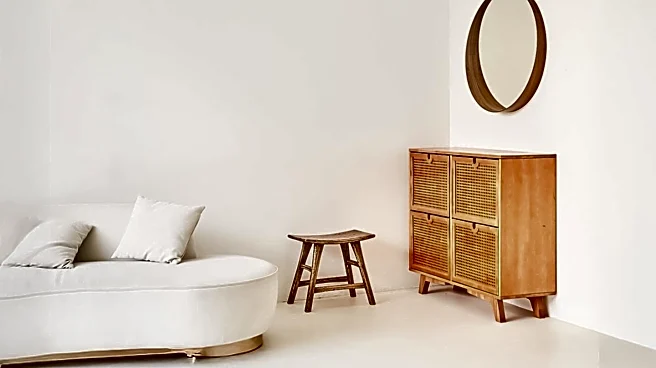
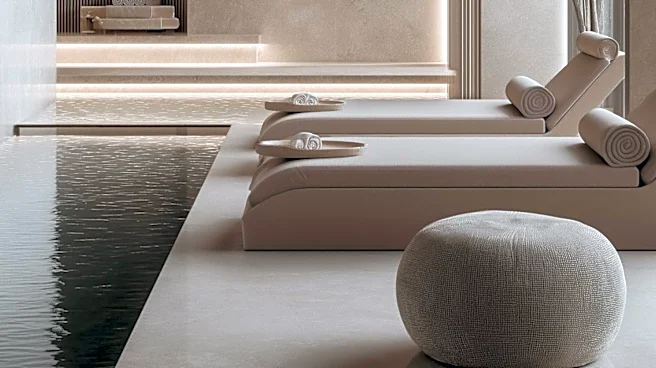
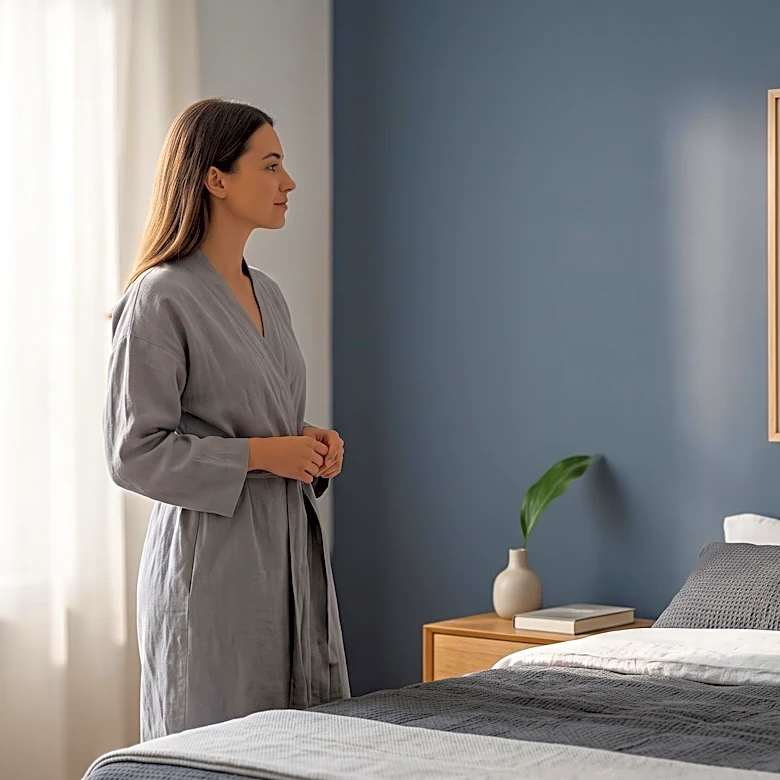
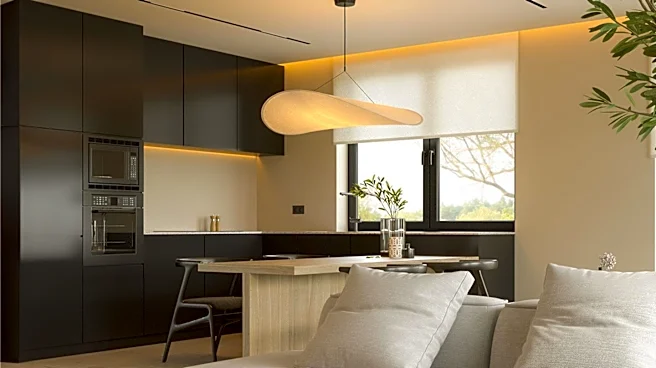
quality, and thoughtful design over flashy or ostentatious elements. In interior design, particularly in bedrooms, this translates to calmer, more intentional spaces characterized by neutral and muted color palettes, natural materials, clean layouts, and soft, layered lighting. The trend prioritizes how a space feels to live in, with a significant emphasis on high-quality, well-engineered products that offer lasting comfort and support, rather than just initial visual appeal. For instance, in the context of mattresses, the focus is moving beyond mere softness to a balance of comfort and structural integrity, with advanced spring systems providing responsive support and improved airflow.
Why It's Important?
This shift towards quiet luxury has significant implications for U.S. industries, particularly in retail, home furnishings, and luxury goods. Businesses that adapt to this trend by offering products and services that embody restraint, quality, and thoughtful design are likely to gain market share. Consumers are increasingly valuing durability, comfort, and a sense of calm in their purchases, which could lead to a re-evaluation of marketing strategies that previously relied on overt branding and flashy aesthetics. Manufacturers and designers in the U.S. will need to innovate in material science, ergonomic design, and sustainable practices to meet the demand for products that are both luxurious and understated. This trend also reflects a broader societal move towards conscious consumption and a desire for authenticity, impacting how brands communicate value and how consumers perceive luxury.
What's Next?
As the quiet luxury trend continues to evolve, U.S. businesses can expect to see increased demand for bespoke and customizable products that align with this aesthetic. There will likely be a greater emphasis on craftsmanship, the origin of materials, and the long-term value of goods. Retailers may reconfigure their showrooms to reflect a more minimalist and serene environment, focusing on the sensory experience of products rather than just their visual appeal. Furthermore, the hospitality sector might integrate more elements of quiet luxury into hotel designs, influencing residential interior trends. Consumers will continue to seek out brands that offer performance without attention-seeking design, pushing companies to innovate in areas like material breathability and ergonomic support, especially in products like mattresses and furniture.
Beyond the Headlines
The quiet luxury trend extends beyond mere aesthetics, touching upon deeper cultural and psychological shifts. It suggests a growing fatigue with consumerism driven by status symbols and a desire for a more meaningful connection with personal spaces and possessions. This movement could foster a greater appreciation for craftsmanship, sustainability, and the intrinsic value of products, potentially leading to a reduction in fast fashion and disposable goods. Ethically, it encourages businesses to invest in quality and longevity, promoting a more responsible approach to production and consumption. Culturally, it signifies a move towards a more refined and discerning taste, where true luxury is defined by comfort, quality, and a sense of well-being, rather than by brand visibility or price tag. This could reshape consumer expectations and redefine what it means to live luxuriously in the long term.