



What's Happening?
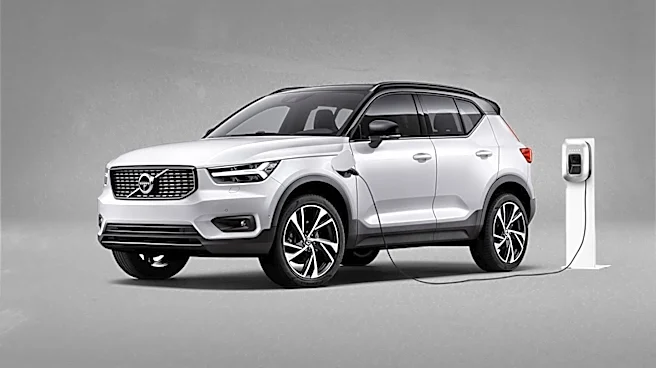
Volvo has announced the discontinuation of its EX40 electric model, along with its coupe variant EC40, from the United States market. American dealers will sell only the remaining stock of these vehicles until mid-2027. Following this period, the EX60
is slated to become Volvo’s de facto entry-level electric vehicle in the U.S. The company's decision stems from the EX40 being deemed 'too old, too expensive, and too compromised to compete' in the evolving U.S. EV market. This move comes shortly after Volvo revealed a facelift for the EX40, its oldest electric model, which includes updated styling, increased power, and a standard heat pump. Production of the updated EX40 is set to begin in November, with initial deliveries expected by the end of 2026, though these will not be for the U.S. market. The EX40, originally launched in 2019 as the XC40 Recharge, was one of the first mass-market electric SUVs from a European premium brand.
Why It's Important?
This strategic shift by Volvo has significant implications for the U.S. electric vehicle market and Volvo's competitive positioning. By withdrawing the EX40, Volvo is signaling a move towards newer, potentially more competitive EV models that align better with market demands for advanced technology and value. The EX40's perceived shortcomings in terms of age, cost, and overall compromise highlight the intense competition within the U.S. EV sector, where consumers increasingly expect cutting-edge features and performance at competitive prices. This decision could impact Volvo's market share in the entry-level EV segment until the EX60 is fully established. For consumers, it means a reduced choice in Volvo's current EV lineup but also the promise of a more modern and competitive entry-level option in the near future. The move also reflects broader industry trends where manufacturers are constantly refining their EV offerings to stay relevant and attractive in a rapidly evolving market.
What's Next?
Following the discontinuation of the EX40 and EC40 in the U.S., American dealers will continue to sell existing inventory until mid-2027. After this period, the EX60 will assume the role of Volvo's entry-level EV in the United States. Volvo is expected to provide further details on its future product allocations and business direction at an upcoming live event in Stockholm, which may shed more light on the company's plans for the U.S. market and the introduction of new models. The rumored EX50, expected to replace the EX40 globally, is anticipated to arrive in late 2027, but its availability in the U.S. market following the EX40's withdrawal remains to be seen. The company's focus will likely shift towards promoting the EX60 and other newer electric models to maintain and grow its presence in the competitive U.S. electric vehicle landscape.
Beyond the Headlines
Volvo's decision to pull the EX40 from the U.S. market underscores the rapid pace of innovation and competition in the global electric vehicle industry. It highlights a critical challenge for automakers: how to manage product lifecycles in a segment where technological advancements and consumer expectations evolve at an accelerated rate. The 'too old, too expensive, and too compromised' assessment of a model launched just a few years ago suggests that even relatively new EVs can quickly become outdated. This trend could lead to shorter product cycles for electric vehicles compared to traditional internal combustion engine cars, forcing manufacturers to invest more heavily and frequently in R&D and production updates. It also raises questions about the long-term value retention of early EV models and the potential for rapid depreciation as newer, more efficient, and feature-rich alternatives enter the market. This dynamic will likely influence consumer purchasing decisions and leasing strategies in the coming years.