








What's Happening?
Contemporary Amperex Technology Co. Ltd. (CATL), the world's largest battery manufacturer, has acquired a 20% stake in CarbonScape, a New Zealand-based developer of graphite materials. This strategic investment aims to enhance the production of biographite,
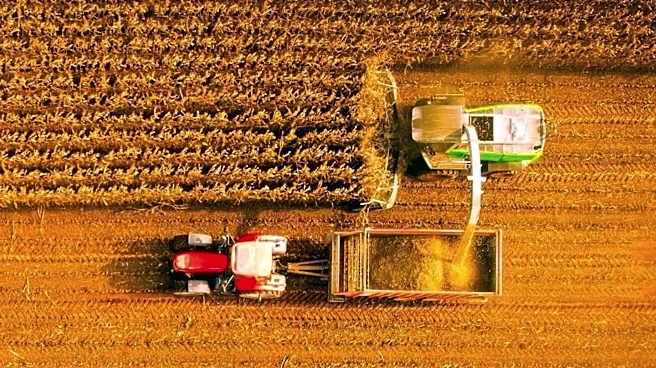
a sustainable alternative to traditional graphite used in lithium-ion batteries. CarbonScape's technology utilizes forestry by-products to produce battery-grade graphite, offering a low-carbon and cost-effective solution. The partnership will leverage CATL's expertise in scaling production and its global market reach to bring commercial biographite production online by the end of the decade. This move aligns with the growing demand from automakers and policymakers for locally sourced, sustainable anode materials in the United States and Europe.
Why It's Important?
The acquisition is significant as it addresses the increasing need for sustainable and locally sourced materials in the battery industry, particularly in the U.S. and European markets. With over 75% of battery-grade graphite currently derived from oil-based feedstock, CarbonScape's biographite offers a greener alternative that could reduce the carbon footprint of battery production. This development is crucial for the automotive industry, which is under pressure to meet environmental regulations and consumer demand for eco-friendly vehicles. By securing a stake in CarbonScape, CATL positions itself as a leader in sustainable battery technology, potentially influencing industry standards and supply chain practices.
What's Next?
The partnership between CATL and CarbonScape is expected to accelerate the commercialization of biographite, with plans to scale production to gigafactory levels. This could lead to increased investment in biographite technology and infrastructure, potentially attracting more stakeholders in the battery and automotive industries. As the demand for electric vehicles continues to rise, the need for sustainable battery materials will likely drive further innovation and collaboration in the sector. Policymakers may also play a role in supporting such initiatives through incentives and regulations that promote sustainable practices.
Beyond the Headlines
The shift towards biographite production highlights a broader trend in the industry towards sustainability and environmental responsibility. This move could set a precedent for other companies to explore alternative materials and processes that reduce environmental impact. Additionally, the partnership may influence regulatory frameworks, encouraging the adoption of greener technologies across various sectors. The long-term implications could include a more resilient and sustainable supply chain for battery materials, contributing to global efforts to combat climate change.